Salted plum
A vibrant, tangy note that captures the essence of Japanese preserved plums. Ume's distinctive salty-sour character brings unexpected brightness to fragrance compositions, evoking sun-dried orchards and artisan preservation traditions.
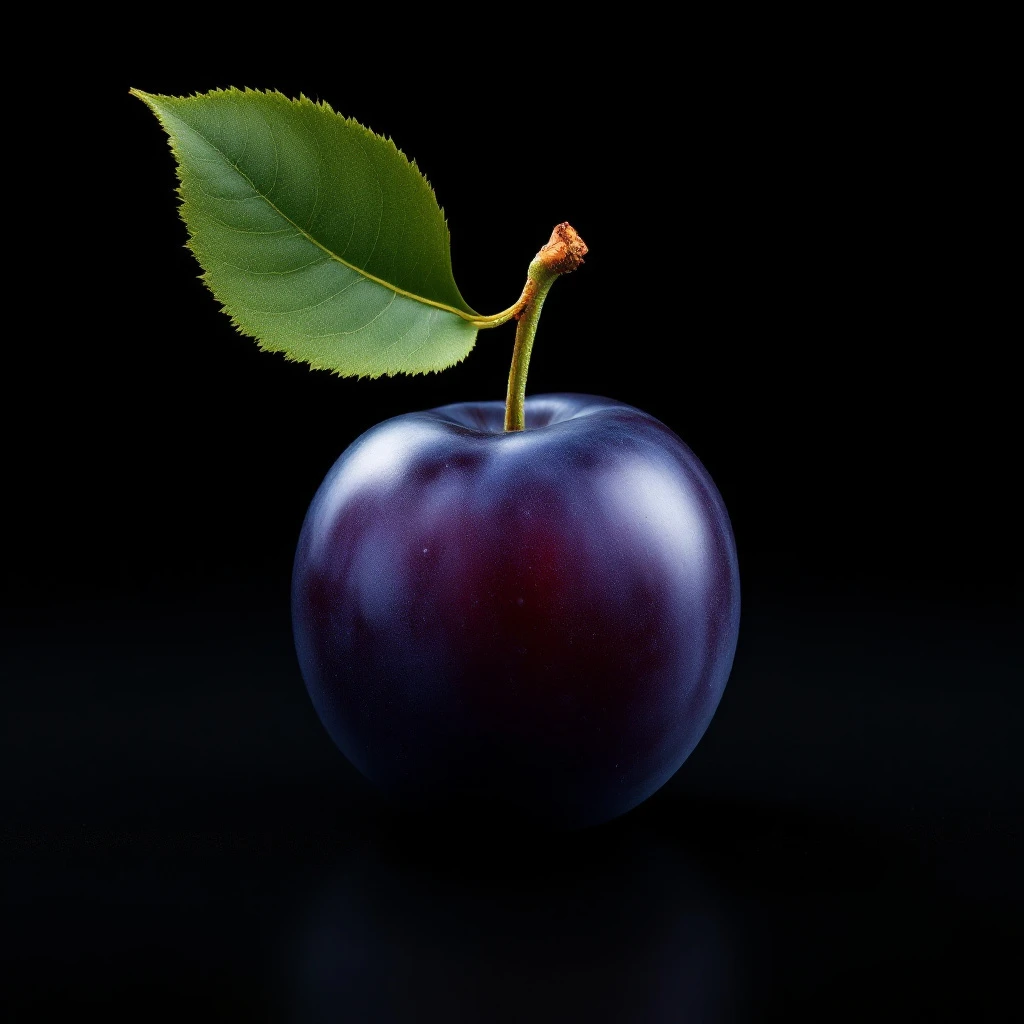
Character
How it smells
Tangy, salty, and alive with umami depth.
Umeboshi, the salted plum, traditionally accompanied Japanese workers' bento boxes as both seasoning and natural energy source.




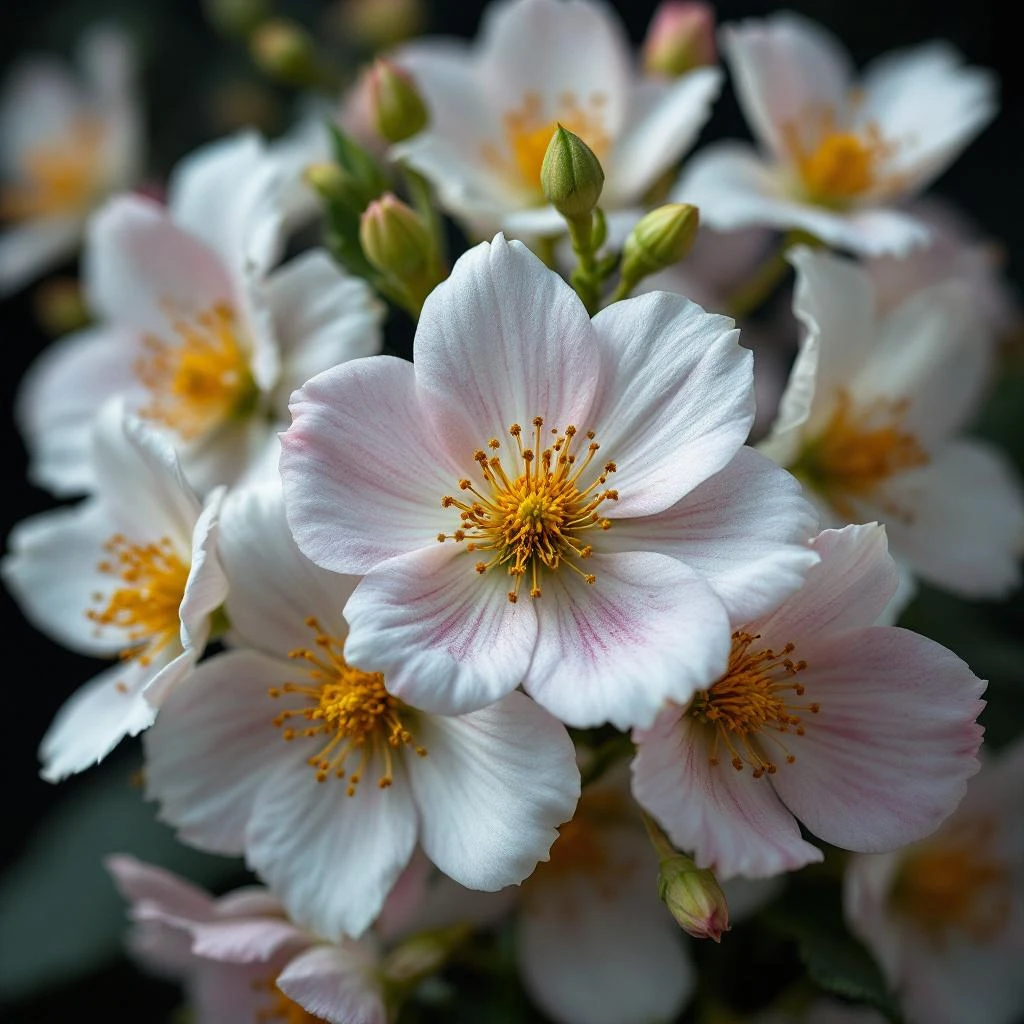


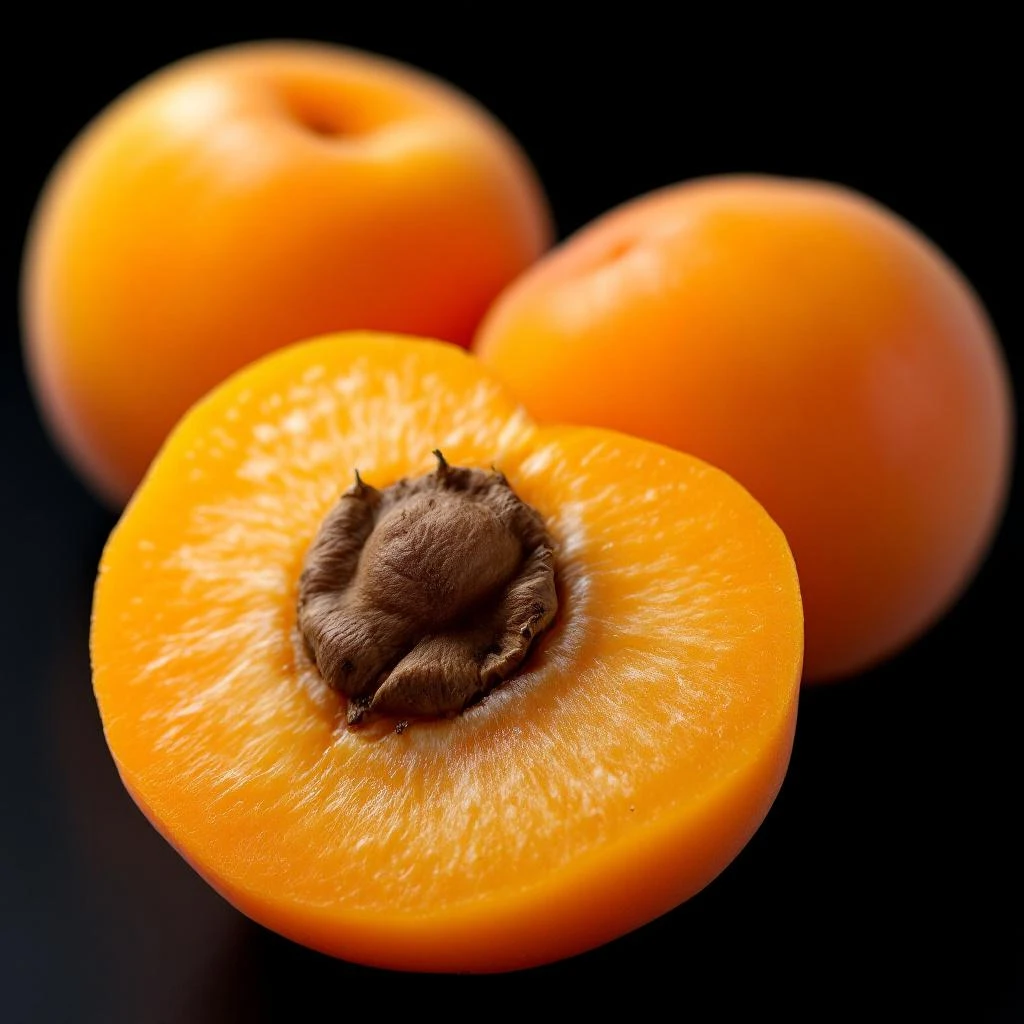
Origin
Japan
The ume plum holds deep roots in East Asian culture, with records of cultivation in China stretching back over 3,000 years before arriving in Japan via Buddhist monks around the 8th century. Japanese farmers began preserving ume with salt sometime in the Muromachi period (1336-1573), creating the umeboshi that became a dietary staple and cultural symbol.
Beyond cuisine, ume appeared in traditional medicine as a digestive aid and hangover cure. The Japanese aesthetic of wabi-sabi found expression in umeboshi's wrinkled beauty and concentrated flavors, representing transformation through time and preservation.
In perfumery, the salted plum note emerged from Western interest in Japanese flavor profiles during the 1990s, when fruity-umami compositions began influencing international fragrance development. Today, ume remains one of the most recognized Japanese flavors globally, appearing in everything from kit kats to high-end fragrances.
Wears it best
Fragrances featuring Salted plum
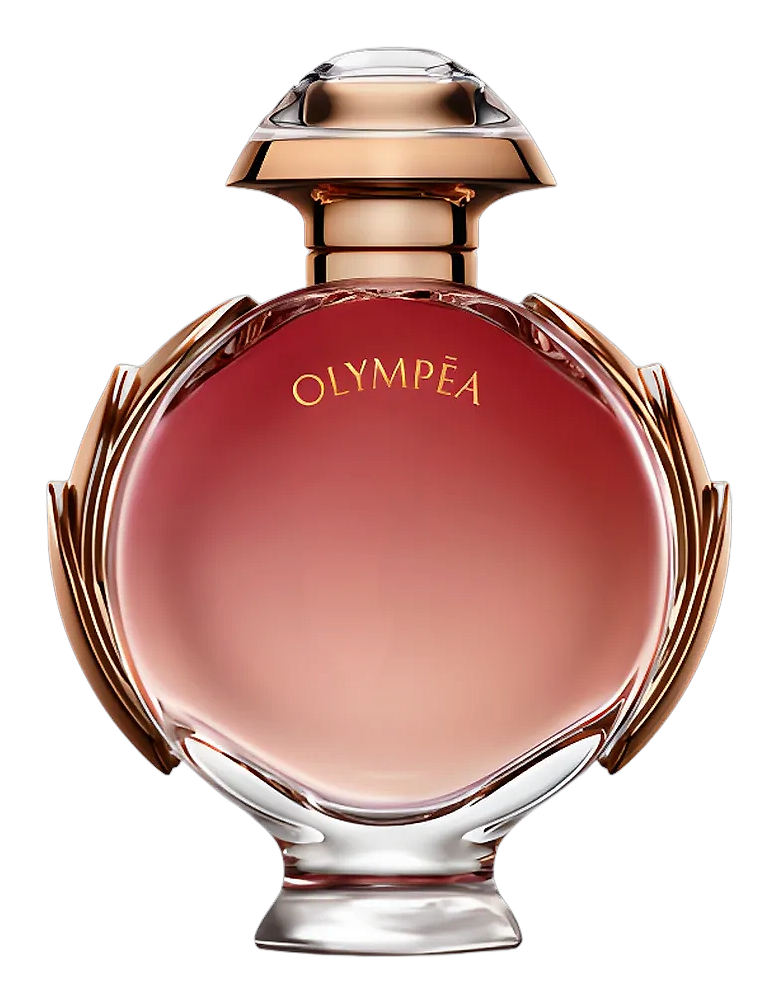
Brands
Brands known for Salted plum
Good to know
Questions, answered
The essentials on Salted plum in perfumery: how it smells, where it comes from, and how it behaves on skin.
Is salted plum a natural or synthetic ingredient in perfumery?
Salted plum note is synthetic. Ume plums cannot be directly extracted for fragrance use due to their high water content and low volatility. Perfumers reconstruct the note using aromatic isolates and lab-created molecules that accurately mimic the tangy, salty character of preserved ume.
What does salted plum smell like?
Salted plum delivers bright acidity balanced with savory depth. The note opens with tangy fruit character, settles into a salty-umami middle, and leaves a clean, slightly sour finish reminiscent of umeboshi pickles. It reads as both refreshing and deeply flavored.
How does salted plum differ from regular plum note?
Salted plum captures the fermented, preserved character of umeboshi rather than fresh plum sweetness. Where standard plum notes emphasize jammy sweetness, salted plum brings sour acidity and brine. Ume plums (Prunus mume) differ botanically from Western plums, contributing a more apricot-like, tangy profile.
Which fragrance families use salted plum?
Perfumers employ salted plum primarily in oriental and fruity-oriental compositions. The note adds brightness to vanilla bases, creates tension against woody undertones, and provides unexpected complexity in gourmand fragrances. It appears most often in women's fragrances seeking East Asian-inspired character.
What emotional associations does salted plum evoke?
The note triggers sensory memories of Japanese cuisine for many wearers. It reads as lively, slightly unexpected, and artisan. The salty-sour profile suggests handcrafted authenticity and preservation expertise, creating warmth through cultural specificity rather than generic sweetness.
What ingredients pair well with salted plum?
Salted plum harmonizes with creamy vanilla, warm sandalwood, and delicate cherry blossom. It also pairs interestingly with incense notes and green tea, reinforcing Japanese aesthetic themes. The salty element creates contrast with sweet praline and caramel accords.
Is salted plum common in perfumery?
Salted plum remains an accent note rather than a main accord. It appears in perhaps 5-10% of premium fragrances, typically those with East Asian inspiration or experimental fruity compositions. Its specificity makes it more of a signature element than a foundational building block.
What cultural significance does ume plum hold?
Ume (Japanese apricot) symbolizes endurance and the arrival of spring in Japanese culture, celebrated during the plum blossom viewing season (umemi). Umeboshi (salted plum) became a samurai provisioning staple due to its preservation qualities and supposed anti-fatigue properties. Both remain embedded in Japanese food culture and traditional medicine.