Character
The Story of Rosa Centifolia
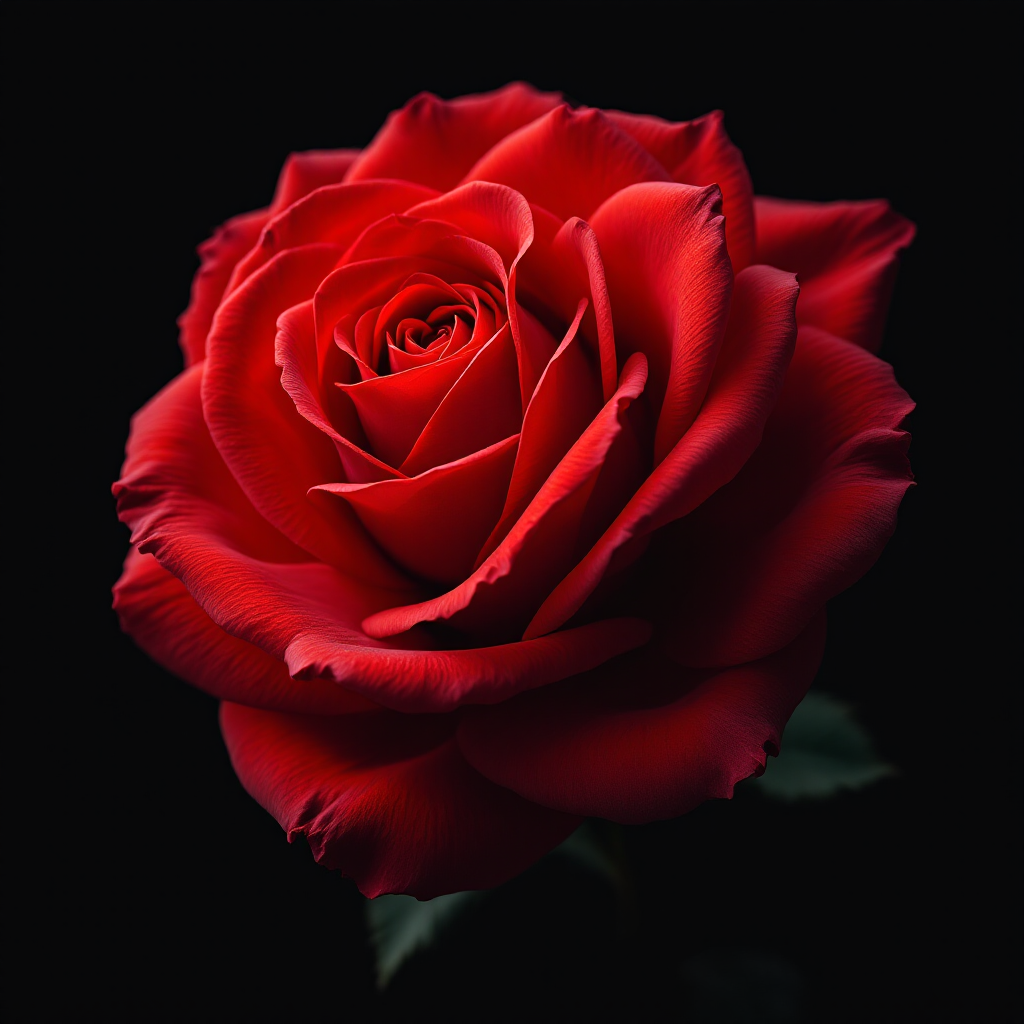
The cabbage rose, celebrated for its densely packed petals and intoxicating scent, has anchored fine perfumery since 17th century Europe. Grown primarily in Grasse, France, Rosa centifolia yields an absolute prized for its honeyed, multifaceted floralcy.
Heritage
Rose cultivation traces to ancient Chinese and Sanskrit texts, with fossil evidence dating roses to 40 million years ago. Rosa centifolia specifically emerged in 17th century Netherlands as a mutation of the Gallica rose, itself native to the Caucasus and Iran. The densely packed petals quickly caught attention for their intense fragrance. By the 1700s, French perfumers in Grasse began cultivating it specifically for fragrance production. The region remains its spiritual home, with local producers supplying major fragrance houses today. Its introduction into perfumery marked a turning point, offering a rounder, more complex rose character than existing varieties. This made it indispensable for the great chypres and floral compositions that defined 20th century perfumery.
At a Glance
8
Feature this note
Floral
Olfactive group
France
Primary source region
Ingredient Details
Solvent extraction
Fresh flowers, petals
Did You Know
"Each bloom boasts over 100 petals, earning Rosa centifolia its cabbage nickname. Just 100 tons are harvested annually in Grasse."
Pyramid Presence