Roasted rice
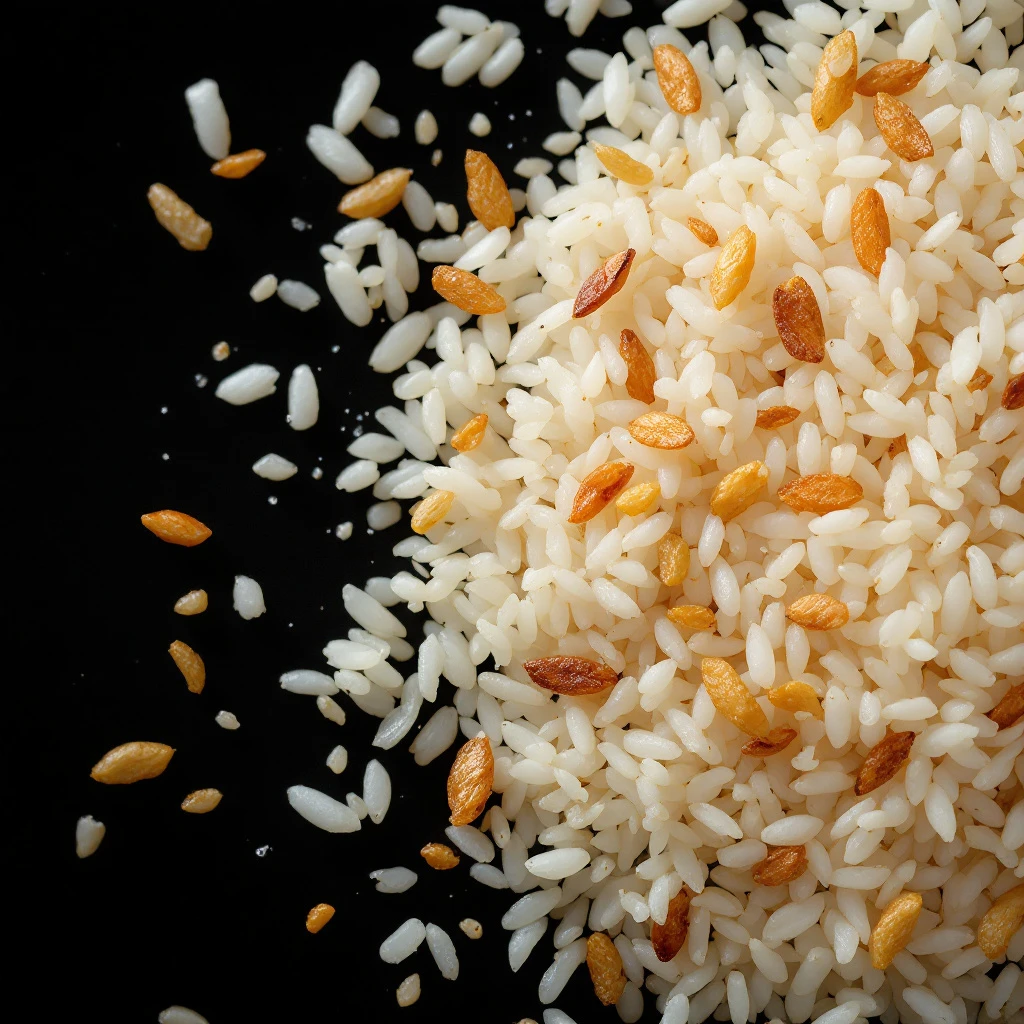
Roasted rice brings warmth and comfort to perfumery with its toasty, nutty aroma. This ingredient captures the golden essence of heat-treated grains, adding a subtle sweetness that grounds fragrances and evokes home.
Character
How it smells
The warm, toasted heart of Asian kitchens, now in your perfume.
The aroma compound 2-acetyl-1-pyrroline, responsible for roasted rice's distinctive smell, also creates the scent of fresh popcorn and fragrant jasmine rice varieties.






Origin
Japan
Rice cultivation shaped perfumery traditions across Asia for millennia. Ancient Chinese texts from the Han dynasty document the use of ceremonial rice in purification rituals, where roasted grains were burned as offerings to create fragrant smoke. Japanese perfumers adopted rice-derived materials during the Edo period, drawing from the country's deep reverence for rice as a sacred grain.
The Japanese practice of roasting rice to create aromatic materials influenced neighboring Korea and Thailand, where similar techniques developed within Buddhist temple traditions. When Western perfumers encountered rice-based materials during trade with Asia in the 17th century, they recognized the ingredient's unique ability to add warmth and comfort to compositions. The industrial extraction of rice aroma compounds became viable in the early 20th century, though natural roasted rice extract remains a specialty material prized for its authenticity.
Today, roasted rice appears in fragrance families ranging from oriental to fresh, valued for its universal warmth and comforting associations across cultures.
Wears it best
Fragrances featuring Roasted rice

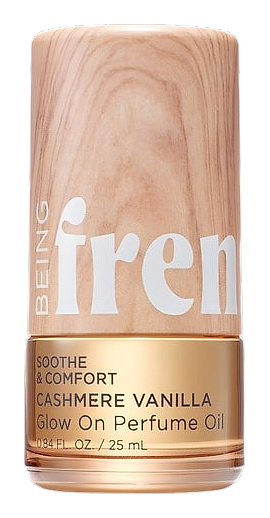
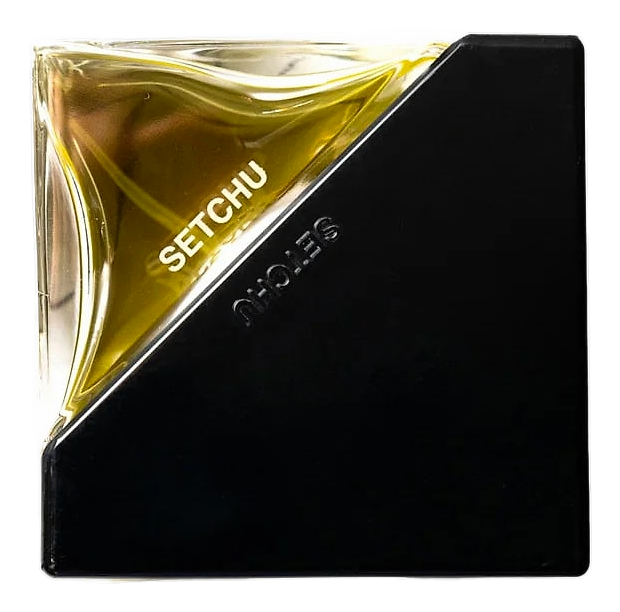
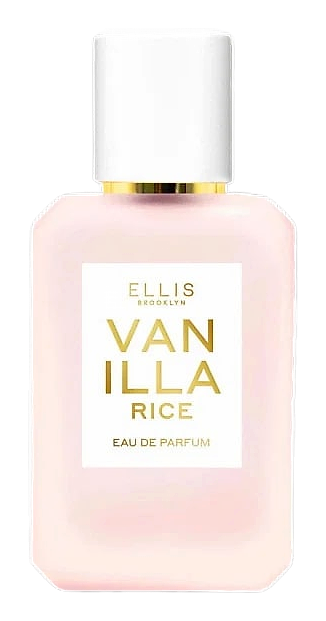
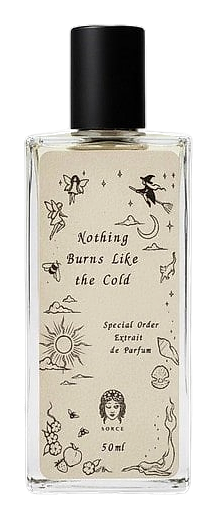


Brands
Brands known for Roasted rice
Good to know
Questions, answered
The essentials on Roasted rice in perfumery: how it smells, where it comes from, and how it behaves on skin.
What does roasted rice smell like?
Roasted rice smells warm, nutty, and slightly sweet with toasted cereal notes. The molecule 2-acetyl-1-pyrroline creates its signature popcorn-like warmth.
Is roasted rice a natural or synthetic ingredient?
Roasted rice is available as both. Natural extraction from roasted grains captures authentic warm, nutty character. The key aroma compound is also produced synthetically for consistent use.
Which fragrance families commonly use roasted rice?
Roasted rice appears frequently in oriental and gourmand fragrances as a base note. It adds warmth to compositions featuring amber, vanilla, sandalwood, and woody accords.
What cultural significance does roasted rice have?
Rice holds ceremonial importance across East and Southeast Asia. Roasted rice developed within Buddhist temple traditions in Japan and Korea, where it served spiritual and aromatic purposes for centuries.
Can I find roasted rice aroma in everyday products?
Yes. Rice fragrance appears in home candles, laundry products, and body care items where it conveys comfort and clean warmth.
How does roasting affect rice's scent profile?
Roasting triggers Maillard reaction chemistry, generating new aroma compounds. The result is deeper, more complex scent compared to raw rice's subtle grain quality.
What notes complement roasted rice in perfumery?
Roasted rice pairs well with vanilla for sweetness, sandalwood for creaminess, amber for richness, and warm spices like cardamom for complexity.
Is roasted rice safe for use in cosmetic products?
Yes. Properly extracted and diluted roasted rice meets safety standards for cosmetic use. As with all fragrance ingredients, appropriate dilution prevents sensitization.