Roasted apricot
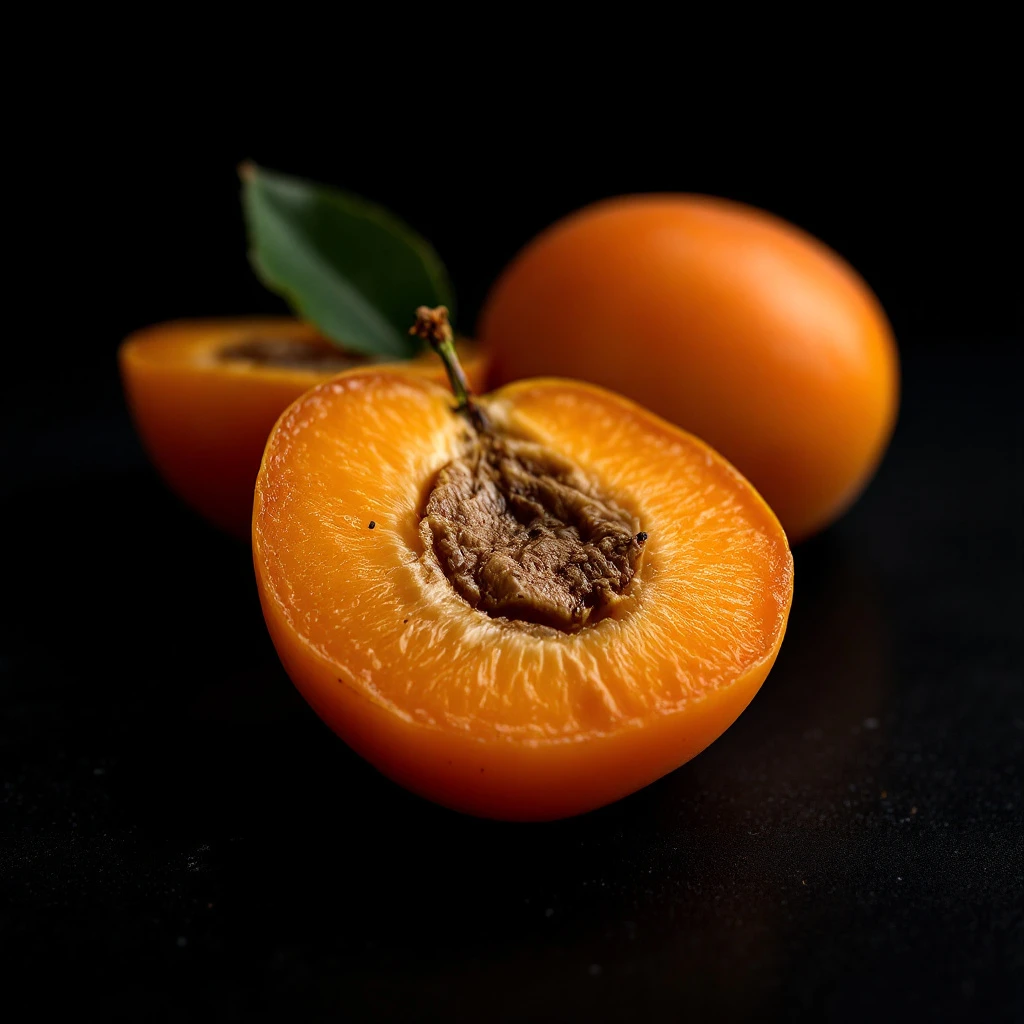
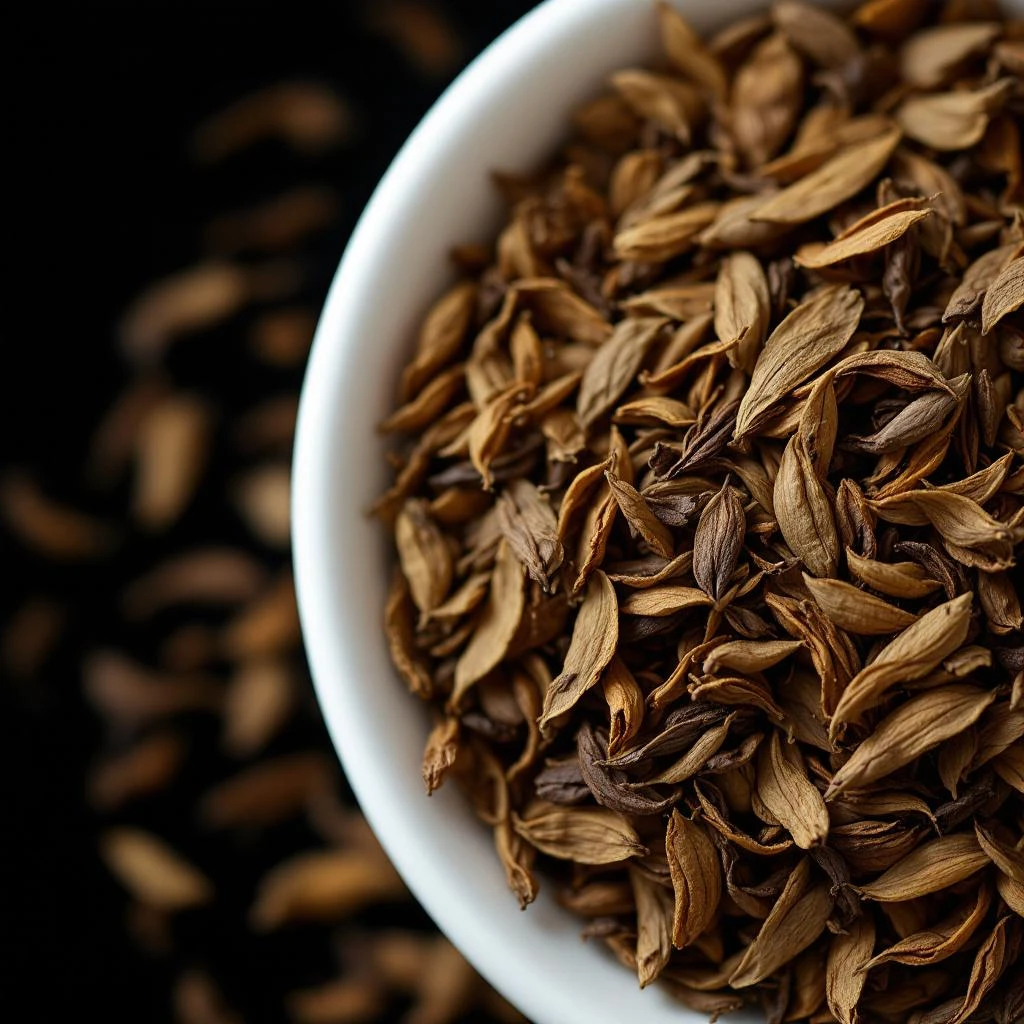
Roasted apricot captures the moment stone fruit meets heat, a jammy warmth that floats between fruit salad and bake shop. Perfumers build this effect from lactones and ketone combinations that create a caramelized stone fruit impression.
Character
How it smells
Summer stone fruit, kissed by heat
A single apricot tree can produce up to 150 pounds of fruit per season, yet no extraction captures the roasted effect naturally.

Origin
Armenia
Apricot has grown wild in Central Asia for thousands of years, with cultivation spreading along trade routes to Persia, the Mediterranean, and eventually across Europe. The 9th-century Arabic physician and chemist Al-Kindi included apricot in his perfume recipes, among the earliest systematic fragrance formulas recorded. His work bridged ancient Egyptian perfumery traditions with emerging scientific methodology.
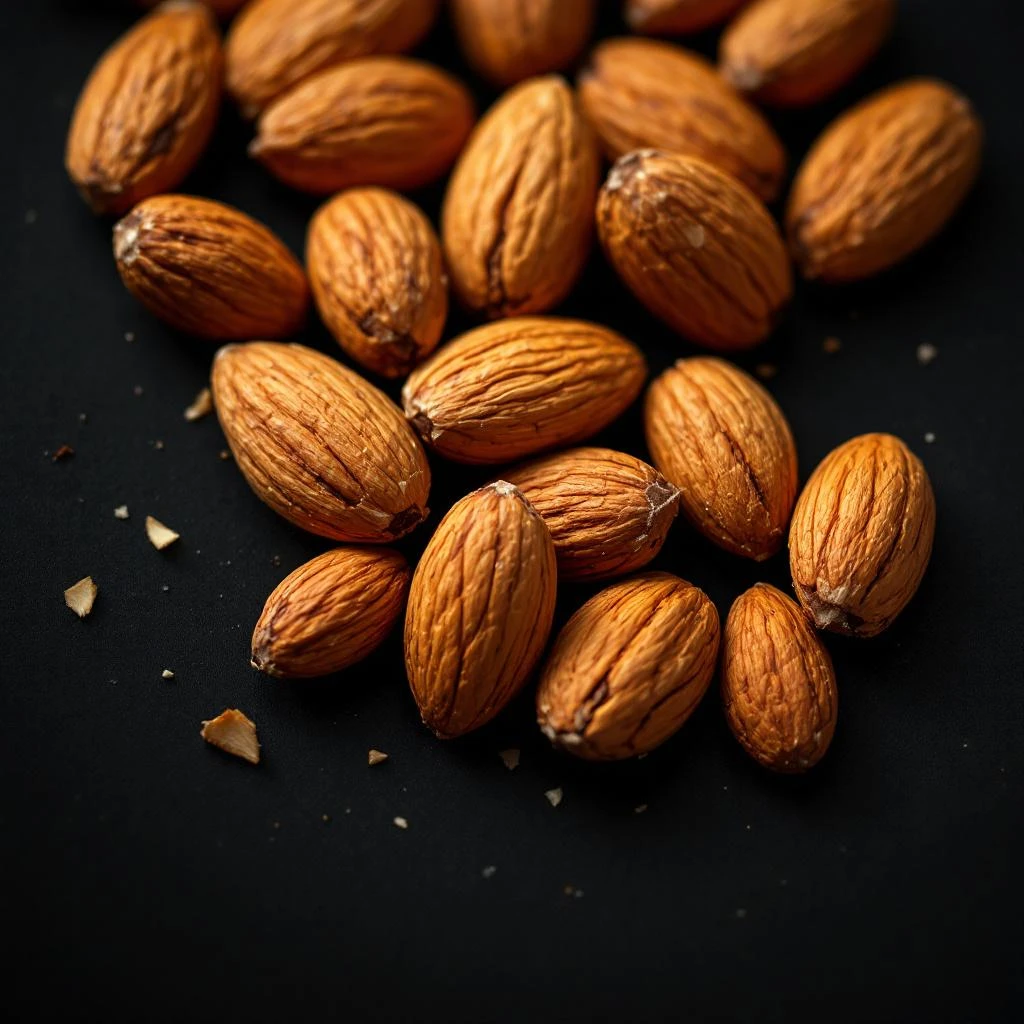
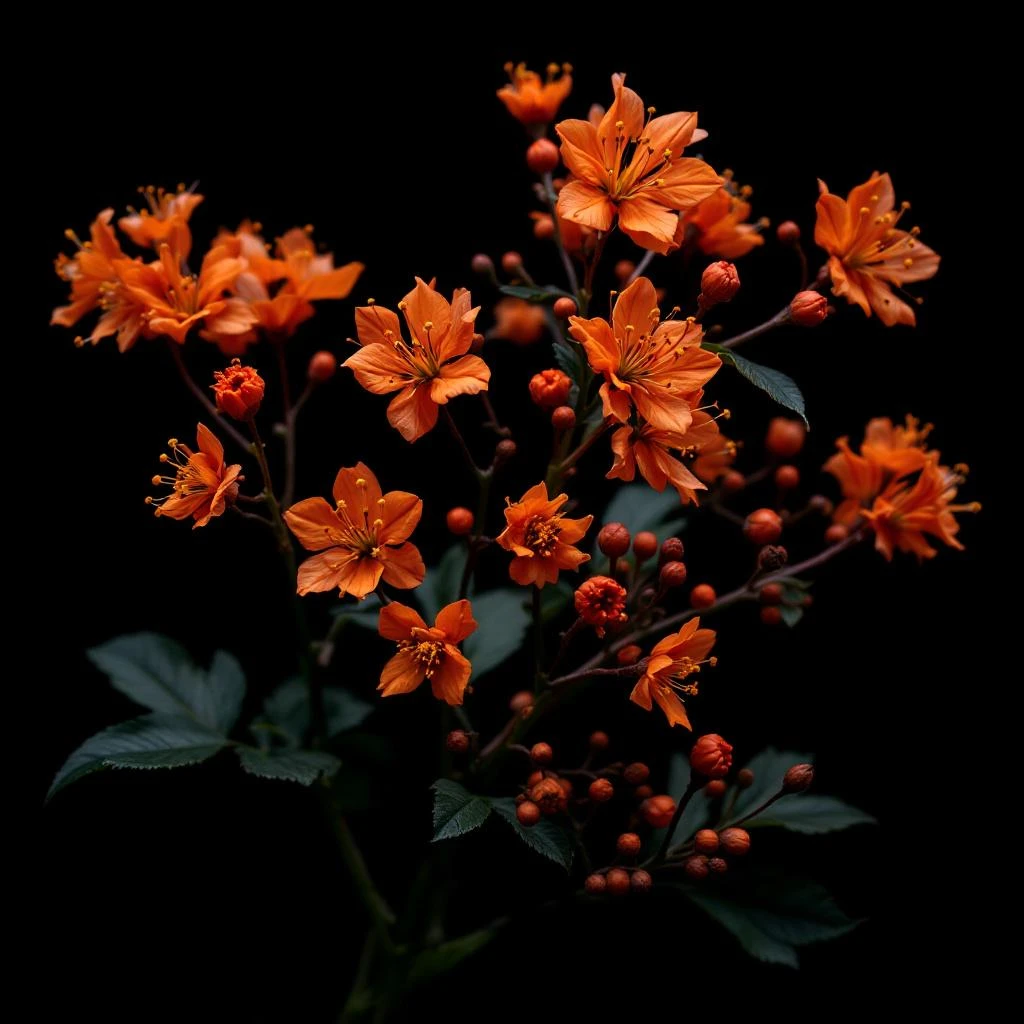
While apricot kernels yields bitter almond-like notes and apricot blossom exists as a synthetic recreation, the fruit itself never entered the perfumer's palette as a natural extract. Modern fragrance chemistry bridges that gap, allowing perfumers to evoke warm, cooked stone fruit notes that would have been impossible using only available natural materials centuries ago.
Wears it best
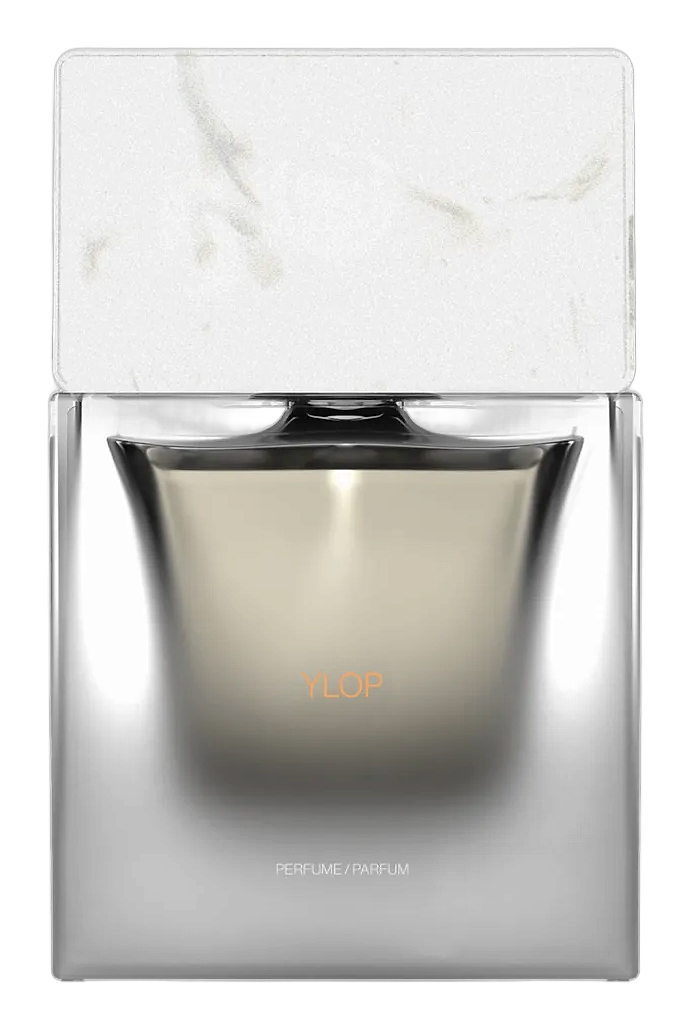
Fragrances featuring Roasted apricot
Brands
Brands known for Roasted apricot
Good to know
Questions, answered
The essentials on Roasted apricot in perfumery: how it smells, where it comes from, and how it behaves on skin.
Is roasted apricot a natural ingredient?
No. Roasted apricot is a synthetic reconstruction because apricot fruit does not yield commercial essential oil or absolute. Perfumers combine aromachemicals like gamma-decalactone and damascenone to create the warm, jammy stone fruit effect.
What does roasted apricot smell like?
Roasted apricot smells like stone fruit warmed by heat, with jammy sweetness balanced by depth. It sits between fresh peach and caramelized plum, with a cooked quality that reads as gourmand rather than fresh fruit.
Where does the apricot fruit originate?
Apricot originated in Central Asia, likely in the mountainous regions of modern Armenia, where wild specimens still grow. Chinese and Persian sources both describe ancient cultivation along the Silk Road trade routes.
Can apricot be extracted for perfumery?
No commercial apricot absolute or oil exists. Apricot kernel oil is used in food and cosmetics, and apricot blossom is recreated synthetically, but the fruit itself offers no viable path for extraction.
What fragrance families use roasted apricot?
Roasted apricot appears in gourmand, oriental, and fruity fragrance families. It adds warmth to peach and plum compositions and rounds sharp aldehydic openings with a绵软 fruit quality.
Does roasted apricot smell like bitter almond?
No. Apricot kernels yield benzaldehyde, which smells like bitter almonds, but roasted apricot as a note refers to the warm, jammy fruit effect, not the kernel's nutty, marzipan-like aroma.
Is roasted apricot used in food flavoring?
Yes. Gamma-decalactone and other apricot-associated aroma chemicals are approved for food use and appear in flavors for beverages, baked goods, and dairy products at regulated concentrations.
Who first documented apricot in perfumery?
Al-Kindi, the 9th-century Arabic physician and chemist, included apricot in his perfume recipes. His work represents one of the earliest systematic attempts to document fragrance formulation.