Palo Verde Tree
Palo Verde, Spanish for 'green stick,' is a desert-dwelling tree with striking chartreuse bark and delicate yellow blossoms. Native to the American Southwest, its flowers emit a subtle, honeyed fragrance rarely captured in perfumery.
Character
How it smells
Desert-born green wood with honeyed blossoms
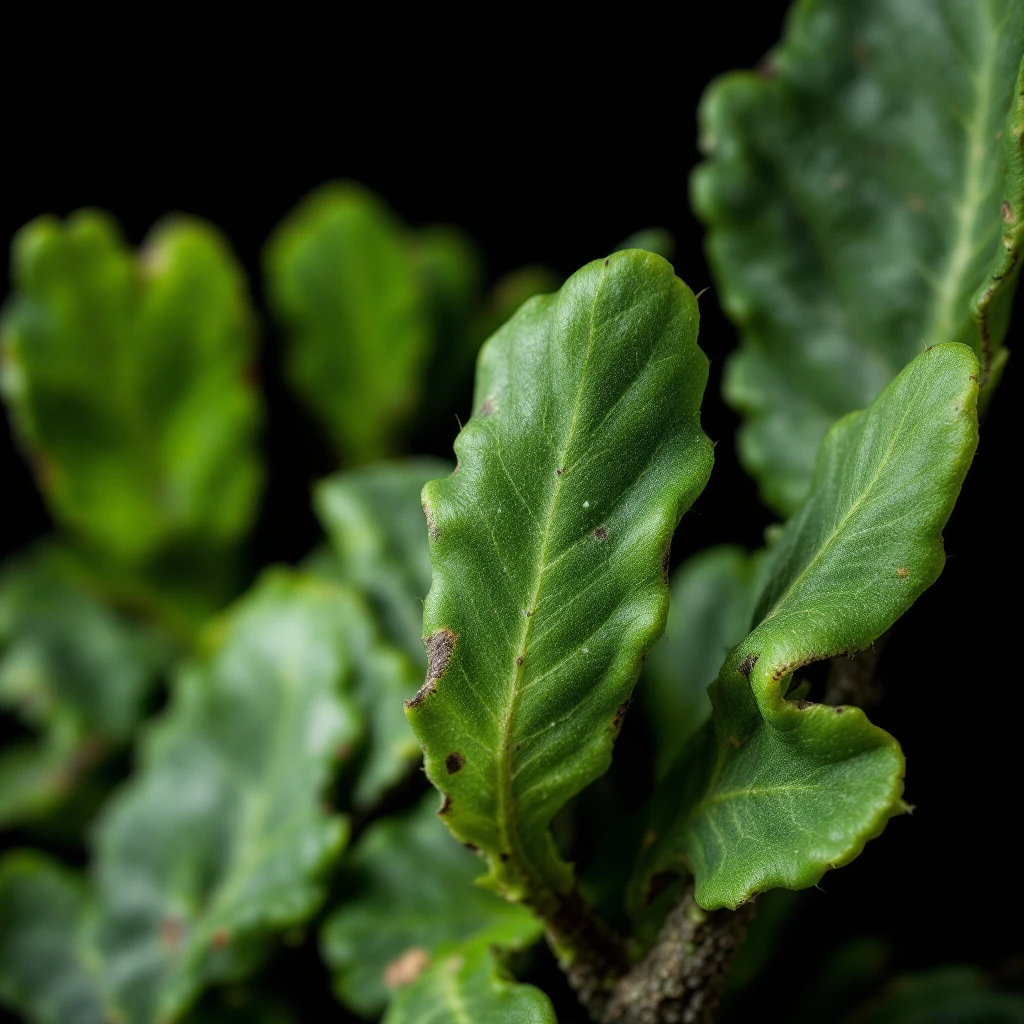
Palo Verde trees can survive extreme desert heat by photosynthesizing through their green bark when leaves drop during drought.
Pairs beautifully with


Origin
United States (Arizona, Southern California)
Palo Verde has long served desert communities across the Sonoran and Mojave regions. Indigenous peoples of what is now Arizona and northern Mexico used the tree's durable wood for tools, fuel, and construction. The tree's name reflects Spanish colonial influence in the region.
While not historically prized for perfumery like sandalwood or agarwood, desert cultures recognized the blossoms' subtle sweetness. Modern perfumers working with desert-inspired or arid-land fragrance concepts have begun exploring Palo Verde's green, slightly honeyed character as a bridge between floral and woody notes.
Wears it best
Fragrances featuring Palo Verde Tree
Brands
Brands known for Palo Verde Tree
Good to know
Questions, answered
The essentials on Palo Verde Tree in perfumery: how it smells, where it comes from, and how it behaves on skin.
What does Palo Verde smell like?
Palo Verde blossoms emit a light, honeyed floral scent with subtle green undertones. The overall impression is fresh and desert-air clean, though not as potent as traditional florals like jasmine or rose.
Is Palo Verde a common perfumery ingredient?
No. Palo Verde remains largely underutilized in commercial perfumery. Its use is limited to independent perfumers working with desert botanicals or those creating niche botanical accords.
Where does Palo Verde grow?
Palo Verde thrives in the Sonoran and Mojave deserts of the American Southwest, particularly Arizona, Southern California, Nevada, and northern Mexico. It prefers elevations below 3,000 feet.
What part of the Palo Verde tree is used in fragrance?
The blossoms are the primary aromatic source. The tree's green bark performs photosynthesis, which is unusual among desert species. The wood is not typically used for distillation.
How is Palo Verde extracted for perfumery?
Blossom extraction uses solvent or CO2 methods to capture the delicate floral notes. Direct steam distillation yields very little material due to the sparse oil content in the flowers.
Is Palo Verde sustainable to harvest?
Palo Verde grows slowly in desert conditions, making wild harvesting impractical for commercial production. Sustainable sourcing requires cultivated stock or synthetic aromatic replication.
What fragrance families pair well with Palo Verde?
Palo Verde works within desert-inspired, green, and aromatic compositions. It pairs naturally with creosote, desert rose, cactus flower, and dry woods like mesquite.
Does Palo Verde have traditional uses beyond perfumery?
Indigenous peoples of the Southwest used Palo Verde wood for tool-making, fuel, and building materials. The tree also provides critical habitat for desert wildlife, including the Palo Verde borer beetle.