Oyster
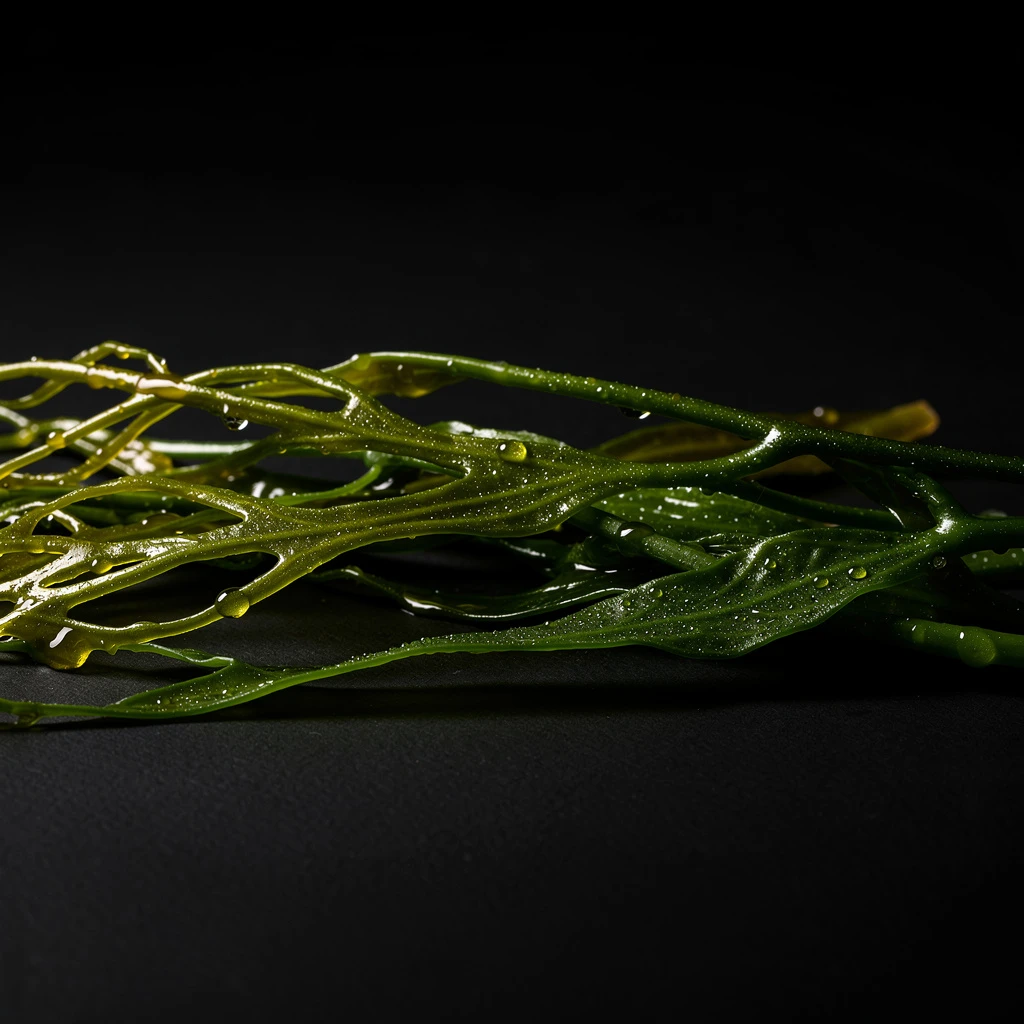
A rare coastal botanical with a mineral, briny character that captures the soul of the ocean shore.
Character
How it smells
The ocean's botanical enigma.
Oyster leaf turns striking blue when its leaves are crushed—a visual mimicry of sea spray meeting sky.
Pairs beautifully with
Origin
Iceland
Oyster leaf grew unnoticed along northern shores for centuries, valued only by coastal communities who recognized its peculiar flavor. Indigenous peoples of Scandinavia and the British Isles foraged the plant, incorporating it into traditional dishes long before perfumers took notice.
The plant's scientific name, Mertensia maritima, reflects its maritime habitat. During the 20th century, botanical expeditions to Iceland and Alaska brought specimens to European attention.
By the 1990s, avant-garde perfumers began experimenting with its unusual profile, marking a shift from purely plant-derived ingredients to marine-sourced aromatics. Today, oyster leaf occupies a rare niche—used sparingly by perfumers seeking authentic coastal character in marine and ozonic compositions.
Wears it best
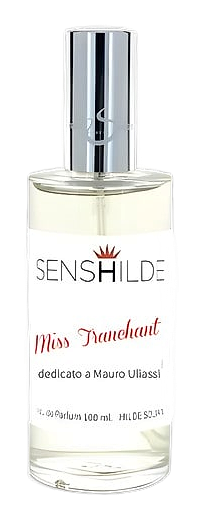
Fragrances featuring Oyster
Brands
Brands known for Oyster
Good to know
Questions, answered
The essentials on Oyster in perfumery: how it smells, where it comes from, and how it behaves on skin.
Is oyster leaf used in natural perfumery?
Yes, but rarely. Wild-harvesting from pristine northern coastlines remains the primary source, making it expensive and difficult to obtain consistently.
What does oyster leaf smell like?
It carries a distinct briny, mineral quality with marine and slightly sweet undertones—evoking wet stone, sea spray, and the clean scent of coastal air.
Is oyster leaf the same as oyster extract?
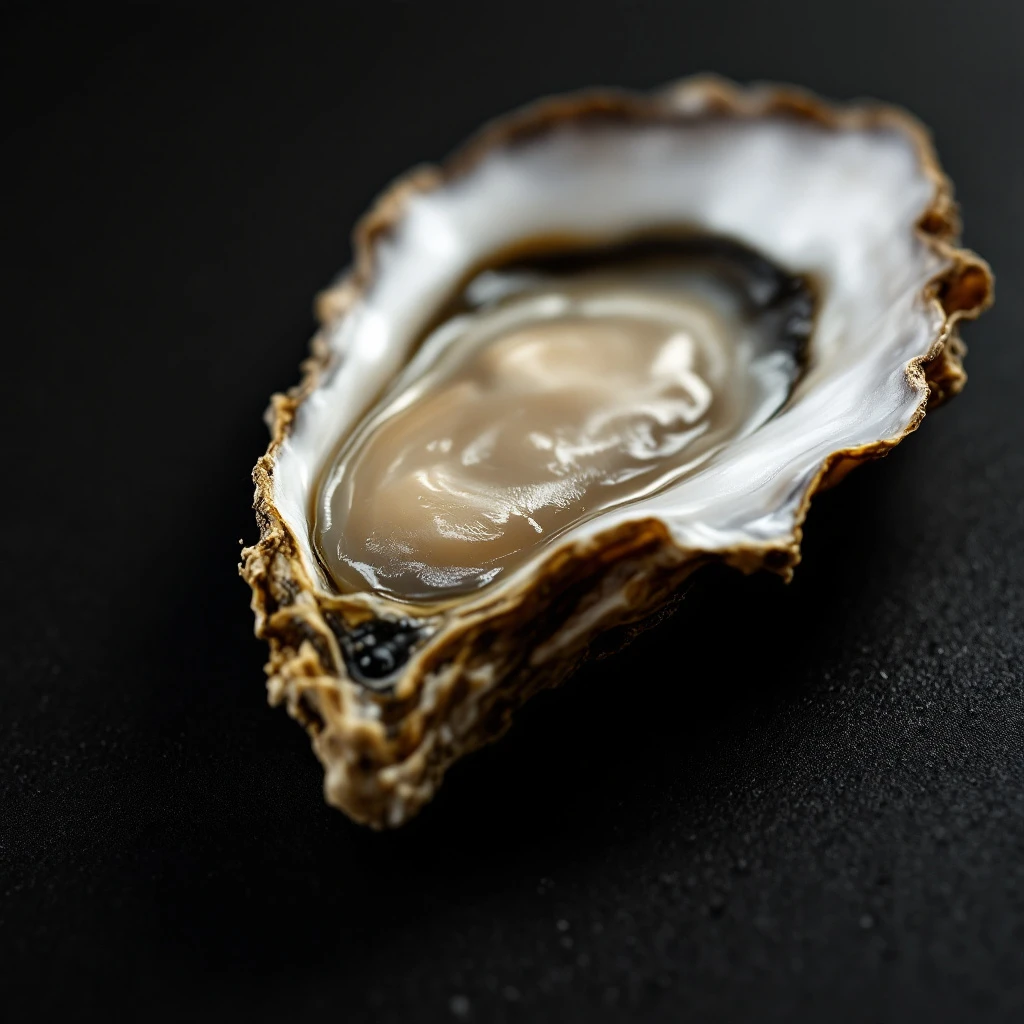
No. Oyster leaf is a botanical (Mertensia maritima) with a natural oyster-like aroma. Oyster extract is animal-derived and rarely used in perfumery.
Where does oyster leaf grow?
It thrives in cold coastal regions—particularly Iceland, Scandinavia, coastal Scotland, Alaska, and Canada's maritime provinces—growing in sandy and rocky shorelines.
Why is oyster leaf so expensive?
The plant grows in remote locations, has a short harvest window, resists cultivation, and yields small quantities per harvest—all driving up costs significantly.
Can synthetic alternatives replicate oyster leaf?
Some marine aroma chemicals approximate its briny profile, but they lack the complexity and natural variation that distinguish the botanical extract.
What fragrances feature oyster leaf?
It appears in niche marine and coastal-themed compositions from houses specializing in unusual natural ingredients, typically listed as a supporting note.
How sustainable is oyster leaf harvesting?
Wild-harvesting regulations exist in several countries, limiting collection to small percentages of visible populations to protect wild stands from depletion.