Character
The Story of Olibanum
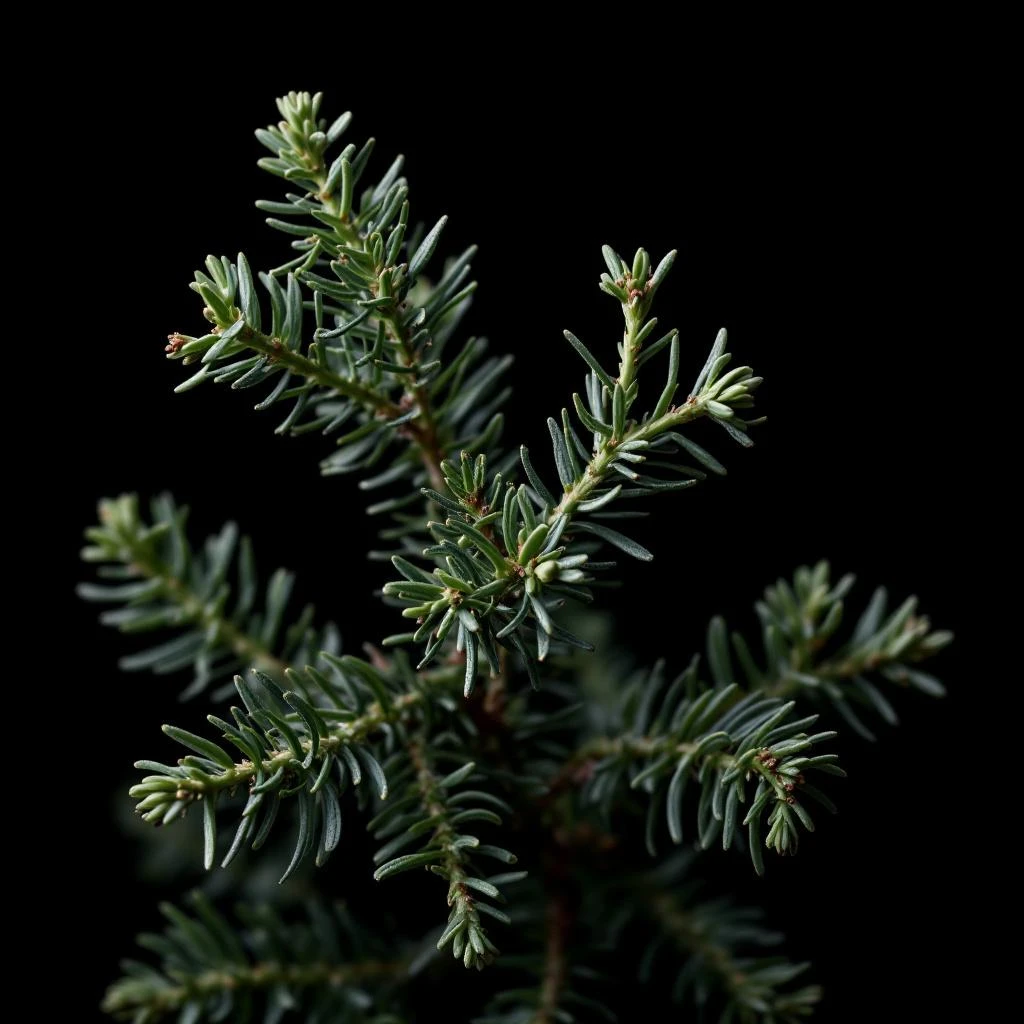
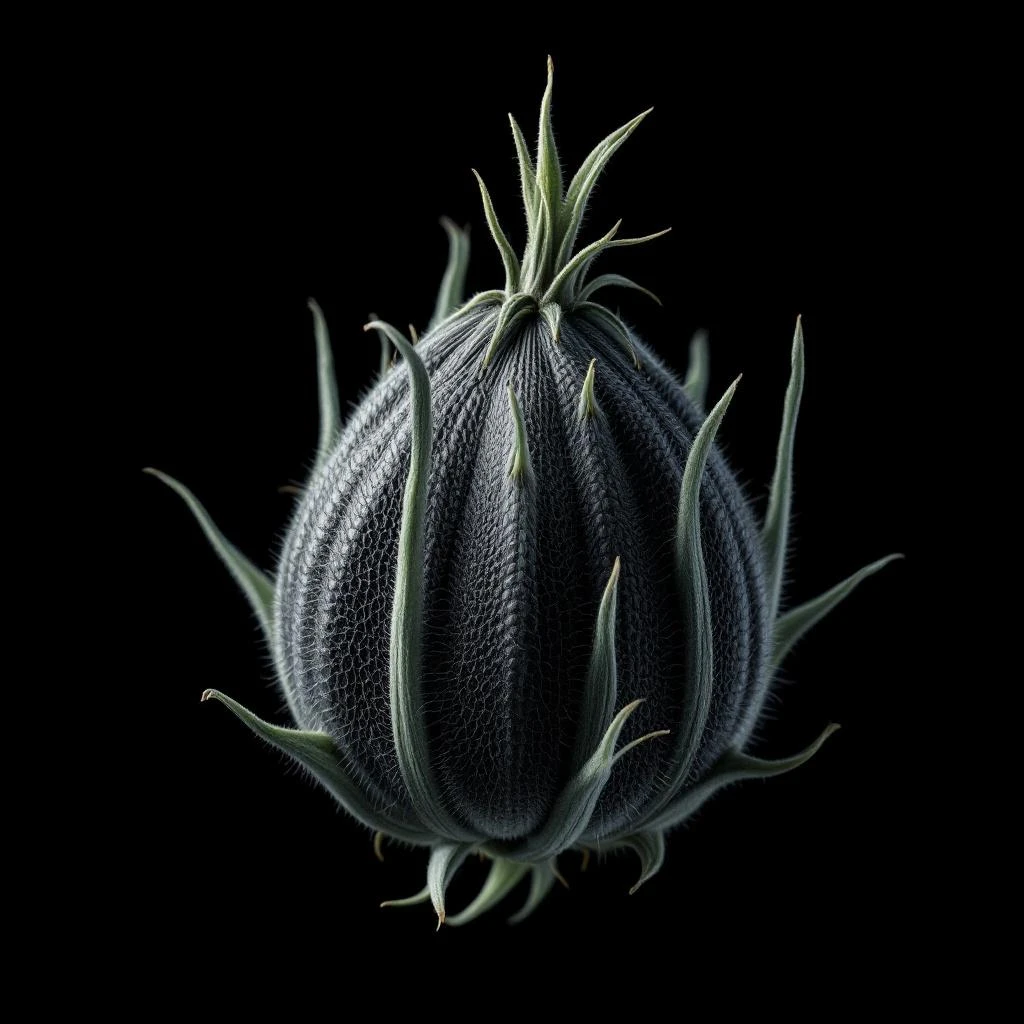
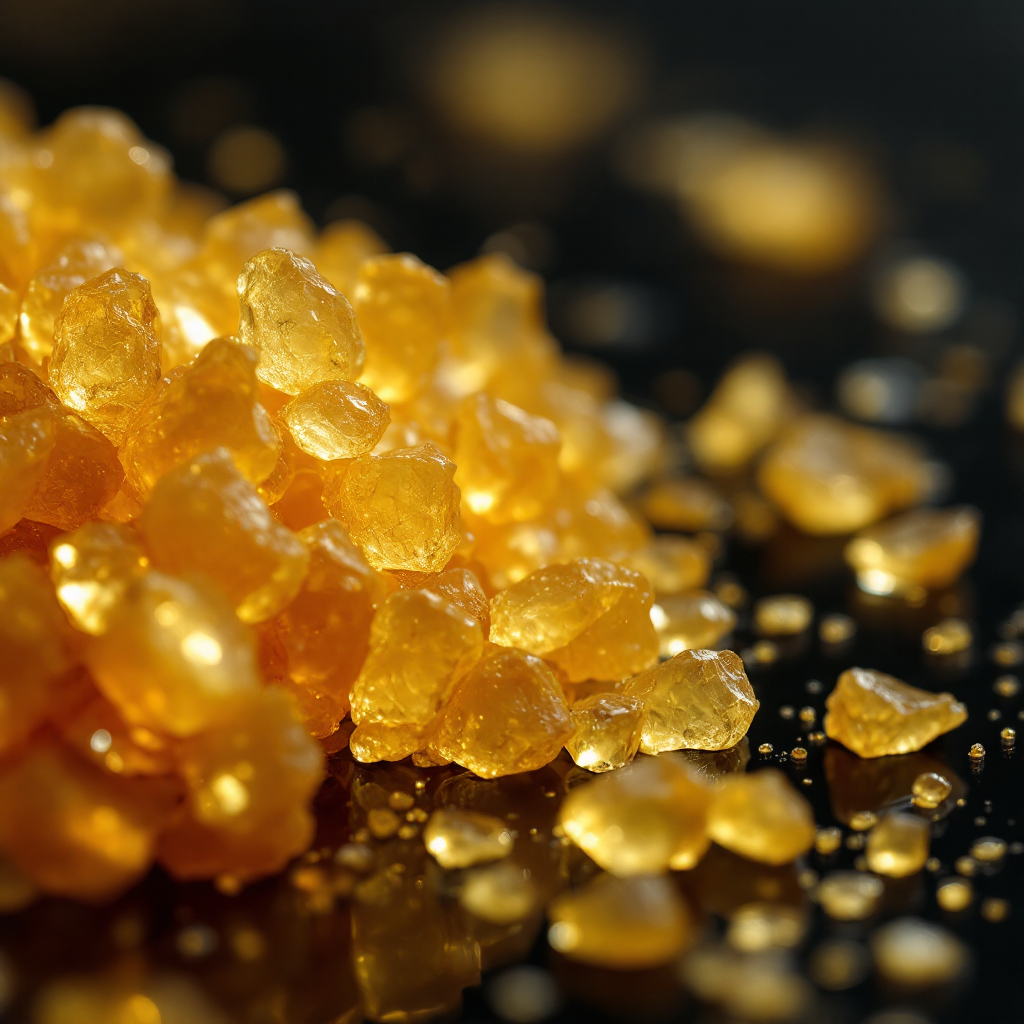
Olibanum, more commonly known as frankincense, is one of the oldest and most revered aromatic materials in human history. Its scent is a luminous blend of citrusy brightness, resinous warmth, and a distinctive peppery incense character that has made it central to spiritual practice across civilizations. The resin is harvested from Boswellia trees - primarily Boswellia sacra and Boswellia carterii - that grow in the harsh, sun-baked landscapes of Oman, Somalia, and Ethiopia. Harvesters make precise incisions in the bark during the dry season, allowing the milky sap to bleed out and crystallize into pale, opalescent tears over a period of weeks. The finest grades, known as "silver" or "royal hojari," come from the Dhofar region of Oman and command extraordinary prices. Steam distillation yields an essential oil with remarkable complexity - fresh, almost limoncello-like top notes that evolve into a warm, balsamic heart and a long-lasting, slightly smoky base. In modern perfumery, olibanum has experienced a renaissance as the cornerstone of incense-forward and spiritual compositions.
Heritage
Olibanum has been called the "gift of kings," and for good reason: in the ancient world, it was among the most coveted substances on earth, traded across vast distances and valued by weight alongside gold and precious stones. The land of Punt, referenced repeatedly in Egyptian texts, is believed to have been located in the Horn of Africa — modern-day Somalia and Djibouti — and expeditions to Punt were mounted specifically to secure supplies of olibanum for temple rituals. Queen Hatshepsut's famous expedition in approximately 1470 BCE brought back living Boswellia trees to be planted in the terraces of her mortuary temple at Deir el-Bahri.
In ancient Rome, Pliny the Elder recorded that the incense trade generated more wealth than any other commodity, and the city of Alexandria served as the principal emporium where African and Arabian olibanum was consolidated for distribution across the Mediterranean world. The resin's significance extended beyond religion and commerce — it was prescribed by physicians from Hippocrates to Avicenna for conditions ranging from digestive complaints to wound healing, uses now partially validated by modern research into the anti-inflammatory properties of boswellic acids. In contemporary perfumery, olibanum has experienced a renaissance, anchoring the "sacred woods" trend exemplified by fragrances like Bois d'Encens by Armani Prive and Sacred Osmanthus by Ormonde Jayne, where its ancient solemnity meets modern minimalism.
At a Glance
3
Feature this note
Other
Olfactive group
Natural
Botanical origin
Somalia
Primary source region
Ingredient Details
Steam distillation or CO₂ extraction
Dried resin tears (Boswellia sacra)
Did You Know
"Frankincense resin was more valuable than gold along ancient trade routes and was one of the gifts the Magi brought to Bethlehem."
Pyramid Presence