Character
The Story of Moroccan Lavender
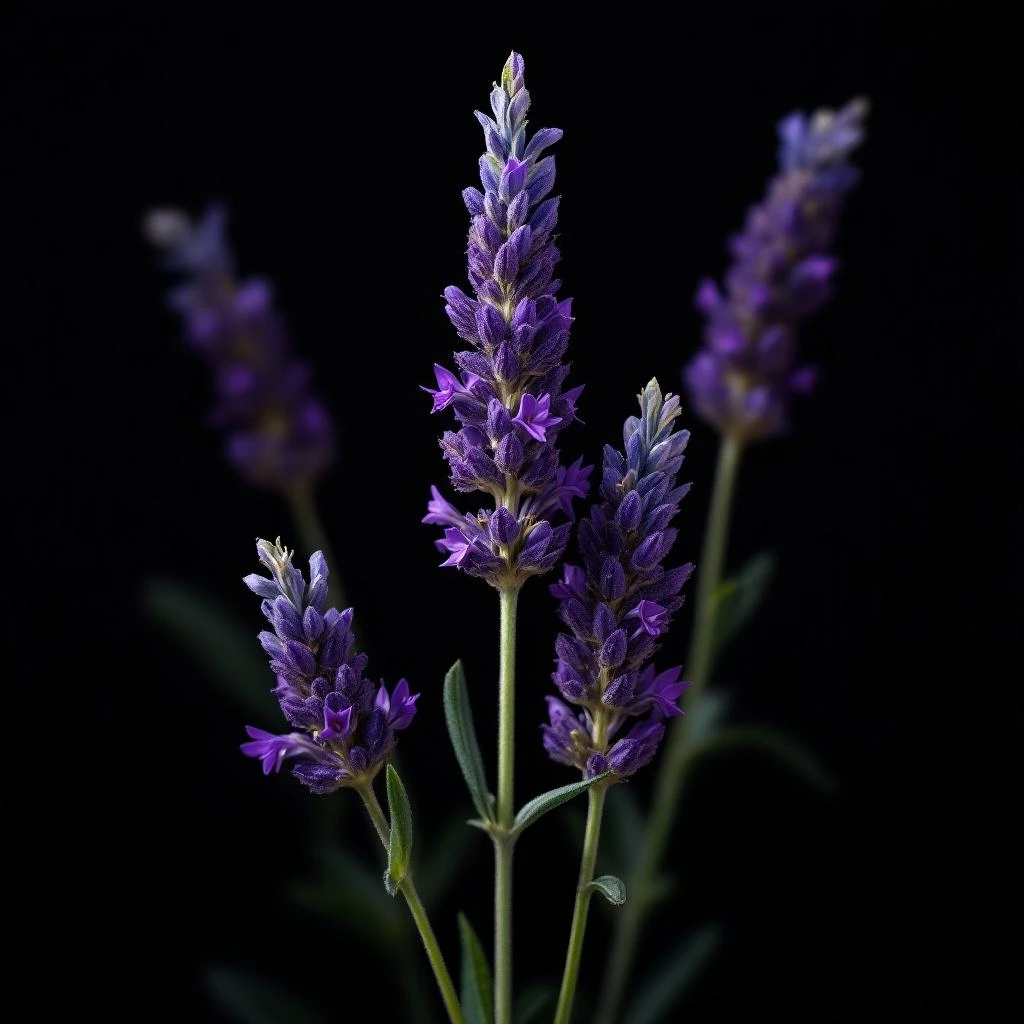
Moroccan lavender carries the sun-warmed personality of North African terroir: fresh, herbaceous, and subtly camphoraceous with a floral sweetness that differs from its cooler European cousins.
Heritage
While lavender has roots in ancient Egypt, where it was used in mummification rituals around 2,500 years ago, Morocco's lavender heritage traces a different path through the medieval Islamic world. Arab physicians valued lavender for its antiseptic and digestive properties, incorporating it into remedies that traveled along North African trade routes. The plant became embedded in Moroccan herbal traditions before commercial distillation took hold. By the 16th century, when European distillation techniques spread across the Mediterranean, Morocco had the climate and botanical knowledge to establish itself as a serious lavender producer. The crop found a natural home in the Atlas Mountains, where Berber farming communities developed cultivation techniques suited to the region's altitude and dry summers. Today Morocco ranks among the world's top lavender oil producers, with production centered in the Middle and High Atlas regions. The industry has grown from traditional village-scale distillation into a professional agricultural sector supplying global fragrance houses, while retaining much of its small-farm character.
At a Glance
1
Feature this note
Floral
Olfactive group
Morocco
Primary source region
Ingredient Details
Steam distillation
Flower spikes (stems and buds)
Did You Know
"Lavender fields in Morocco's Atlas Mountains sit above 1,500 meters, where cooler nights and intense sunlight produce a more complex aromatic profile than lower-altitude European varieties."