Mango Ice Cream
A sun-drenched tropical fruit note that captures the lush sweetness of ripe mango, reimagined as a cool, creamy confection. This synthetic recreation translates the fruit's velvety texture into a fragrance experience that feels both exotic and comfortingly familiar.
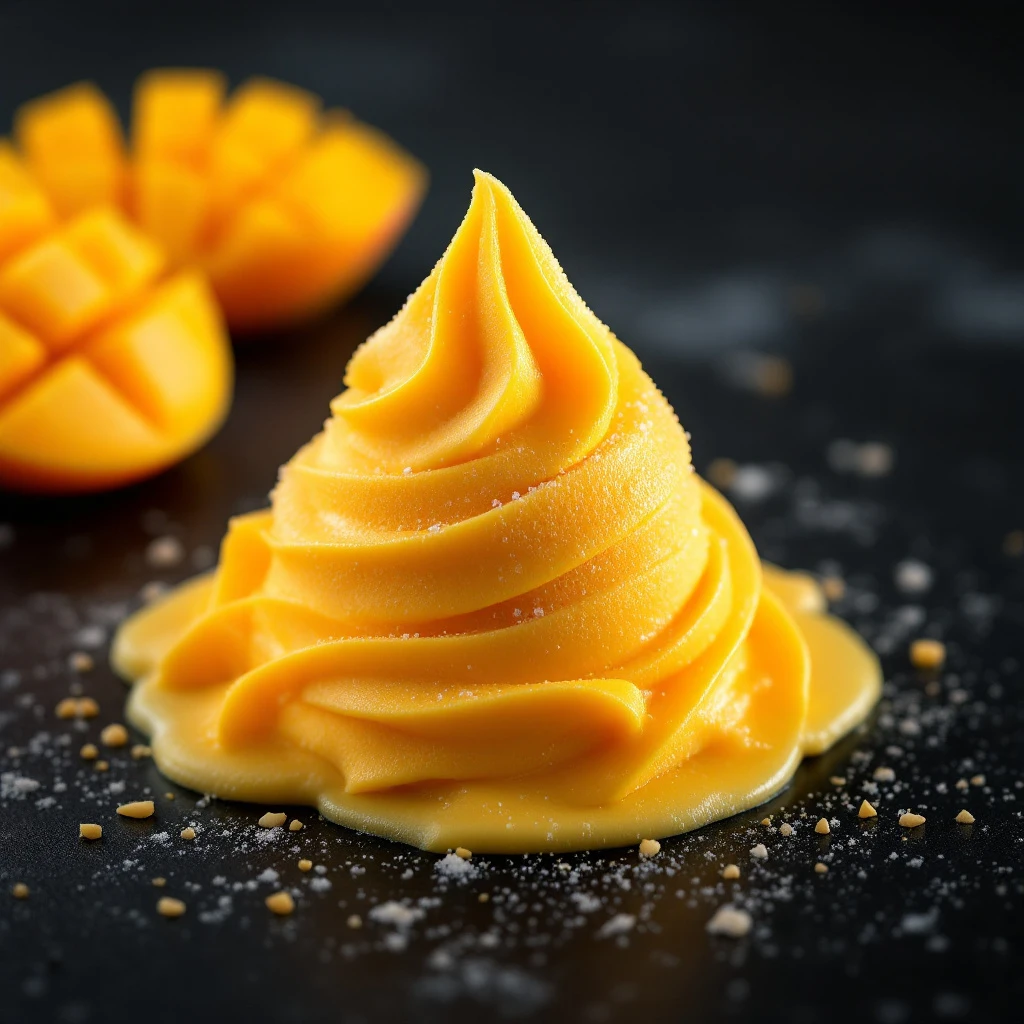
Character
How it smells
Tropical sweetness in cool, creamy form.
A single mango contains over 25 different aromatic compounds, yet perfumers recreate the scent synthetically because the fruit yields almost no essential oil.


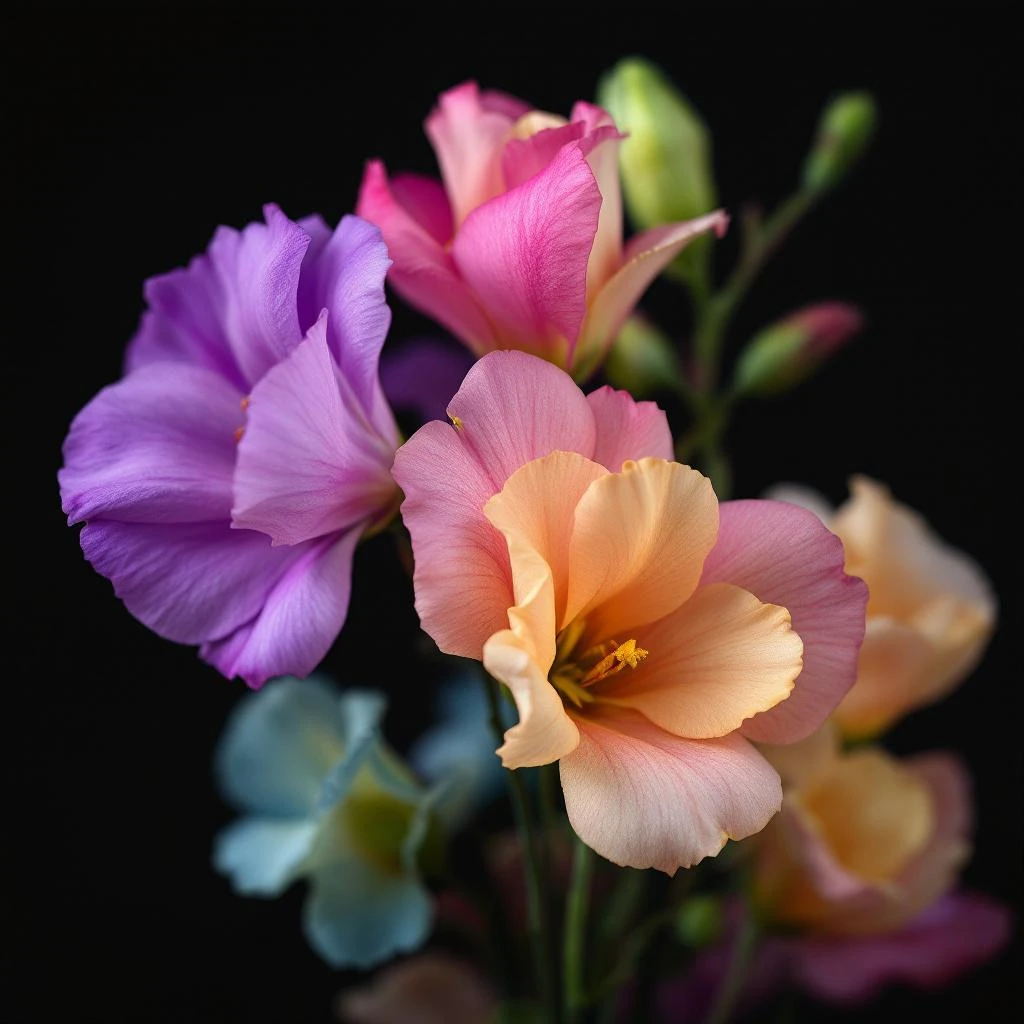

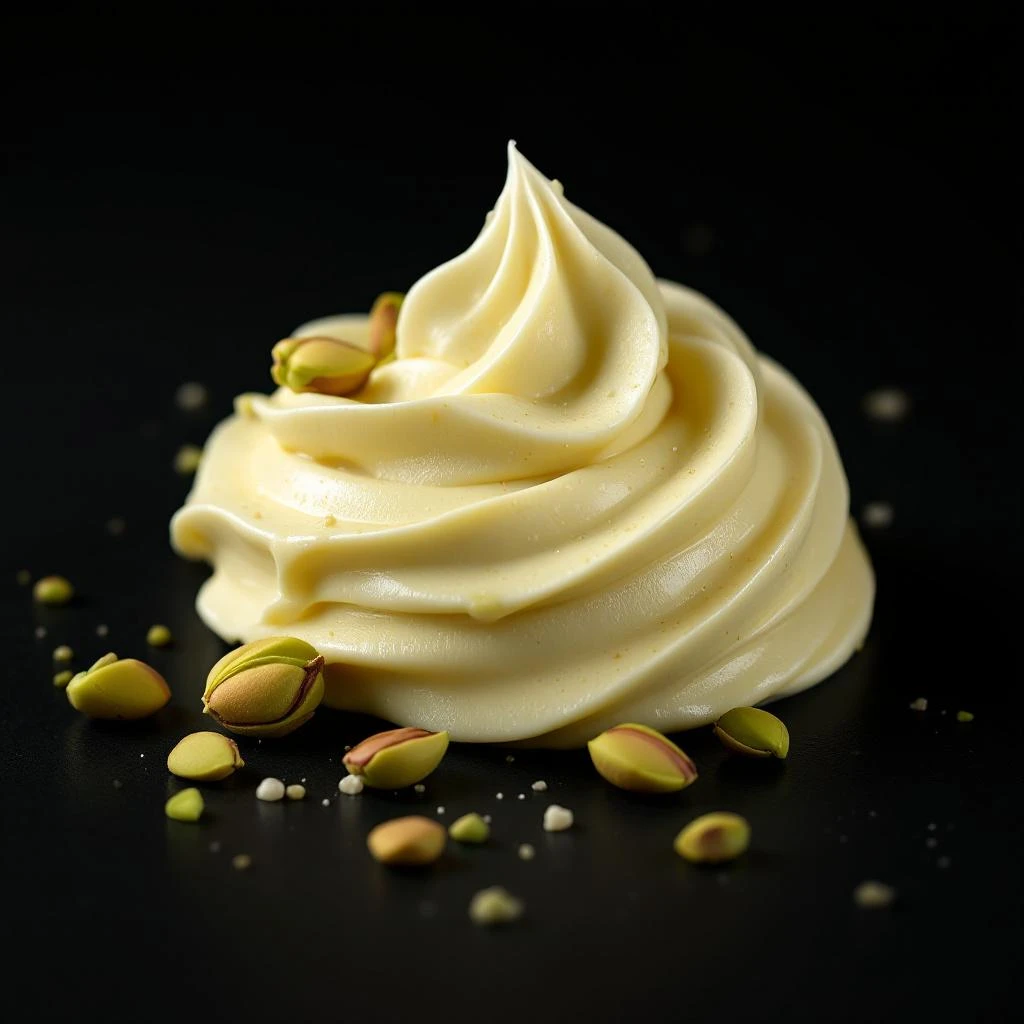
Origin
India
Mango cultivation dates back roughly 4,000 years to the Indian subcontinent, where ancient texts referenced the fruit as a gift from the gods. Portuguese traders introduced mango to Brazil in the 16th century, and cultivation spread through tropical regions worldwide.
The fruit never entered perfumery as a traditional ingredient due to extraction challenges. Instead, mango emerged as a fragrance note only in the late 20th century when synthetic chemistry advanced enough to convincingly reproduce its complex aroma.
The ice cream interpretation, a distinctly modern confectionery concept, arrived in fragrance design as perfumers began exploring edible, comfort-forward scent profiles during the 2000s. This development reflected a broader shift toward playful, accessible fine fragrances that broke from perfumery's historical formality.
Wears it best
Fragrances featuring Mango Ice Cream
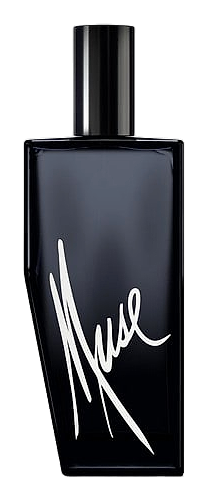
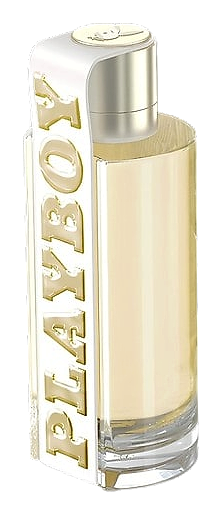
Brands
Brands known for Mango Ice Cream
Good to know
Questions, answered
The essentials on Mango Ice Cream in perfumery: how it smells, where it comes from, and how it behaves on skin.
Is mango ice cream a natural fragrance ingredient?
No. Mango ice cream is a synthetic fragrance note. The actual mango fruit yields almost no essential oil due to its high water content, making natural extraction impractical. Perfumers create the scent using lab-synthesized aroma compounds that replicate mango's characteristic sweet, tropical profile.
What gives mango its signature scent in perfumery?
Mango's fragrance combines multiple aromatic compounds, including terpenes like terpinolene and pinene, along with various esters. In synthetic reproductions, materials like gamma-decalactone add creamy, peachy undertones that make the mango note feel richer and more dessert-like.
How does mango ice cream differ from fresh mango in a fragrance?
Fresh mango carries bright, citrusy top notes alongside tropical sweetness. The ice cream interpretation emphasizes the fruit's creamy, velvety character. It reads as a cooler, more indulgent scent that balances tropical fruit with lactonic richness.
What fragrances typically feature mango ice cream notes?
Mango ice cream appears primarily in summer fragrances, fruity chypres, and unisex fine fragrances marketed toward younger consumers. The note often anchors tropical fragrance families or provides a sweet counterpoint in more complex compositions.
Can mango ice cream stand alone as a fragrance?
The note works best as part of a blended fragrance rather than a solo scent. On its own, mango ice cream lacks the complexity needed for lasting fragrance performance. It typically pairs with complementary fruits, florals, or gourmand base notes.
Does mango ice cream have any historical use in perfumery?
No historical precedent exists. Mango itself has no perfumery tradition due to extraction difficulties. The mango ice cream note emerged only when synthetic chemistry advanced enough to reproduce the fruit's aroma convincingly, which happened during the late 20th century.
Is mango ice cream considered a summer fragrance note?
Yes. The bright, fruity, tropical character makes mango ice cream a warm-weather choice. The creamy dimension prevents it from feeling too light, but the overall impression remains fresh and summery rather than heavy or winter-appropriate.
What family does mango ice cream belong to in fragrance classification?
Mango ice cream falls within the fruity fragrance family. It functions as a heart or top note that introduces immediate sweetness and tropical character. The ice cream qualifier indicates a creamy, dessert-like interpretation rather than sharp, fresh fruit.