Character
The Story of Longan Berries
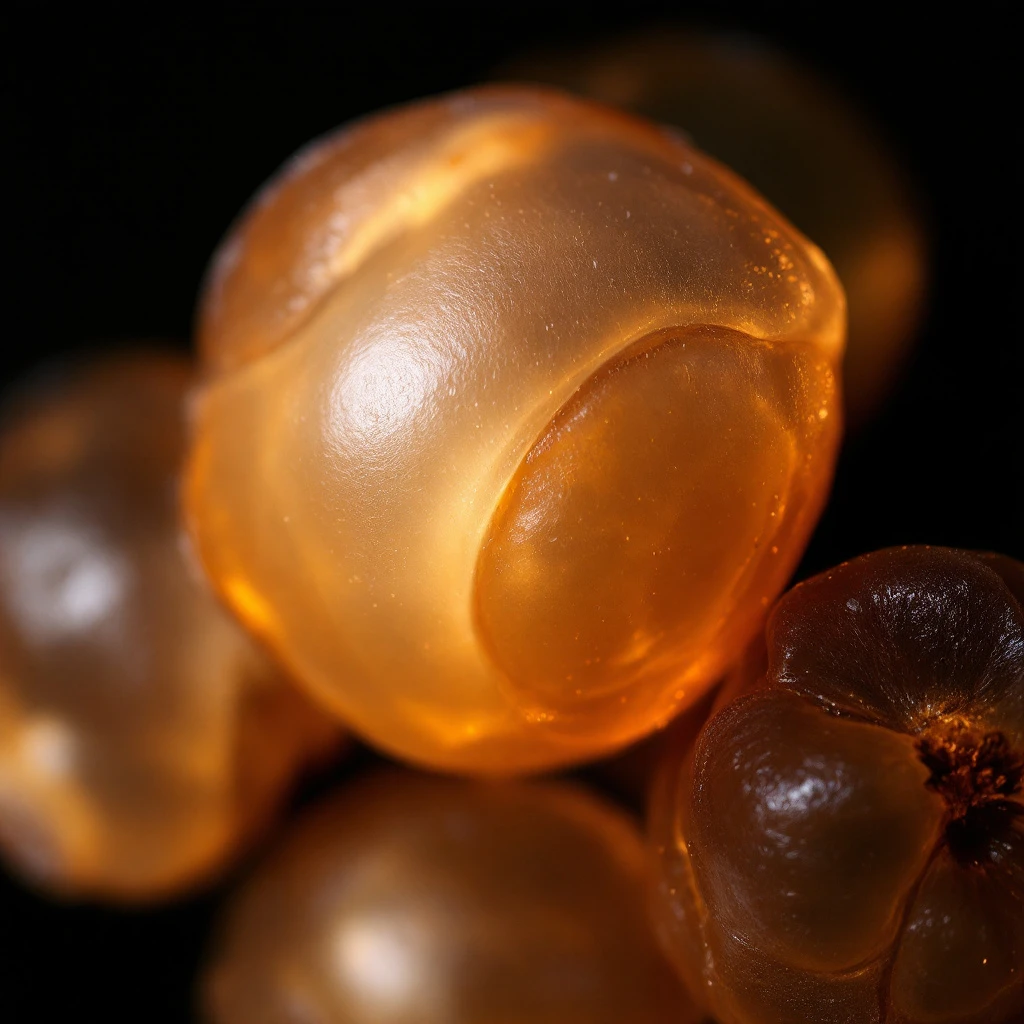
The translucent white flesh of Dimocarpus longan yields a honeyed, jammy sweetness rare among tropical ingredients. Longan berries occupy the heart of fragrance compositions as an aromatic bridge between bright top notes and grounding bases.
Heritage
Longan cultivation began in southern China over 2,000 years ago, making it one of the oldest domesticated tropical fruits in Asia. The tree spread along ancient trade routes to Vietnam and Thailand, where it became embedded in local culture and cuisine for centuries. Traditional medicine in all three countries prized longan for its calming properties, and the fruit appeared in religious offerings and seasonal festivals throughout the region. European traders encountered longan in the 19th century but the fruit never gained the global recognition of lychee, its close botanical relative. Perfumers only began seriously exploring longan as a fragrance ingredient in the late 20th century, drawn to its softer, more translucent sweetness compared to stronger tropical notes. Today, longan extract represents a niche but treasured material, valued for the subtlety it brings to modern tropical and gourmand compositions.
At a Glance
2
Feature this note
Fruity Notes
Olfactive group
Vietnam
Primary source region
Ingredient Details
Solvent extraction
Fruit flesh
Did You Know
"Longan means 'dragon's eye' in Chinese, a reference to the fruit's distinctive appearance when peeled, with a black seed visible through translucent flesh."