Licorice absolute
Licorice absolute captures the deep, multifaceted soul of the Glycyrrhiza glabra root. Distilled from sun-dried roots native to the Fertile Crescent, this material delivers an immediate wave of confectionery sweetness, layered over warm balsamic depths and a dry, almost smoky undertone that commands attention in fragrance compositions.
Character
How it smells
Sweet root, complex soul.
Licorice root contains glycyrrhizin, a compound roughly 50 times sweeter than refined sugar, yet its absolute registers as distinctly savory in fragrance.




Origin
Syria
Licorice has accompanied human civilization since ancient Mesopotamia, where clay tablets from circa 1800 BCE list the plant among traded medicinal goods. Egyptian pharaohs included licorice root in their tombs for afterlife comfort, while Greek physician Dioscorides documented its expectorant and anti-inflammatory properties in his first-century pharmacopeia.
The Silk Road carried licorice westward from Central Asia, where it became embedded in Mediterranean apothecary traditions. Perfumery adopted licorice extracts during the Arabic golden age, when incense and medicinal preparations often merged.
The modern absolute emerged from 19th-century French attempts to isolate and concentrate medicinal plants for perfume use, a movement that shifted the industry from simple enfleurage toward sophisticated extraction science. Today, licorice absolute appears inoud moments from ancient medicine cabinets to contemporary niche perfumery, valued for its ability to bridge gourmand sweetness and herbal depth.
Wears it best
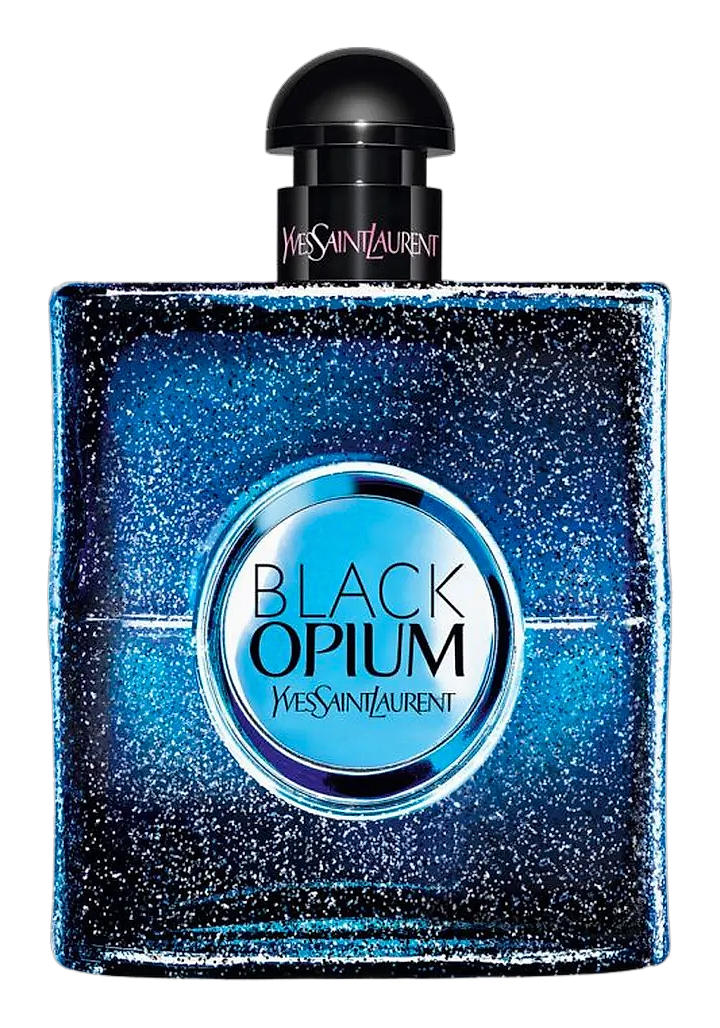
Fragrances featuring Licorice absolute
Brands
Brands known for Licorice absolute
Good to know
Questions, answered
The essentials on Licorice absolute in perfumery: how it smells, where it comes from, and how it behaves on skin.
What does licorice absolute smell like?
Licorice absolute presents sweet, candy-like aromatics balanced by warm, balsamic depths and a dry, slightly medicinal undertone with nuances of anise and hay.
Is licorice absolute natural or synthetic?
Licorice absolute exists as a natural material extracted from plant roots, though synthetic companions like anethole serve similar olfactory functions in perfumery.
How is licorice absolute made?
Manufacturers dry Glycyrrhiza glabra roots for months, then extract with solvents to create a concrete before processing with alcohol to yield the concentrated absolute.
What fragrances feature licorice absolute?
Niche houses including Annick Goutal, Serge Lutens, and Amouage have incorporated licorice absolute in compositions that explore sweet-herbal and oriental fragrance families.
Is licorice absolute safe for skin contact?
Licorice absolute carries IFRA certification for safe use in consumer fragrances when handled at recommended concentrations below 1% of the final product.
Why do perfumers use licorice absolute?
Licorice absolute acts as a naturist fixative while lending sweet, gourmand character, helping bridge food-related scents with floral or woody elements in a composition.
What is the difference between licorice absolute and aniseed?
Although sharing trans-anethole as a key aromatic compound, licorice absolute derives from roots and exhibits deeper, sweeter, more resinous qualities than bright aniseed from seeds.
Where does commercial licorice absolute originate?
The finest licorice root hails from Syria, though substantial cultivation occurs in Spain, Italy, and China, where climate and soil produce varying aromatic profiles.