Jenipapo Fruit
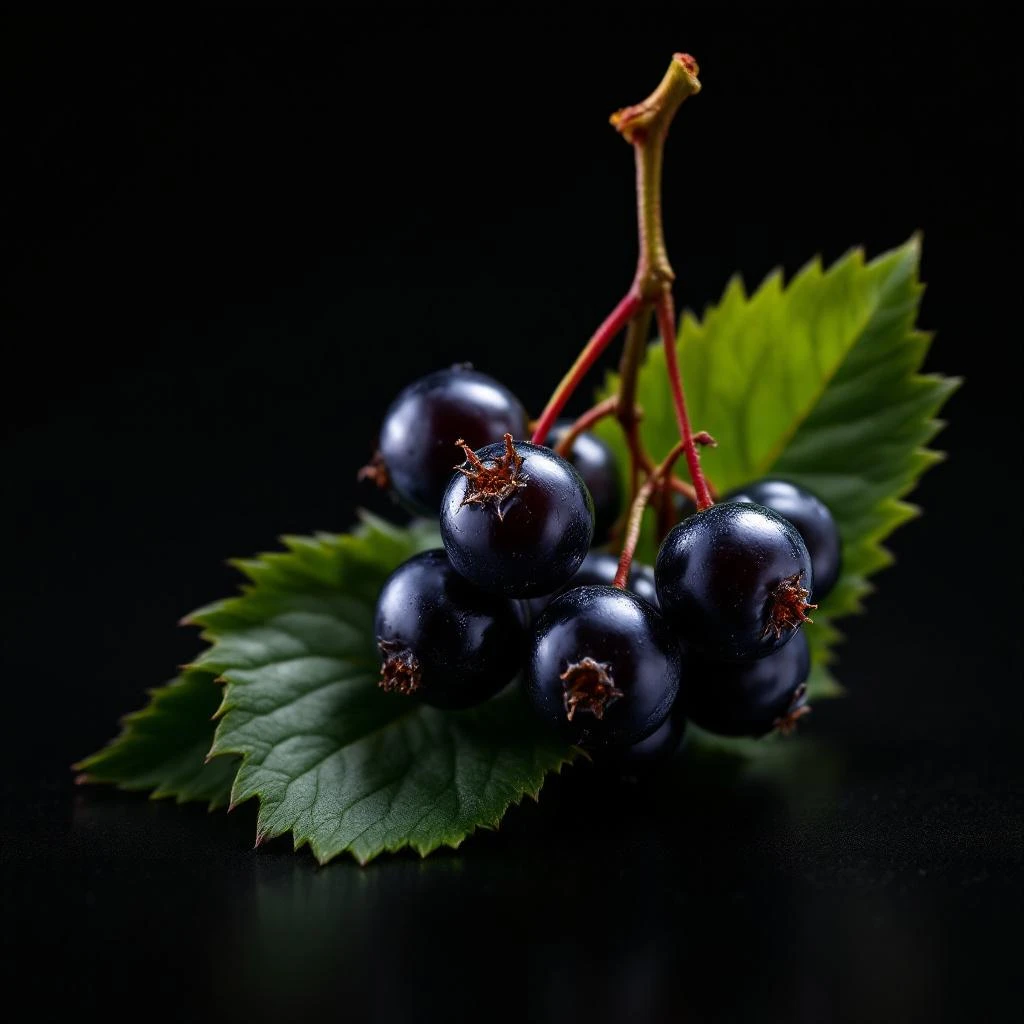
Genipa americana, known as jenipapo, is a tropical fruit from Central and South America. Its ripe pulp carries a sweet, honeyed, tropical fragrance with apricot and caramel undertones. In perfumery, it represents one of the Amazon's rarest aromatic ingredients.
Character
How it smells
Amazonian sweetness distilled from tropical canopy to bottle.
Indigenous peoples have used jenipapo's deep blue-purple juice as body paint and textile dye for centuries, a practice still alive in Amazonian communities today.
Origin
Brazil
Genipa americana grows wild across the Amazon basin and surrounding tropical lowlands, spanning Brazil, Venezuela, Colombia, Peru, and into Central America. Indigenous Amazonian peoples have cultivated and used jenipapo for millennia, valuing both its nutritional and cultural significance. The fruit appears in pre-Columbian archaeological sites, suggesting it formed part of ancient diets and rituals.
Colonial-era naturalists documented the tree and its distinctive blue-black fruit juice, noting its use as a dye and its pleasant, sweet flavor. In Brazilian Amazonian communities, jenipapo remains a traditional food, eaten fresh or processed into preserves and liqueurs. The tree holds cultural weight in ceremonies and oral traditions.
Its integration into modern perfumery is recent, reflecting a growing interest in representing lesser-known tropical biodiversity through scent. Each perfume featuring jenipapo connects contemporary fragrance creation to centuries of indigenous botanical knowledge from the Amazonian biome.
Good to know
Questions, answered
The essentials on Jenipapo Fruit in perfumery: how it smells, where it comes from, and how it behaves on skin.
What does jenipapo smell like in a fragrance?
Jenipapo absolute has a sweet, tropical fruit scent with apricot and honeyed caramel undertones. It reads as a rich, ripe tropical fruit note rather than sharp or citric.
Is jenipapo used often in commercial perfumes?
No. Jenipapo remains uncommon in mainstream perfumery, appearing mainly in niche fragrances focused on tropical or Brazilian-inspired compositions.
What part of the jenipapo plant is used for fragrance?
Fragrance material comes from the ripe fruit pulp. The flesh is processed after harvest when the fruit reaches its dark blue-purple mature stage.
Can jenipapo be extracted using steam distillation?
Steam distillation is not ideal for jenipapo because the fruit's aromatic compounds are delicate and thermally sensitive. Solvent extraction preserves its sweet, fruity character more effectively.
Where does jenipapo grow?
Genipa americana grows wild throughout the Amazon basin, including Brazil, Venezuela, Colombia, Peru, and parts of Central America, thriving in tropical lowland forests.
Does synthetic jenipapo exist?
Some perfumers use nature-identical compounds that approximate tropical fruit notes found in jenipapo, but these are not equivalent to genuine botanical extracts.
How is jenipapo fruit traditionally used outside perfumery?
Communities across the Amazon eat jenipapo fresh, in preserves, and in liqueurs. Its dark juice also serves as a natural dye for textiles and body paint in indigenous traditions.
Is jenipapo a sustainable perfumery ingredient?
Sustainable sourcing requires careful wild-harvesting protocols due to limited commercial cultivation. Fragrance houses sourcing jenipapo work directly with Amazonian communities to ensure ecological responsibility.