    Ingredient Profile

    Jasminum Grandiflorum fragrance note

    Jasminum grandiflorum yields one of perfumery's most coveted absolutes—a richly narcotic, fruity-floral material that anchors countless lege…More

    Floral·India

    8

    Fragrances

    Floral

    Family

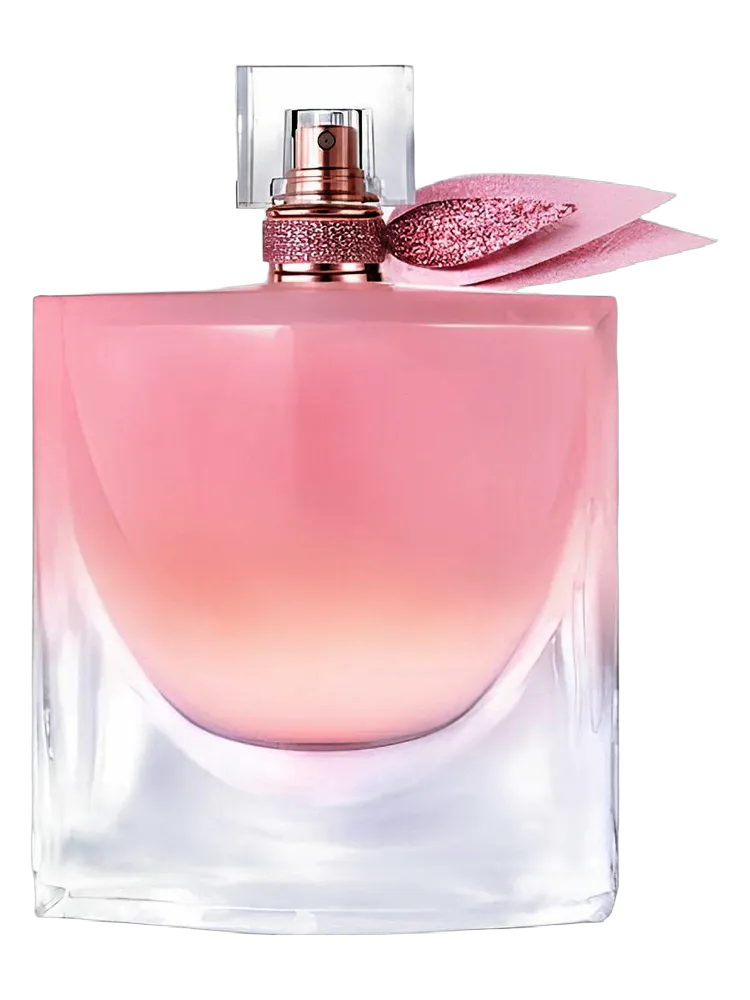
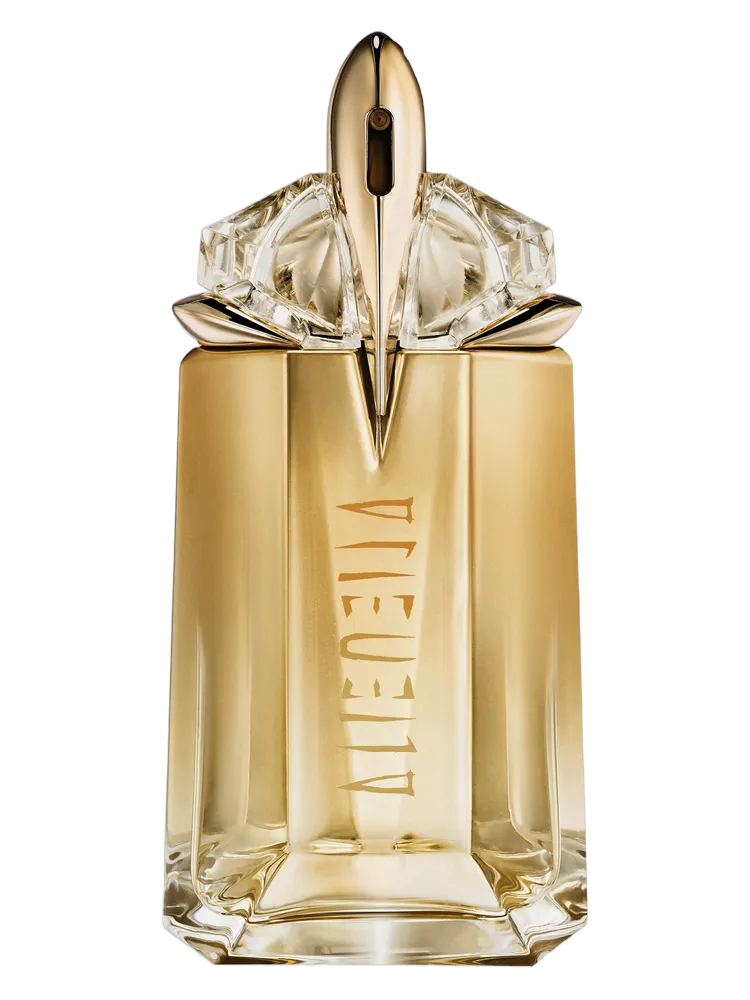
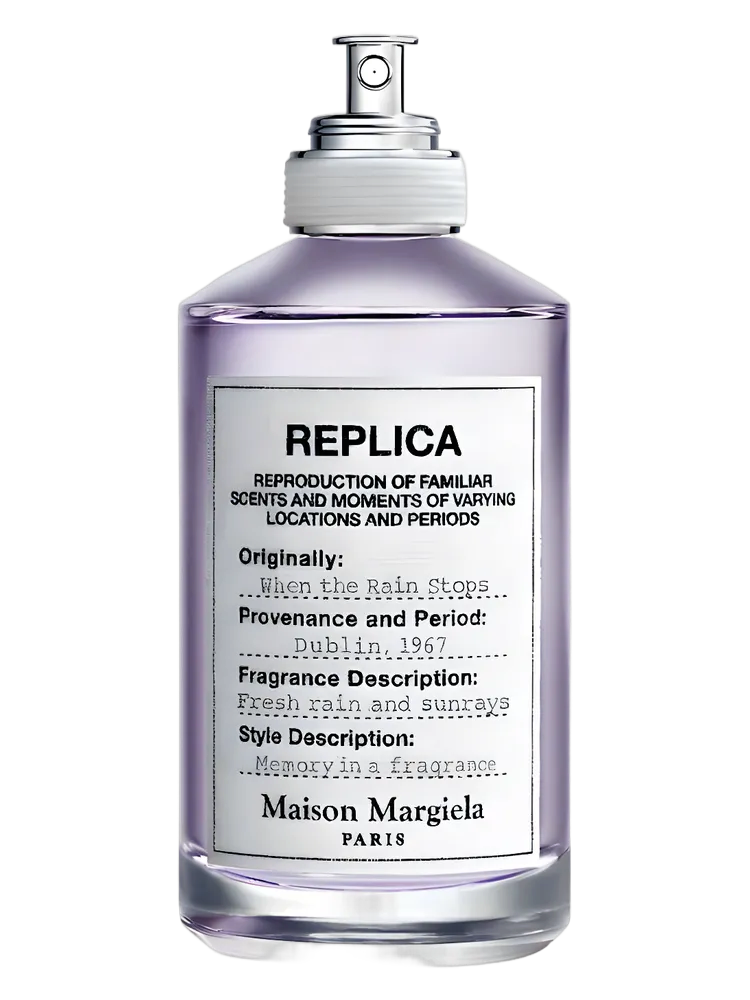
    Fragrances featuring Jasminum Grandiflorum

    8

    Character

    The Story of Jasminum Grandiflorum

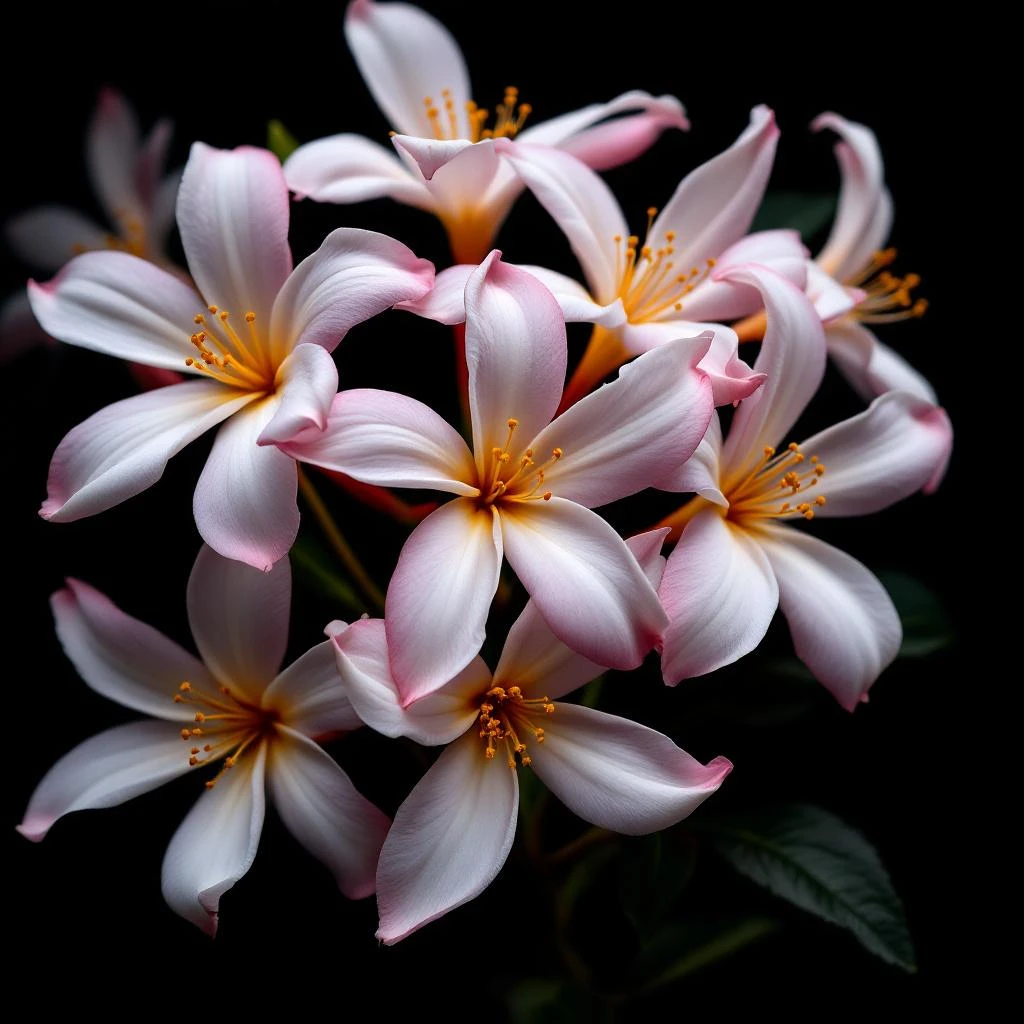
    Jasminum grandiflorum yields one of perfumery's most coveted absolutes—a richly narcotic, fruity-floral material that anchors countless legendary fragrances.

    Heritage

    The jasmine plant traces its origins to ancient Persia, with evidence of cultivation in Egypt dating to 1000 BCE. French perfumery's love affair began in 1548 when Arab traders introduced the flower to Provence, though it was the town of Grasse that would become its spiritual home. By the 1850s, Grasse-based perfume houses began producing jasmine absolute in earnest, establishing the region as the global benchmark for this material. Local cultivators developed specialized harvest timing—picking at dawn when the flowers' scent glands release maximum aroma—and passed techniques through generations. The mid-19th century introduction of synthetic aroma molecules shifted perfumery's palette away from purely natural ingredients, yet jasmine remained essential. Today, jasmine de Grasse persists as a marker of quality and heritage, its cultivation a living link to perfumery's artisanal roots.

    At a Glance

    Fragrances

    8

    Feature this note

    Family

    Floral

    Olfactive group

    Origin

    India

    Primary source region

    Ingredient Details

    Extraction

    Solvent extraction

    Used Parts

    Flower petals

    Did You Know

    "It takes roughly 5,000 hand-picked flowers to produce a single gram of absolute—making every drop a rare commodity."

    Pyramid Presence

    Top
    1
    Heart
    7

    Production

    How Jasminum Grandiflorum Is Made

    Jasmine grandiflorum presents a fundamental paradox: the flowers must reach peak ripeness on the plant yet process within hours of harvest, as severed blooms lose their scent rapidly. Modern extraction relies on solvent extraction, typically using food-grade hexane, to capture the aromatic compounds from fresh, hand-harvested flowers. This process first produces jasmine concrete—a waxy, aromatic concentrate—which then undergoes washing with alcohol and vacuum processing to yield the absolute. Traditional enfleurage, where petals rested atop cold fat to absorb scent, has largely disappeared from commercial production due to labor intensity. Regardless of method, yield remains stubbornly low at approximately 0.1 percent, meaning producers require roughly 1,000 kilograms of flowers for every kilogram of absolute. This scarcity, combined with hand-harvest labor, makes natural jasmine absolute both precious and irreplaceable in fine perfumery.

    Provenance

    India

    India20.6°N, 79.0°E

    About Jasminum Grandiflorum