Isopropoxyethyl Salicylate
2-Isopropoxyethyl salicylate is a synthetic aromatic ester that delivers sweet, floral, balsamic character to fragrance compositions. Known commercially as Sakura Salicylate, this ingredient brings soft floral warmth while functioning as a reliable fixative that extends the life of lighter top notes in fine fragrance.
Character
How it smells
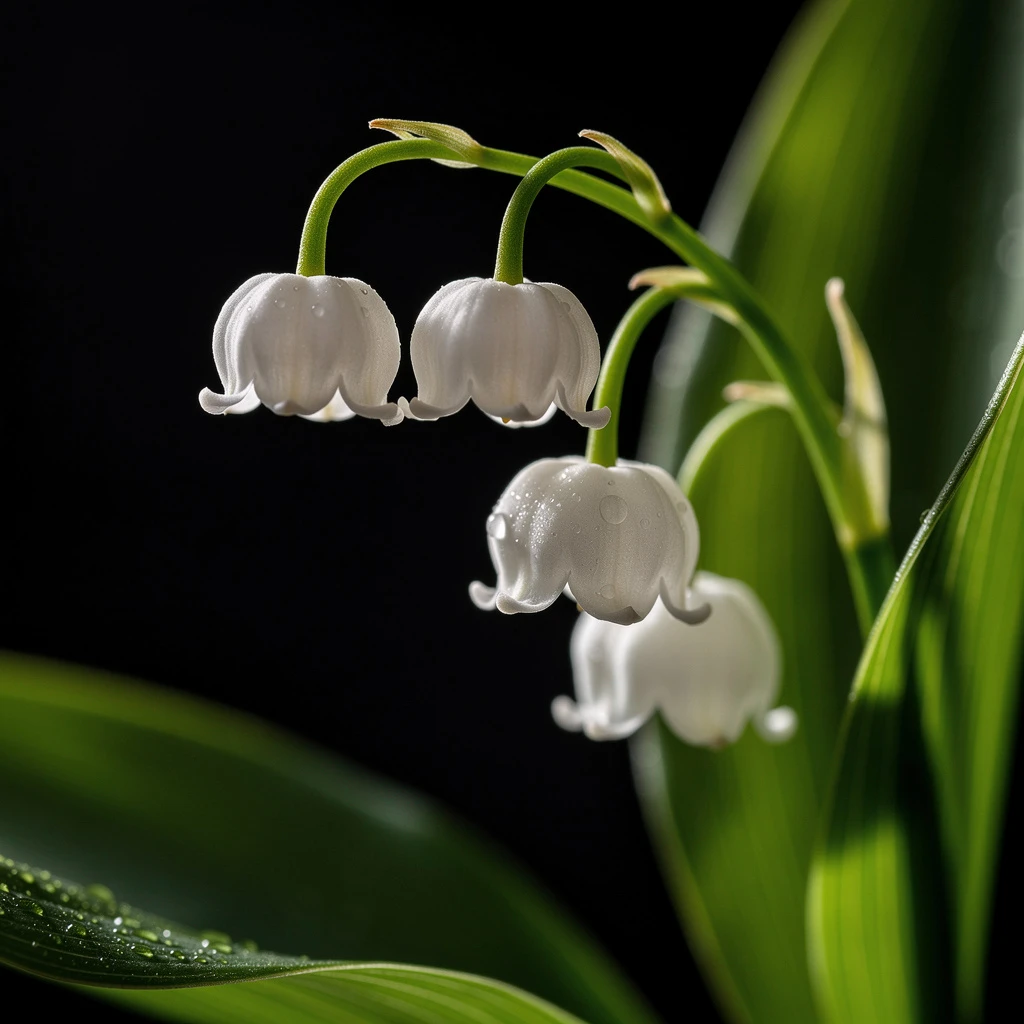
Cherry blossom-sweet floral fixative.
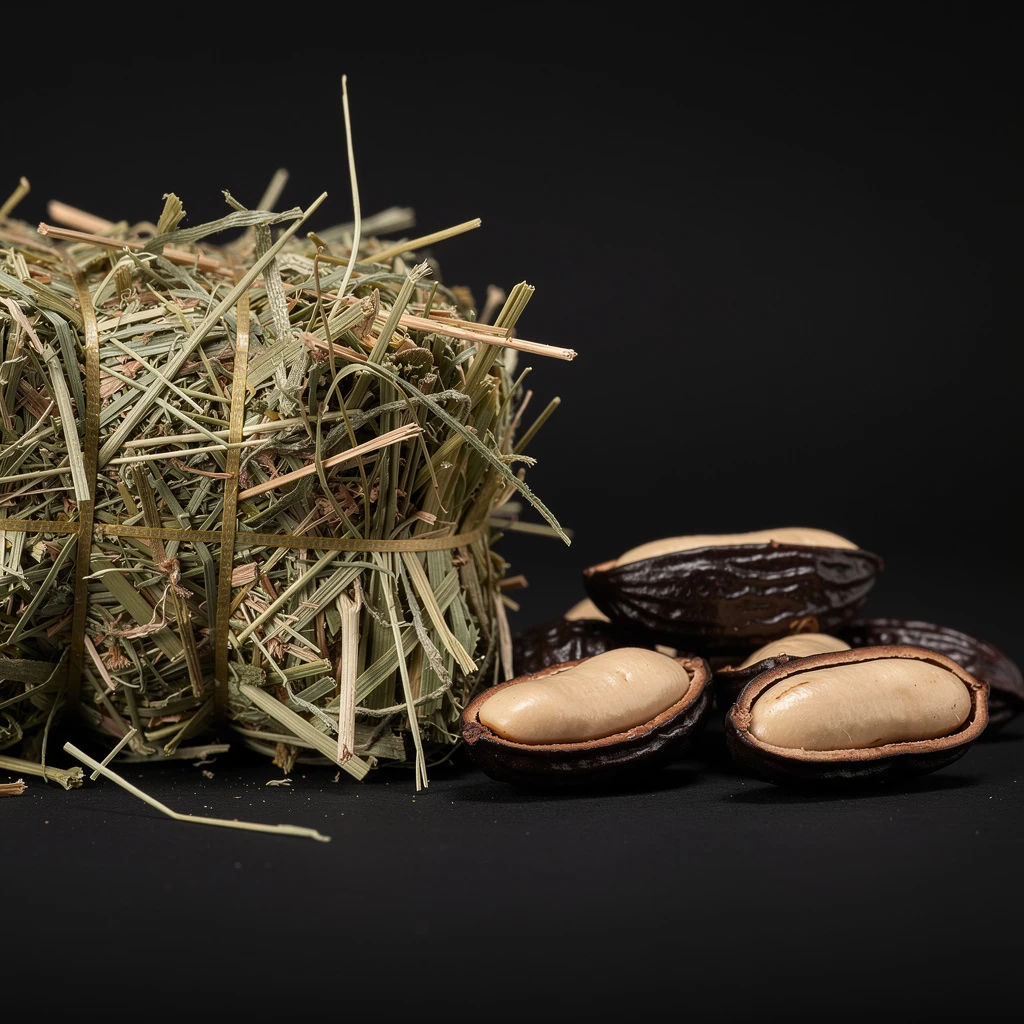
The salicylate family traces back to plants like wintergreen and meadowsweet, used for millennia in traditional remedies for pain and fever.





Origin
Japan
This fragrant ester represents a modern refinement of the salicylate family, a group with deep roots in perfumery history. The original salicylates came from meadowsweet and wintergreen oils, used in traditional medicine long before chemistry existed.
When industrial synthesis developed in the 19th and 20th centuries, chemists could build new molecules from the salicylate template. Takasago, a Japanese fragrance house founded in 1916, developed Sakura Salicylate as contemporary perfumers sought alternatives to natural and semi-synthetic salicylates.
The name evokes cherry blossoms, a metaphor for the ingredient's delicate floral character. Today it serves as a functional substitute for benzyl salicylate while meeting modern regulatory requirements.
Wears it best
Fragrances featuring Isopropoxyethyl Salicylate
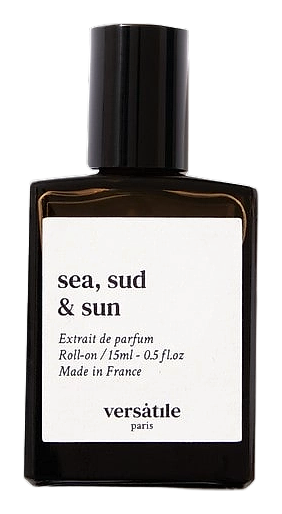
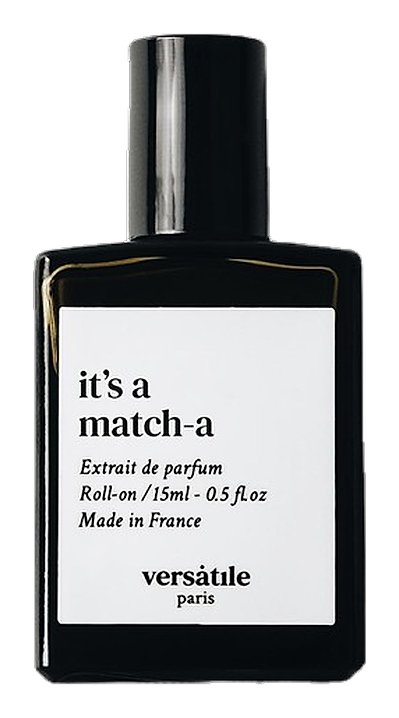
Brands
Brands known for Isopropoxyethyl Salicylate
Good to know
Questions, answered
The essentials on Isopropoxyethyl Salicylate in perfumery: how it smells, where it comes from, and how it behaves on skin.
What chemical family does this ingredient belong to?
It belongs to the salicylate family, a group of aromatic esters known for their sweet, floral characteristics and fixative properties. Salicylates have been central to perfumery since the 19th century.
What does isopropoxyethyl salicylate smell like?
The odor is sweet, floral, and balsamic. It offers fresh, slightly wintergreen-like sweetness without the sharp mint quality of methyl salicylate. Fragrance professionals describe it as having soft floral warmth.
What role does this ingredient play in fragrance formulas?
It functions primarily as a fixative and fragrance enhancer. The ether linkages in its structure reduce volatility, helping lighter top notes remain detectable longer on the skin.
Which fragrance categories use this ingredient?
Floral fragrances form the main application. It blends well with compounds like rose, jasmine, and ylang-ylang. Manufacturers often use it as a substitute for benzyl salicylate in similar applications.
Is this ingredient considered safe for use in consumer products?
RIFM, the fragrance industry's safety body, deemed it safe at current exposure levels. Their 2024 assessment, covering dermal sensitization and environmental risk, found no restrictions on cosmetic use.
Is this ingredient naturally derived or synthetically produced?
It is entirely synthetic. Takasago produces it through laboratory esterification combining salicylic acid with 2-isopropoxyethanol. No natural plant material is used in production.
Why is it called Sakura Salicylate?
Takasago chose the name to reference sakura, the Japanese word for cherry blossoms. The metaphor reflects the ingredient's delicate, fresh floral character inspired by Japan's iconic spring flower.
How does it compare to benzyl salicylate?
Fragrance formulators use it as a functional replacement for benzyl salicylate. It delivers similar fixative strength and floral support while meeting updated regulatory standards for the fragrance industry.
In the same family