Indonesian ginger
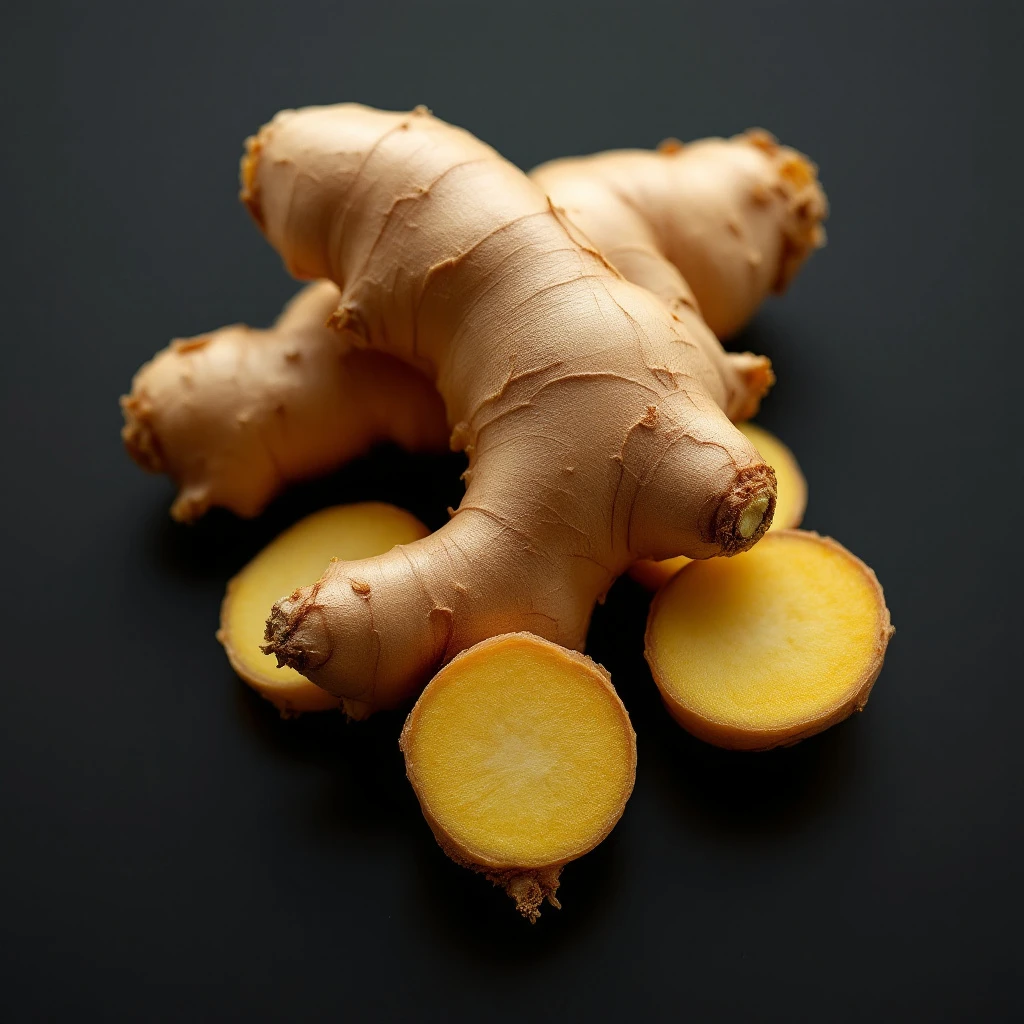
Indonesian ginger brings bold, fiery warmth to fragrance compositions. Its sharp, citrusy-spice character adds energy and vitality, making it a standout choice for modern perfumes seeking a vibrant, natural edge.
Character
How it smells
Fiery spice from tropical soils
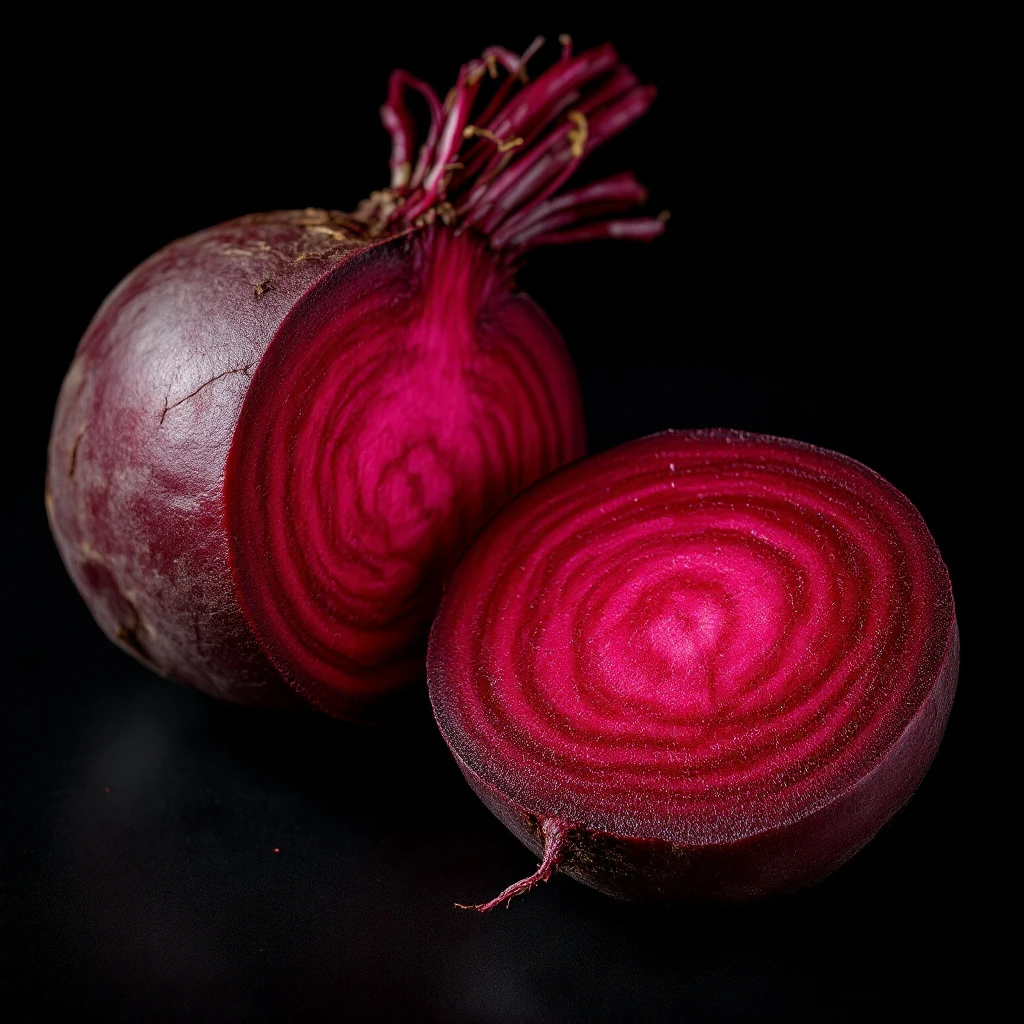
Indonesian ginger contains elevated levels of zingiberene compared to other origins, giving perfumes a distinctly warm, almost honeyed depth.




Origin
Indonesia
Ginger originated in South Asia and spread to Indonesia through centuries of maritime trade. Chinese and Indian merchants carried the rhizome to the archipelago by the 5th century, where it thrived in tropical conditions. Indonesian communities quickly adopted ginger for culinary, medicinal, and ceremonial purposes.
The archipelago's volcanic soil and humid climate produced a distinct chemotype prized by early spice traders. By the 15th century, Indonesian ginger had become a valuable export commodity along routes connecting Asia to the Middle East and Europe. The development of steam distillation equipment in the 19th century opened new possibilities for the Indonesian fragrance industry, which had grown substantially since Arab and Indian traders introduced perfume-making skills in the early 1600s.
Modern Indonesian ginger production serves both culinary and fragrance markets. Quality control methods like gas chromatography analysis now help producers maintain consistent aromatic profiles for perfumery use. The ingredient occupies a specific niche in contemporary fragrance: warm but not heavy, spicy but approachable, with enough natural complexity to add character without dominating compositions.
Wears it best
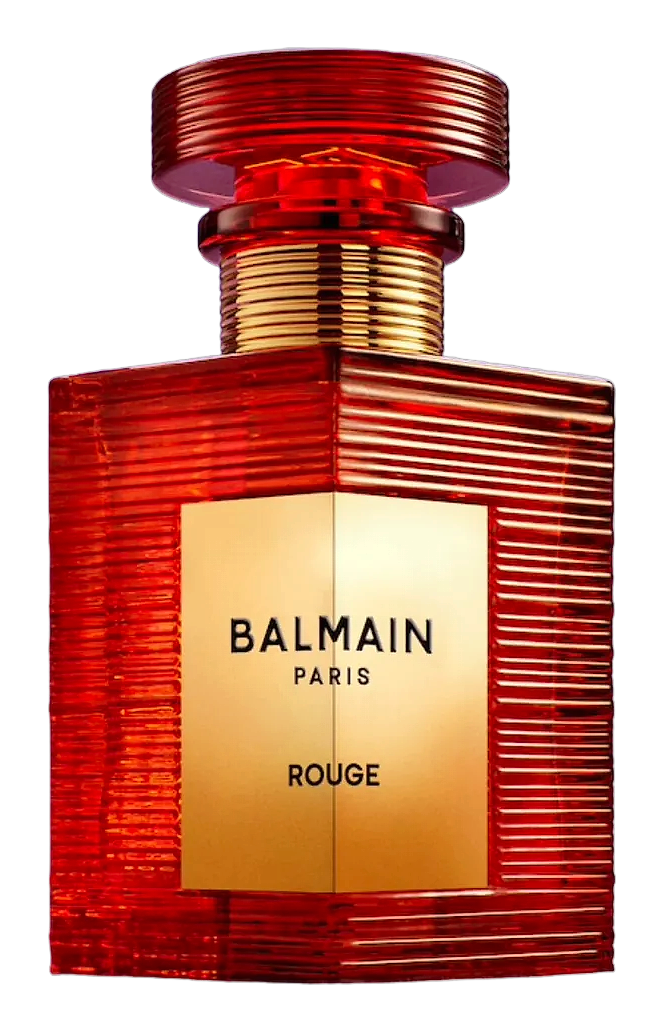
Fragrances featuring Indonesian ginger

Brands
Brands known for Indonesian ginger
Good to know
Questions, answered
The essentials on Indonesian ginger in perfumery: how it smells, where it comes from, and how it behaves on skin.
What does Indonesian ginger smell like in perfume?
Indonesian ginger delivers sharp, citrusy top notes followed by warm spice and subtle earth. It creates an immediate sensation of freshness with a lingering warmth. Unlike synthetic ginger, the natural oil carries subtle variations that add depth to fragrance compositions.
How much ginger oil do perfumers use in a formula?
Ginger oil appears in trace amounts, typically 0.1 to 2 percent of total fragrance weight. This low concentration provides enough warmth and spice without overwhelming other notes. Adjustments depend on whether the perfumer wants a subtle background warmth or a more prominent ginger character.
What extraction methods produce Indonesian ginger oil?
Steam distillation is the primary method, using live steam through fresh or dried rhizomes. CO2 supercritical extraction has gained popularity for capturing a wider aromatic spectrum. Both methods yield usable materials, though with different olfactory profiles: distillation produces sharper, cleaner spice while CO2 extraction preserves richer, more complete natural complexity.
Can Indonesian ginger replace synthetic ginger compounds?
Indonesian ginger works well as a natural base for ginger accords but cannot fully replace synthetics. The natural oil provides warmth, complexity, and subtle variations that synthetic molecules lack. Perfumers often combine natural ginger with isolated aroma chemicals to build a complete ginger note.
What notes pair well with Indonesian ginger?
Indonesian ginger pairs naturally with citrus (bergamot, lemon), florals (ylang-ylang, jasmine), and woods (sandalwood, cedar). It anchors oriental compositions and adds energy to fresh aquatic fragrances. Pairing with vanilla or amber creates warmth; pairing with mint or tea adds complexity.
What makes Indonesian ginger different from other origins?
Volcanic soils in Java and Sulawesi contribute higher zingiberene content, giving Indonesian ginger a warmer, more honeyed quality. Tropical climate and consistent rainfall produce rhizomes with balanced essential oil composition. These factors create an aromatic profile distinct from Chinese or Indian ginger.
Why do perfumers prefer CO2 extract over steam-distilled ginger?
CO2 extraction captures a broader range of aromatic molecules, including heavier compounds lost during steam distillation. The result smells closer to fresh ginger, with more nuanced top notes and fuller body. The trade-off is higher production cost and slightly different olfactory character.
Is cold pressing used for Indonesian ginger?
Cold pressing does not suit ginger because the rhizome structure lacks the oil glands found in citrus peels. Steam distillation remains the standard method. Some producers experiment with other techniques, but none have achieved commercial viability for ginger in perfumery.