
Character
The Story of Indian Jasmine Sambac
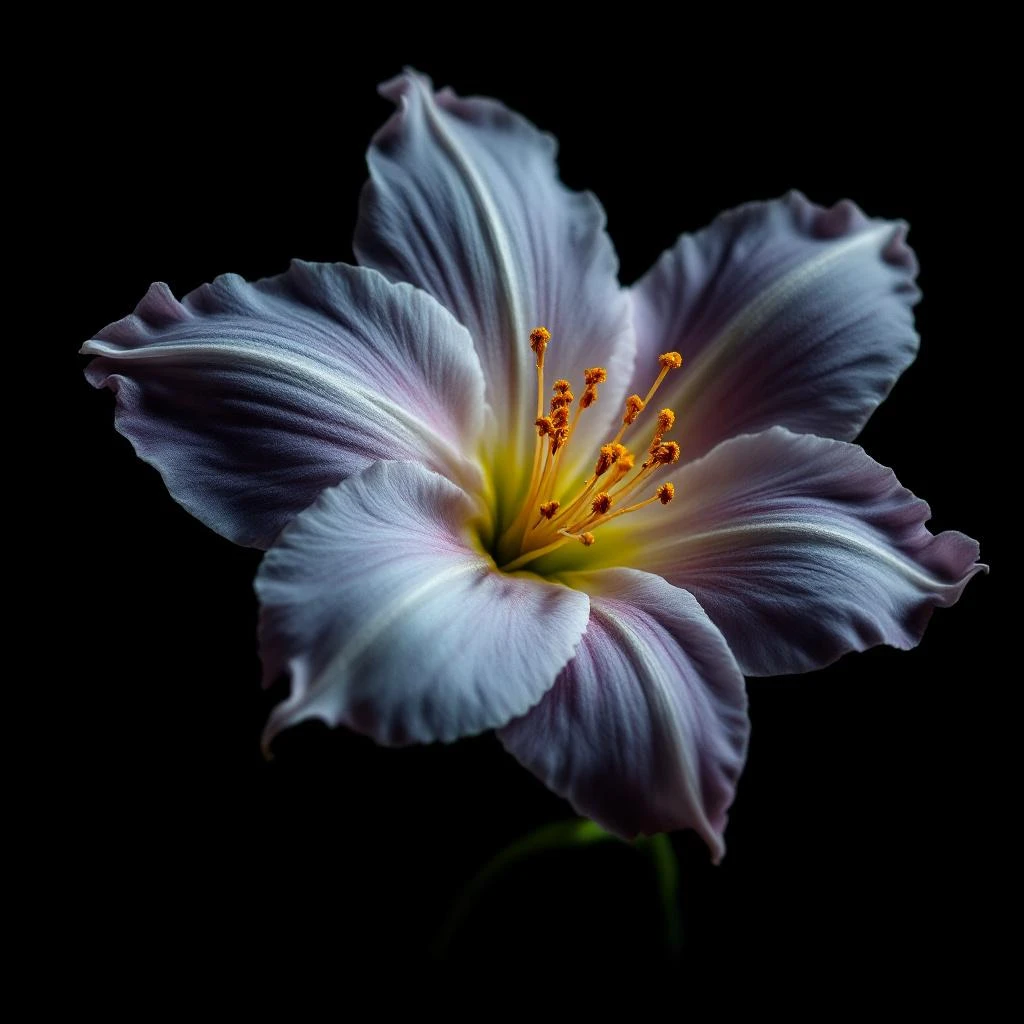
Indian Jasmine Sambac — the night-blooming sacred flower of India's temples and gardens. Its petals unfold after dusk, releasing a deeply intoxicating, floral richness prized above all others in fine perfumery. Harvested by hand before dawn.
Heritage
Jasmine Sambac originates from South and Southeast Asia and has been cultivated in India for centuries. The flower holds sacred status in Hindu and Islamic traditions, used to adorn temples and fill courtyards with fragrance. The word "sambac" itself comes from an Arabic root meaning jasmine oil, reflecting the trade networks that have long carried this ingredient across regions. During the 1400s, jasmine reached royal gardens across Afghanistan, Nepal, and Persia through established trade routes. The Arab trade network later introduced jasmine to Europe between the 1550s and 1600s, and the continent's emerging perfume industry quickly recognized its value. Jasmine Sambac has remained a cornerstone of fine fragrance ever since, with production concentrated in Tamil Nadu and Karnataka. India remains the world's primary producer of Sambac jasmine.
At a Glance
3
Feature this note
Floral
Olfactive group
India
Primary source region
Ingredient Details
Solvent extraction
Flower petals
Did You Know
"Flowers must be picked at night when they open. Each jasmine bloom closes again by dawn, so harvest windows are brutally short."