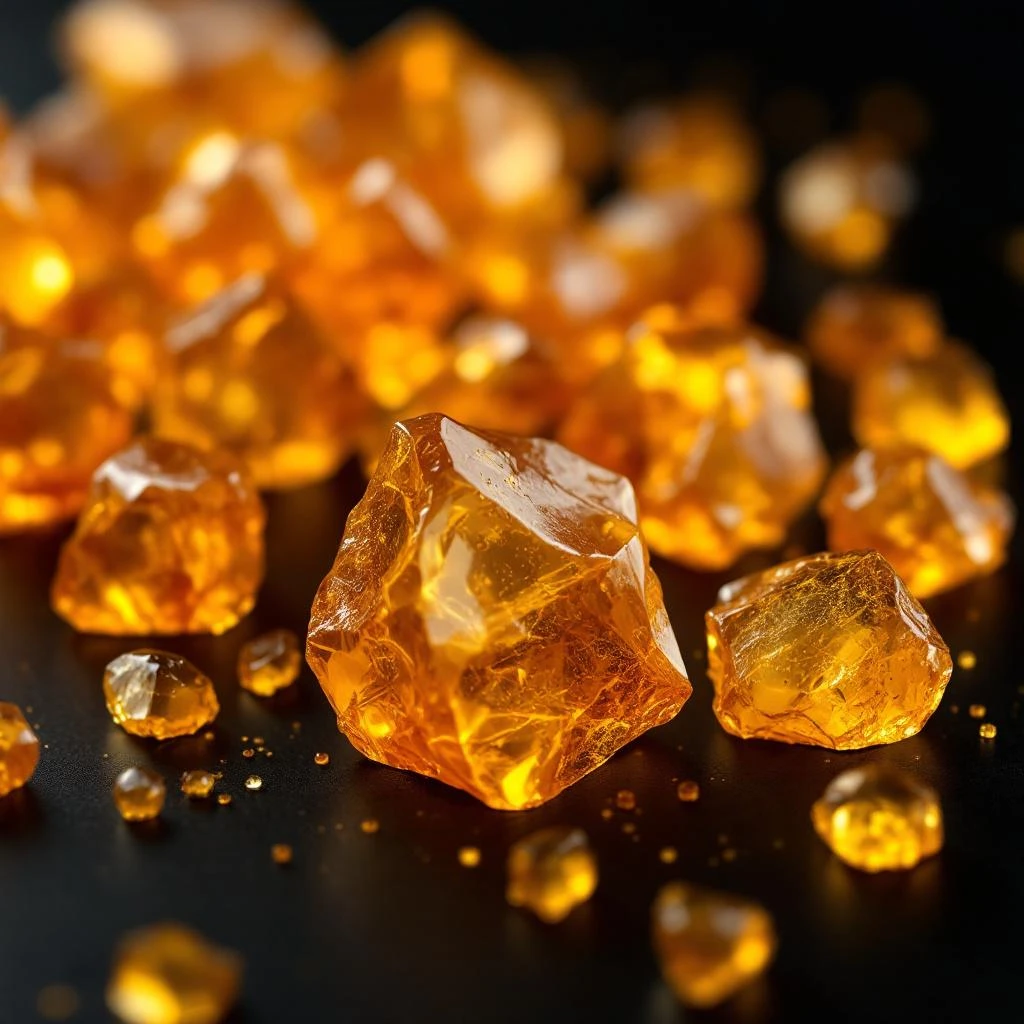
Green Amber
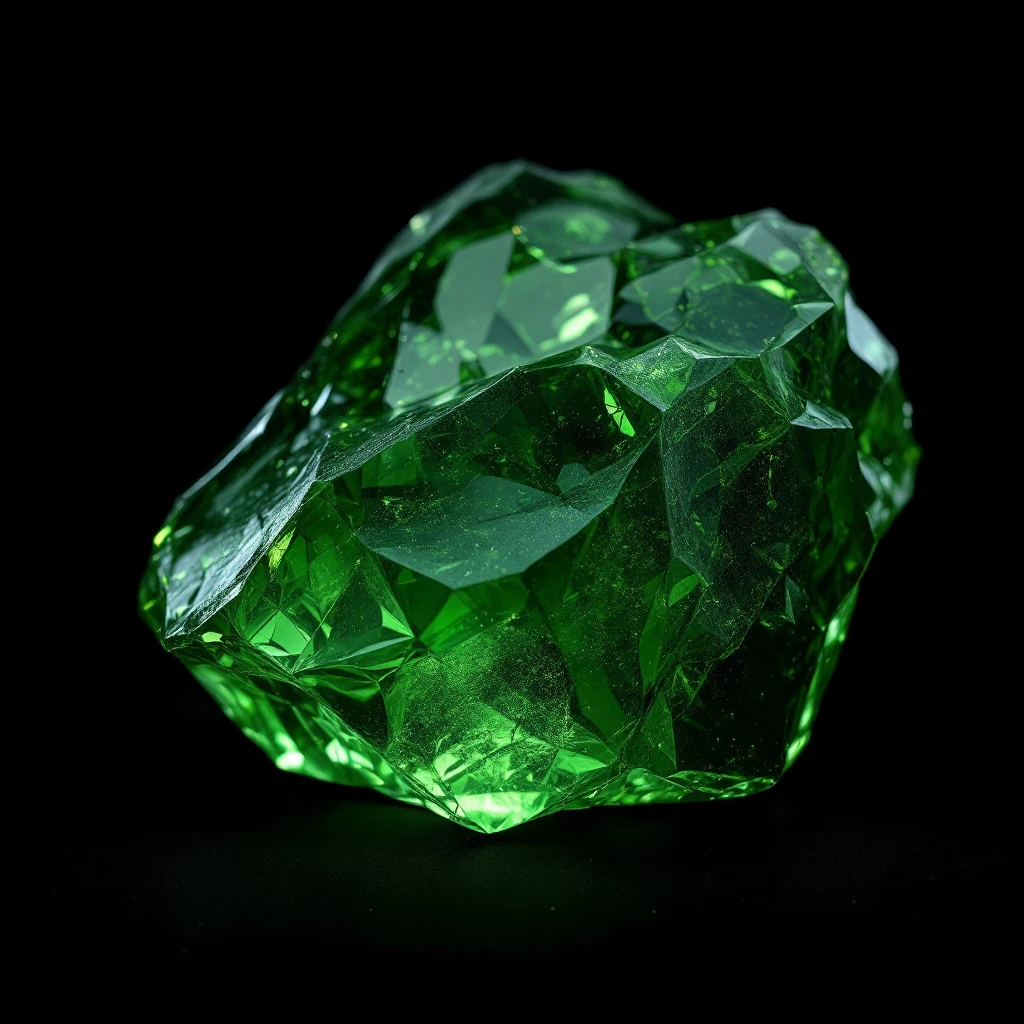
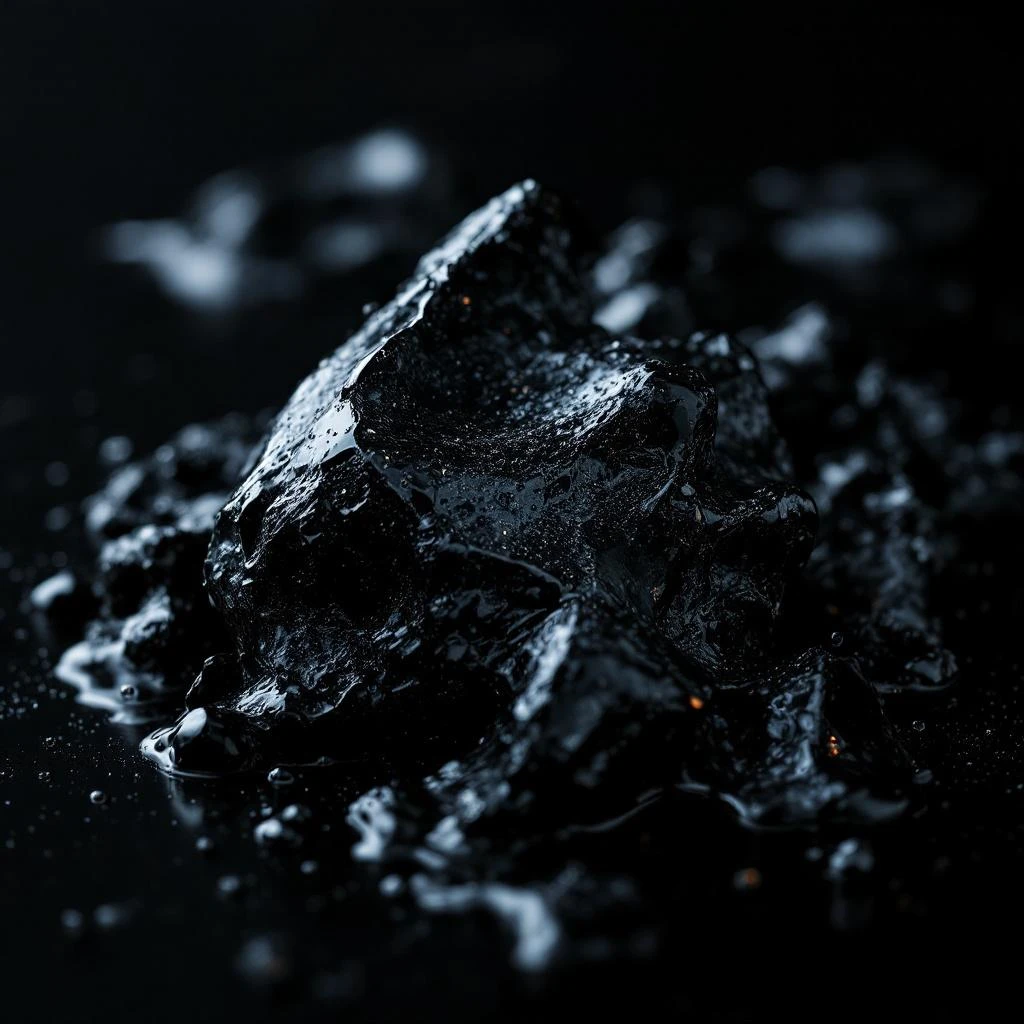
Green Amber flips the warm, resinous classic on its head: the same labdanum and benzoin backbone, but brightened with crisp green notes and aromatic herbs. It smells like sunlight through leaves meeting golden resin on warm bark.
Character
How it smells
Amber's bright, botanical cousin
Green Amber is not a single material but a modern accord, and no fixed recipe exists; perfumers build each version from scratch, layering galbanum, fig leaf, or pine needle over a labdanum base.
Pairs beautifully with

Origin
Mediterranean Basin
Amber as a perfumery concept dates back centuries, traditionally built from labdanum, benzoin, and vanilla-rich resins. The term itself referred to an accord, a constructed impression of warmth and gold, rather than any single ingredient. Oriental perfume traditions in the Middle East relied on heavy amber bases featuring balsam tolu, tonka, and patchouli layered over labdanum.
Green Amber as a distinct category is far more recent, emerging in the late 20th century as perfumers began experimenting with fresher, more transparent compositions. The shift reflected a broader movement in fragrance away from dense, sweet orientals toward lighter, more naturalistic profiles. Galbanum, a green resin used in ancient Egyptian ritual oils, became the key bridge material, lending brightness without losing depth.
By the 1990s, niche and mainstream houses alike began marketing green-leaning amber compositions, positioning them as modern interpretations of a classical idea. The category also aligned with growing interest in natural-smelling fragrances, where botanical green notes suggested crushed leaves and resinous bark rather than the syrupy vanillic warmth of traditional amber. Today, Green Amber represents one of the more flexible accords in contemporary perfumery, adaptable to both fresh and deep interpretations.
Wears it best
Fragrances featuring Green Amber
Brands
Brands known for Green Amber
Good to know
Questions, answered
The essentials on Green Amber in perfumery: how it smells, where it comes from, and how it behaves on skin.
Is Green Amber a natural ingredient?
Green Amber is an accord, not a single natural ingredient. It combines natural materials like labdanum and benzoin with green additions such as galbanum or fig leaf, and the recipe varies by perfumer.
How does Green Amber differ from classic amber?
Classic amber emphasizes warm, sweet, vanillic resinous depth. Green Amber keeps the resinous base but adds crisp, herbaceous, or leafy top notes, producing a fresher and more transparent effect.
What materials create the green effect in Green Amber?
Perfumers most commonly use galbanum resin for sharp bitterness, fig leaf absolute for leafy greenness, and sometimes pine needle or clary sage oils to brighten the resinous base.
Is Green Amber sustainable to produce?
Sustainability varies by component. Labdanum harvesting from wild Cistus shrubs in Spain and Portugal is generally low-impact, while newer supercritical CO2 extraction methods reduce solvent waste compared to traditional techniques.
When did Green Amber appear in perfumery?
Green Amber as a defined category emerged in the late 20th century, gaining traction in the 1990s as perfumers moved away from dense, sweet orientals toward lighter, more botanical compositions.
Does Green Amber contain real amber or fossilized resin?
No. Despite the name, Green Amber contains no fossilized tree resin. The word amber here refers to a constructed fragrance accord, a tradition dating back centuries in perfumery.
What fragrance families feature Green Amber?
Green Amber appears across multiple families, including aromatic, fougère, chypre, and modern oriental compositions, where it adds lift and transparency to heavier bases.
Can Green Amber be replicated synthetically?
Yes. Many modern Green Amber accords use synthetic aroma chemicals such as Iso E Super, Cashmeran, and green aldehydes to approximate the natural resin-plus-leaf effect at lower cost.