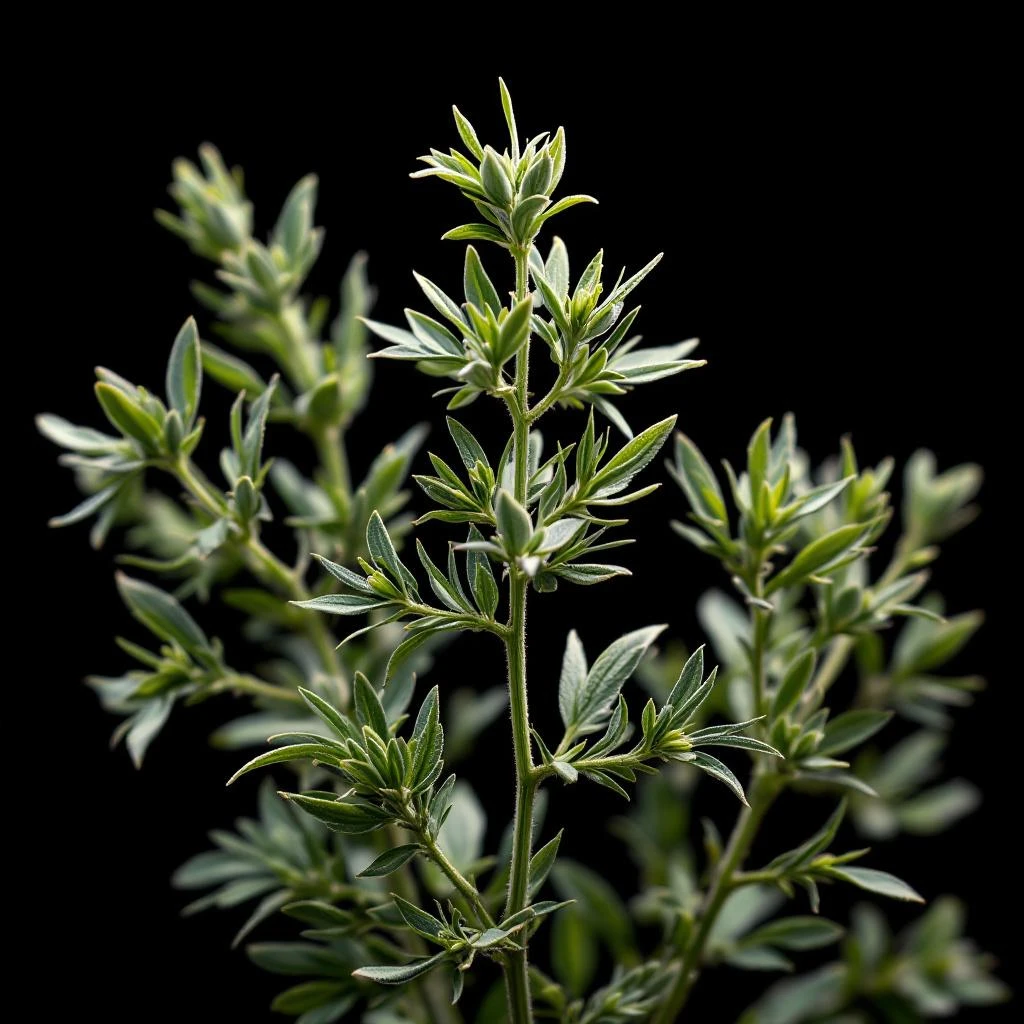
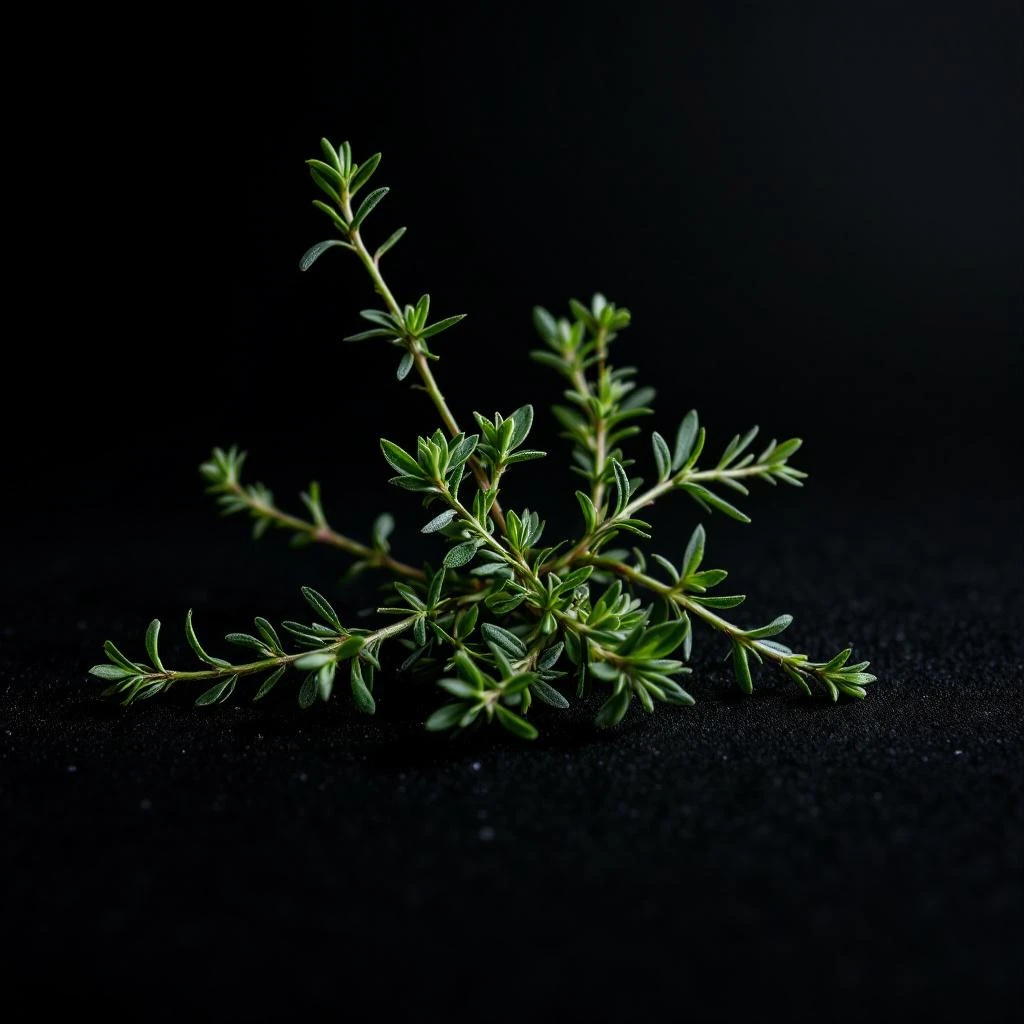
Gray Sagewort
Gray Sagewort delivers a complex aromatic experience that bridges medicinal bitterness with aromatic warmth. Native to North American prairies, this botanical yields an essential oil prized for its herbaceous depth and medicinal edge, earning its place as a sophisticated perfumery ingredient.
Character
How it smells
Bitter herb meets prairie wisdom.
Artemisia species grow wild across continents, making this ingredient one of perfumery's most readily available naturals.
Origin
United States
Gray Sagewort carries the botanical name Artemisia vulgaris, honoring Artemisia, Queen of Caria and sister to King Mausolus. Ancient Greek traditions associated this plant with the goddess Artemis, goddess of wilderness and childbirth.
Indigenous peoples across North America used various Artemisia species in ceremonial practices and medicinal preparations. European herbalists documented widespread use of wormwood relatives for digestive remedies and topical applications.
The plant's bitter principles made it valuable for flavoring beverages before hops became standard. Perfumery adopted Artemisia extracts for their complex aromatic profiles, finding that the herb's medicinal quality adds sophistication when balanced with sweeter notes.
Good to know
Questions, answered
The essentials on Gray Sagewort in perfumery: how it smells, where it comes from, and how it behaves on skin.
What does Gray Sagewort smell like?
Gray Sagewort essential oil presents sharp, camphorated top notes with herbaceous undertones. The scent carries medicinal and bitter qualities typical of Artemisia species, balanced by warm, slightly sweet base notes that develop during dry-down.
Is Gray Sagewort a natural ingredient?
Yes, Gray Sagewort is a natural botanical ingredient derived from Artemisia vulgaris. Perfumers obtain the aromatic oil through steam distillation of the plant's leaves, preserving the herb's complex natural chemistry.
What fragrance families use Gray Sagewort?
Perfumers incorporate Gray Sagewort in herbal, aromatic, and fougere fragrance families. It works particularly well in compositions targeting natural, outdoorsy, or medicinal aesthetic directions.
Does Gray Sagewort have therapeutic properties?
Traditional aromatherapy attributes calming and grounding properties to Artemisia oils. The thujone and camphor content creates a sharp, clarifying effect often used in aromatherapy applications, though perfumery focuses on its aromatic qualities.
Is Gray Sagewort expensive to source?
Gray Sagewort costs less than many exotic perfumery ingredients because the plant grows abundantly across North America and other continents. Unlike rare botanicals requiring specialized cultivation, this material sources readily from wild stands and cultivated crops.
What parts of the Gray Sagewort plant are used in perfumery?
Perfumers use only the leaves of Gray Sagewort for extraction. Leaves contain the highest concentration of volatile aromatic compounds. Stems and flowers yield minimal fragrance value by comparison.
How long has Gray Sagewort been used in perfumery?
Artemisia species entered perfumery during the modern botanical extraction era, though herbal applications date back millennia. The plant's transition from medicinal herb to aromatic ingredient occurred gradually as extraction methods improved.
Can Gray Sagewort cause skin sensitivity?
Like many essential oils, Gray Sagewort oil may cause sensitivity in concentrated form. The thujone content warrants dilution and caution. Professional formulators observe IFRA guidelines for safe usage concentrations in finished products.