Grape Jelly
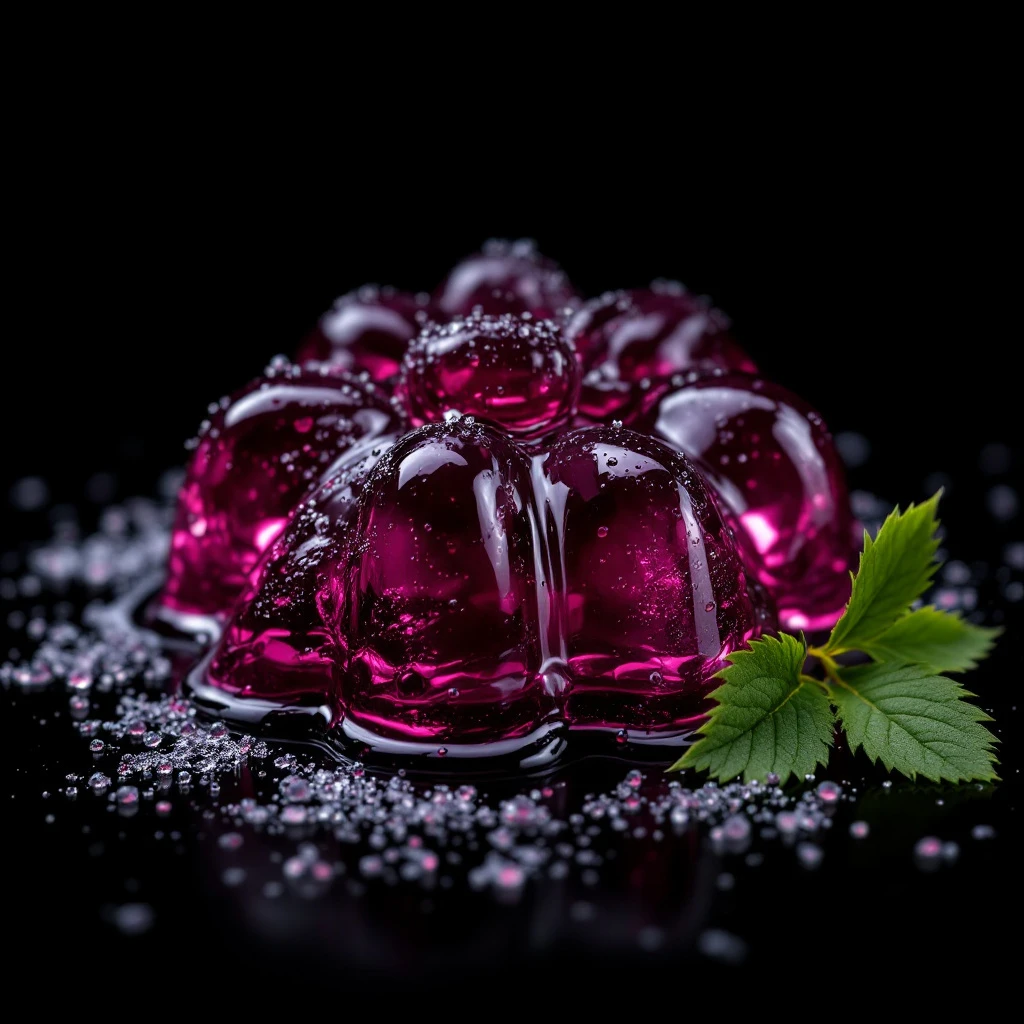
Grape Jelly captures the jammy, slightly tart sweetness of ripe Concord grapes in a bottle. This playful gourmand note brings instant comfort and nostalgia to fragrance compositions.
Character
How it smells
Sweet nostalgia in a bottle
Methyl anthranilate, the key aroma compound in Concord grapes, was first synthesized in the laboratory in 1863.
Pairs beautifully with
Origin
Germany
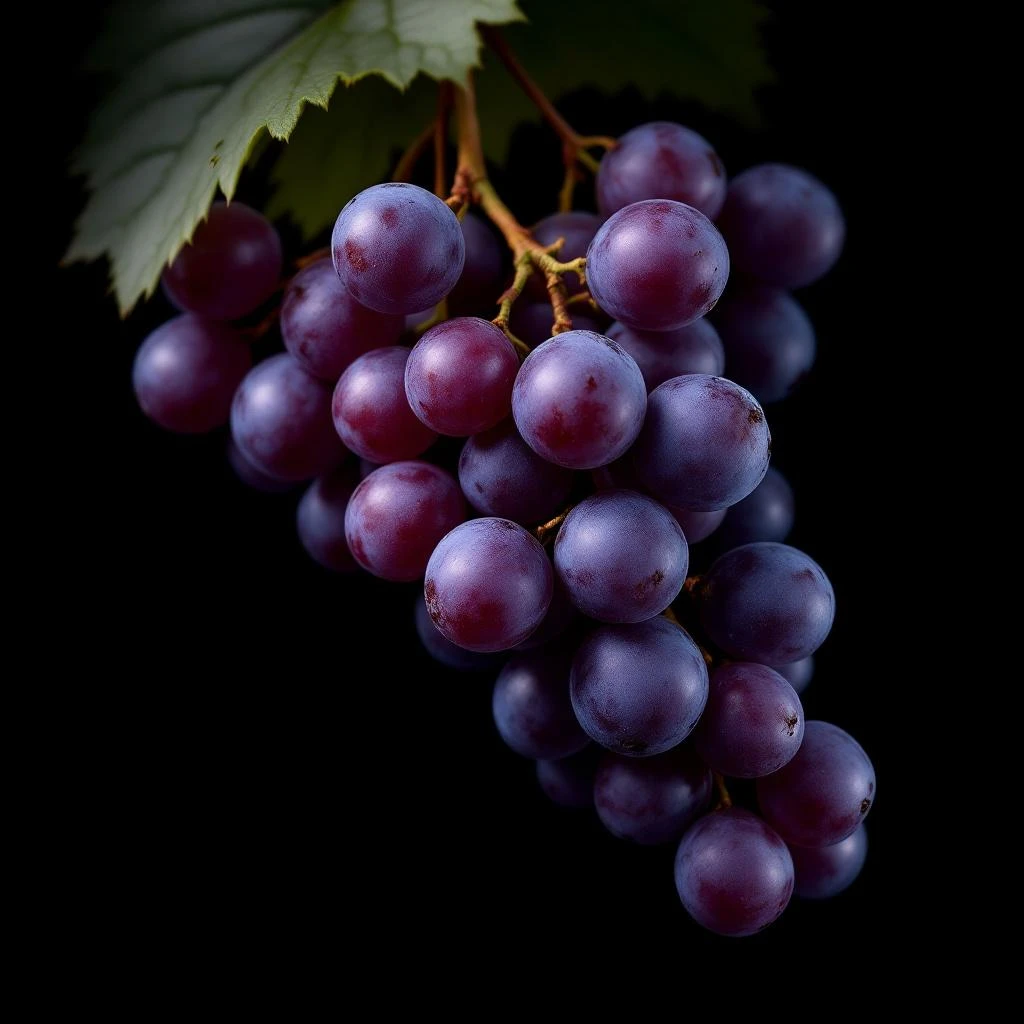
The Grape Jelly note emerged from the intersection of food science and fragrance creativity. Methyl anthranilate, the primary aromatic molecule, was first synthesized in 1863, though its potential for perfumery took decades to recognize.
Food manufacturers began using grape flavors extensively in the mid-20th century, but perfumers only adopted the concept for fragrance during the 1980s gourmand revolution. This era saw designers embrace sweet, edible-smelling notes as a rebellion against heavy chypres and orientals. Grape Jelly offered something new: a playful, approachable character that evoked childhood memories without feeling childish. Today it remains a favorite for adding warmth and accessibility to contemporary compositions.
Wears it best
Fragrances featuring Grape Jelly
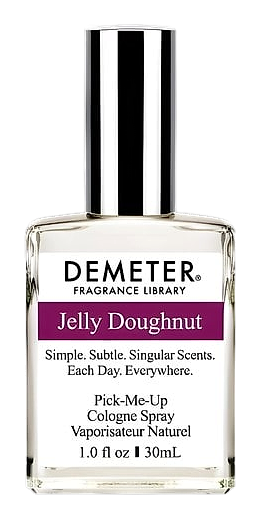
Brands
Brands known for Grape Jelly
Good to know
Questions, answered
The essentials on Grape Jelly in perfumery: how it smells, where it comes from, and how it behaves on skin.
What creates the grape jelly aroma in perfume?
The grape jelly note comes from synthetic aromatic compounds, primarily methyl anthranilate combined with fruit esters. These lab-created molecules replicate the candied, jammy character of real grape preserves.
Is grape jelly a natural or synthetic fragrance ingredient?
Grape jelly is a synthetic ingredient. While methyl anthranilate exists naturally in Concord grapes, perfumers use the lab-synthesized version for consistency and cost efficiency.
When did grape jelly notes first appear in perfumery?
Grape jelly notes gained popularity during the 1980s gourmand fragrance trend. Perfumers began incorporating food-inspired scents as consumers sought more approachable, playful fragrance profiles.
How do perfumers create the jammy quality in grape notes?
Perfumers layer methyl anthranilate with ionones and fruit esters to build the rich, concentrated quality of grape jelly. The effect mimics the reduction process that creates real jelly from fresh fruit.
What fragrances feature grape jelly as a prominent note?
Grape jelly appears across many gourmand fragrances, particularly from brands like TokyoMilk and Dolce & Gabbana. It works well in both standalone fruity compositions and as a supporting note in dessert-inspired fragrances.
What other notes pair well with grape jelly in fragrance?
Vanilla, cream, and other sweet bases enhance the jelly character. Florals like peony and rose soften the effect, while berry and cherry notes amplify the fruitiness.
Does grape jelly smell like actual grape jelly?
The synthetic compounds closely replicate the sweet, candied quality of real grape jelly. The Concord grape variety provides the most authentic reference point due to its intense, jammy character.
Why do perfumers use grape jelly in fragrance compositions?
Grape jelly adds warmth, playfulness, and emotional resonance. The note evokes comfort and nostalgia while providing a distinctive fruity character that differentiates fragrances from generic berry compositions.