French lilac
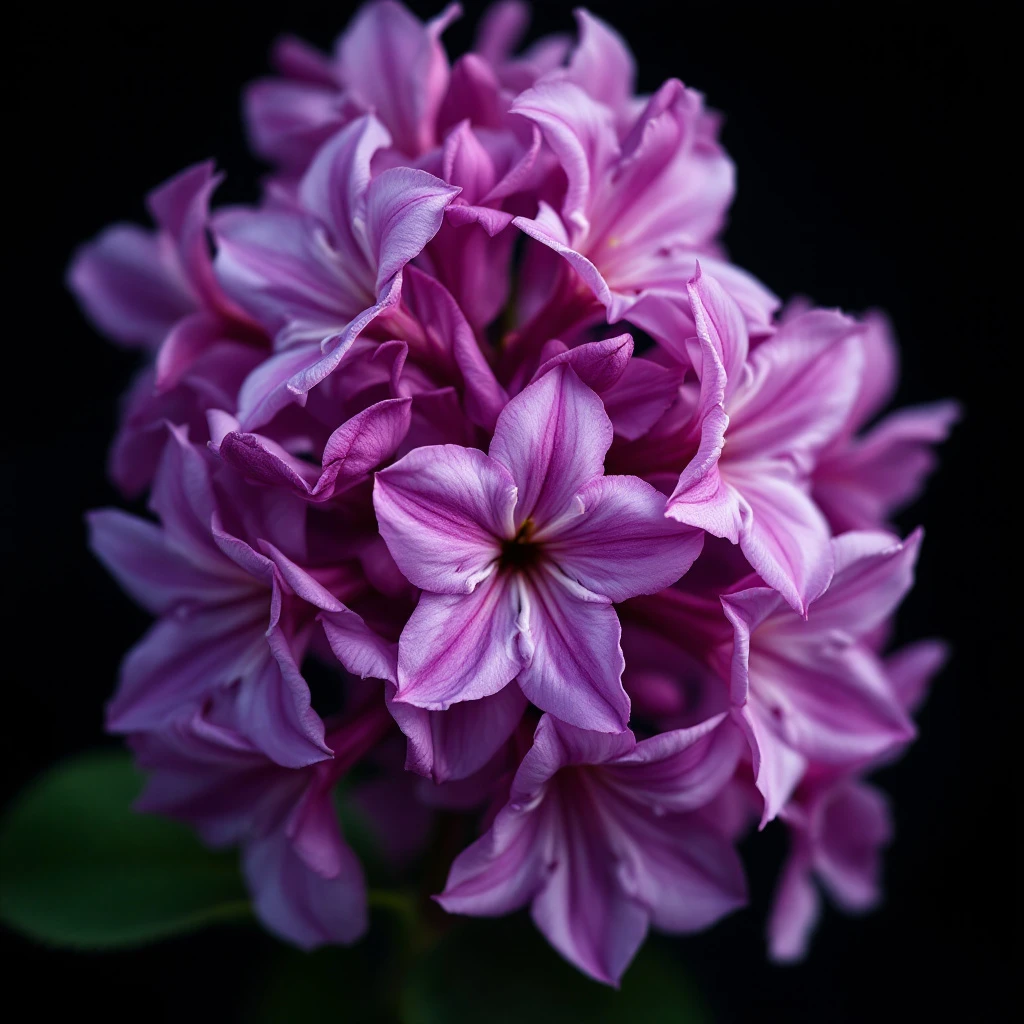
Lilac's legendary fragrance cannot be extracted—nature designed it to vanish when picked. Perfumery recreates this spring bloom using aromatic molecules that capture its dewy, green floral character.
Character
How it smells
The spring bloom perfumery had to reinvent from scratch.
In France, lilac symbolizes first love and spring's arrival, yet no perfumer has ever bottled its true scent directly from the flower.
Pairs beautifully with



Origin
Iran
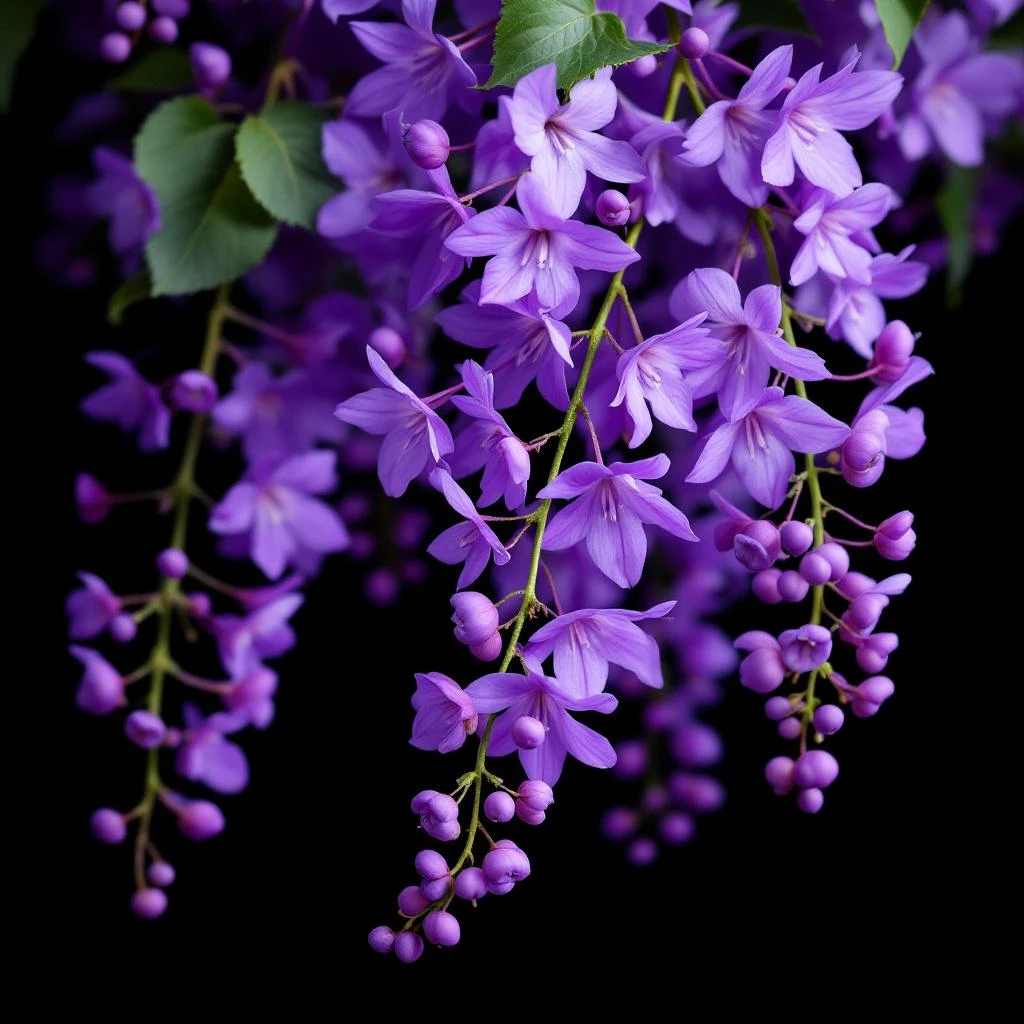
Lilacs traveled to Western Europe through Spain from Iran during the 16th century, carried by Arab traders. French horticulturists fell particularly hard for this shrub, developing hundreds of cultivars in the centuries that followed. The flower acquired deep cultural roots in France, adorning gardens and appearing in poetry as a symbol of spring's first emotional stirrings.
When French perfumers in Grasse wanted to capture lilac for their spring compositions, they faced an impossible task. The extraction methods that worked for other flowers, steam distillation and solvent extraction, produced nothing from lilac petals. This extraction failure pushed perfumers toward synthesis decades earlier than they might otherwise have gone.
By the 1890s,重现 synthetic lilac accords appeared in perfumes, using hydroxycitronellal as a foundation. The flower that symbolized renewal became one of perfumery's most carefully reconstructed scents, its true fragrance preserved only in memory and imagination until chemistry could rebuild it molecule by molecule.
Wears it best
Fragrances featuring French lilac
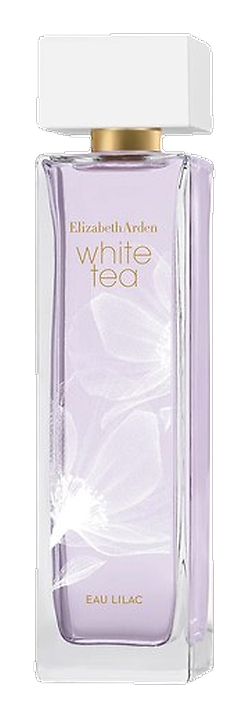
Brands
Brands known for French lilac
Good to know
Questions, answered
The essentials on French lilac in perfumery: how it smells, where it comes from, and how it behaves on skin.
Why cannot perfumers extract lilac scent directly from the flower?
No extraction method yields usable fragrance from lilac. The volatile compounds responsible for its scent begin degrading immediately upon cutting the flower. Steam distillation, solvent extraction, enfleurage, and CO2 extraction all fail to capture anything from Syringa vulgaris petals.
What synthetic molecules create the lilac accord in perfumery?
Hydroxycitronellal serves as the primary foundation for lilac recreation. Perfumers layer it with terpineol, phenylacetaldehyde, and newer captive molecules to build a convincing lilac accord that captures the flower's dewy, green-floral character.
Which classic perfumes made lilac famous as a note?
Several perfumes established lilac as a recognized fragrance note. Canoe by Dana (1937) featured lilac prominently for its time. Modern fragrances like Tocade by Rochas and Dolce Piccantino by Dolce & Gabbana have used lilac reconstruction in their spring compositions.
Does any natural alternative exist to synthetic lilac?
No natural equivalent exists. While violet leaf absolute and certain iris materials provide green-floral qualities that complement lilac accords, they cannot substitute for the specific scent profile of Syringa vulgaris. True lilac fragrance remains exclusively synthetic.
When did perfumers first successfully recreate lilac scent?
French perfumers developed the first synthetic lilac accord in the 1890s using hydroxycitronellal, which had been synthesized in 1905. This made lilac one of the first major floral notes reconstructed entirely through aromatic chemistry rather than botanical extraction.
Is there a difference between French lilac and regular lilac in perfumery?
No material difference exists. The term French lilac references the flower and its cultural associations with French gardens rather than any specific production method or origin. All lilac notes in perfumery are reconstructed synthetically, regardless of what the perfume label suggests.
What does lilac smell like in a fragrance composition?
A well-constructed lilac accord presents as dewy, green, and tenderly floral with powdery undertones. The scent evokes fresh spring air, morning gardens, and the particular sweetness of blooms that exist for only a few weeks each year.
Can I grow lilac for its fragrance at home?
Growing lilac yields visual and emotional rewards but not portable fragrance. The scent peaks when the flowers are still attached to the living plant. Cut stems lose their fragrance within minutes, which is precisely why perfumery turned to synthesis to capture this ephemeral spring note.