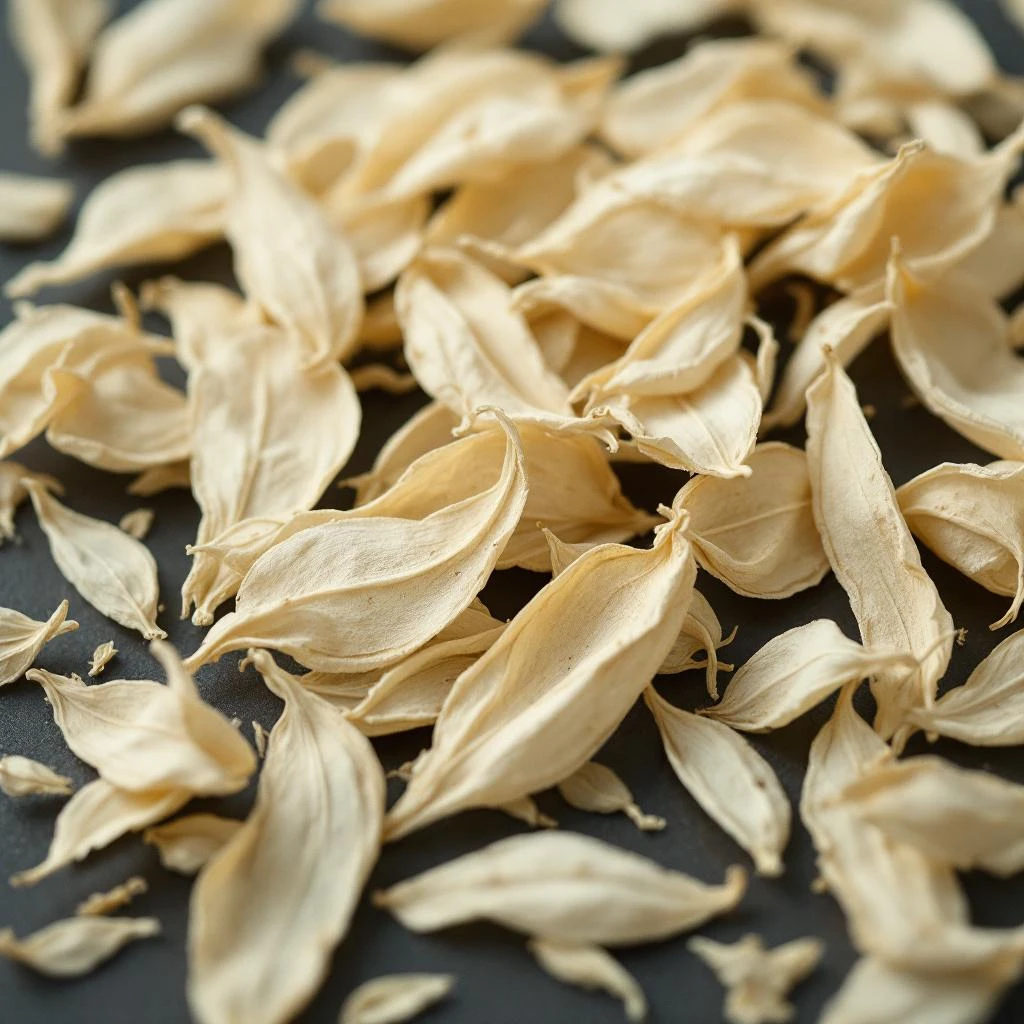
Character
How it smells
Where microbes meet millennia of tradition.
Pu-erh aged 30+ years can exceed $10,000 per kg—the tea actually improves with age, unlike most teas which go stale.
Origin
China
Pu-erh fermentation emerged as a Chinese tea preservation technique during the Tang Dynasty, developing in Yunnan Province where it became integral to regional trade. Unlike other teas that deteriorate over time, properly stored pu-erh improves—some cakes exceed 30 years of age, reaching extraordinary values. Tea entered Western fine fragrance primarily in the 20th century, with green tea accords peaking in late-1990s launches like Bvlgari Eau Parfumée au Thé Vert (1992) and Elizabeth Arden Green Tea (1999).
Fermented and smoky profiles followed later, inspiring darker compositions from niche houses seeking earthiness and depth. Modern Chinese houses like Chasense now collaborate with major fragrance ingredient companies to capture the full spectrum of Camellia sinensis varieties—Silver Needle white tea through darkly fermented Yunnan pu-erh—translating centuries of tea heritage into contemporary perfumery structures.
Good to know
Questions, answered
The essentials on Fermented Tea in perfumery: how it smells, where it comes from, and how it behaves on skin.
What does fermented tea smell like in perfume?
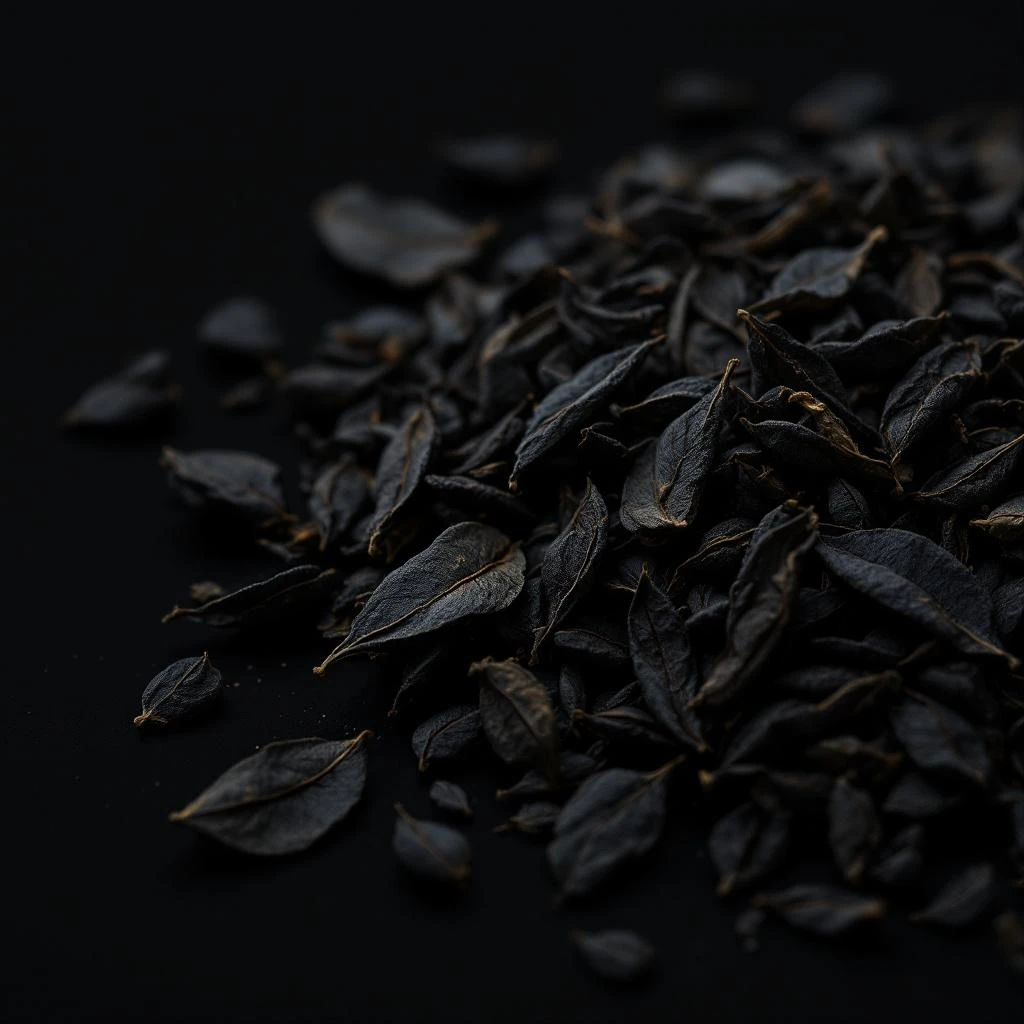
Fermented tea smells earthy, musty, and smoky with aged-wood undertones—not bright or tannic like fresh tea. The microbial fermentation creates geosmin and pyrazines that give a damp, alive quality distinct from green or black tea accords.
Is fermented tea used as a natural or synthetic ingredient?
Both forms exist but rarely. Natural tea absolute from solvent extraction costs 4,000-6,000 euros per kilogram, limiting use to premium niche fragrances. Most perfumers rely on reconstructed accords combining theaspirone, ionones, and related aroma chemicals.
What tea type defines fermented tea in perfumery?
Pu-erh defines the fermented tea category. Unlike oxidation (black tea), pu-erh undergoes microbial fermentation with Aspergillus niger, generating the spirocyclic compounds—particularly theaspirone—that create its signature musty, earthy profile.
What fragrances showcase fermented tea?
Dark tea and earthy compositions from niche houses typically showcase fermented profiles. Le Labo Thé Noir 29 features smoky black tea with fig and tobacco, representing a different register, while specialty artisan fragrances reference pu-erh's post-fermented character directly.
How does fermented tea differ from green tea in perfumery?
Green tea offers grassy, vegetal freshness and functions as a heart or top note. Fermented tea provides depth and earthiness, functioning in base compositions with darker, more complex aromatic compounds generated through microbial activity rather than oxidation.
What molecules create fermented tea's character?
Geosmin provides the earthy quality, while pyrazines contribute mustiness and methoxyphenols add smoky depth. Theaspirone and its derivatives serve as molecular markers of well-fermented tea—without these spirocyclic compounds, realistic fermented tea accords prove difficult to construct.
Where does pu-erh originate?
Pu-erh originates from Yunnan Province, China, where tea cultivation dates to the Tang Dynasty. The region's altitude and climate create conditions favorable for the controlled microbial fermentation that defines authentic pu-erh production.
Why is pu-erh unique among teas for perfumery?
Pu-erh improves with age rather than deteriorating, a property tied to its microbial fermentation. Some aged pu-erh exceeds 30 years and commands prices over $10,000 per kilogram—the only tea where age increases both culinary and aromatic value.