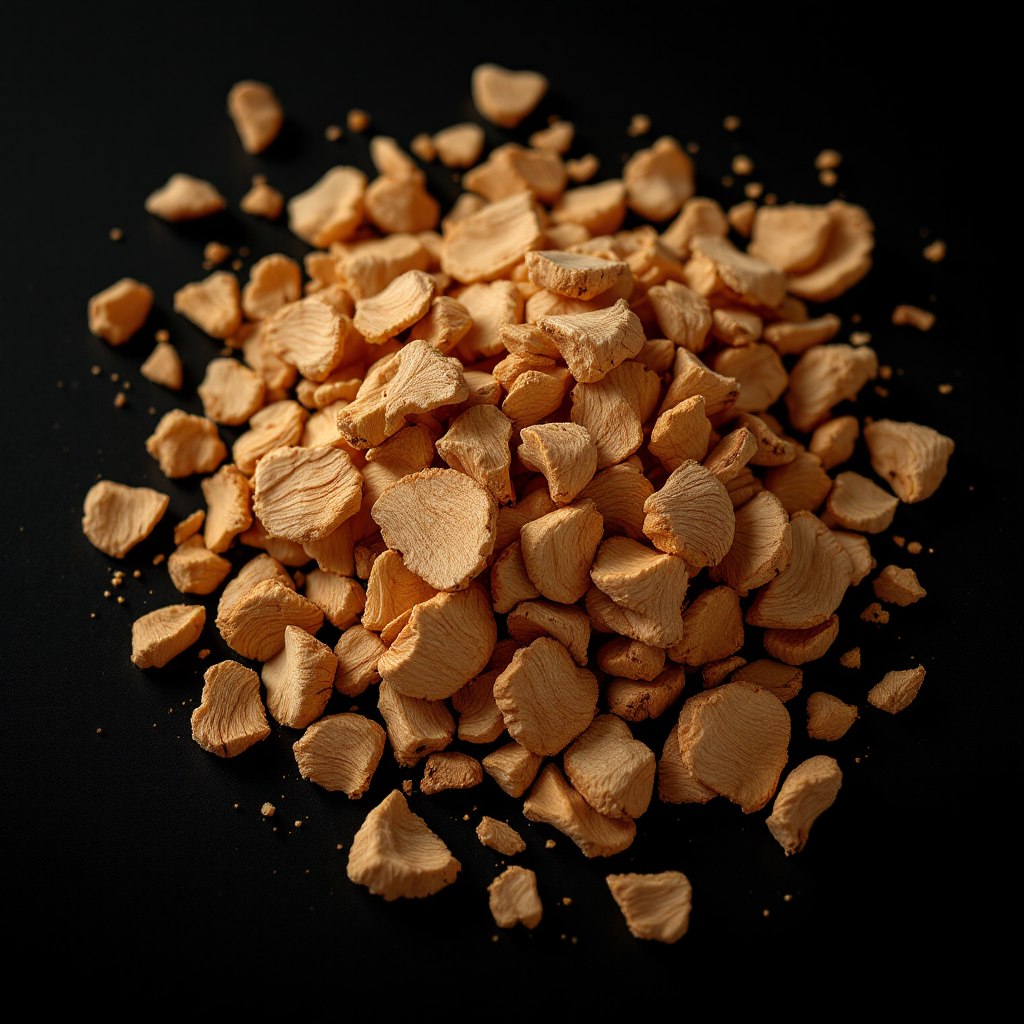
Damp Wood
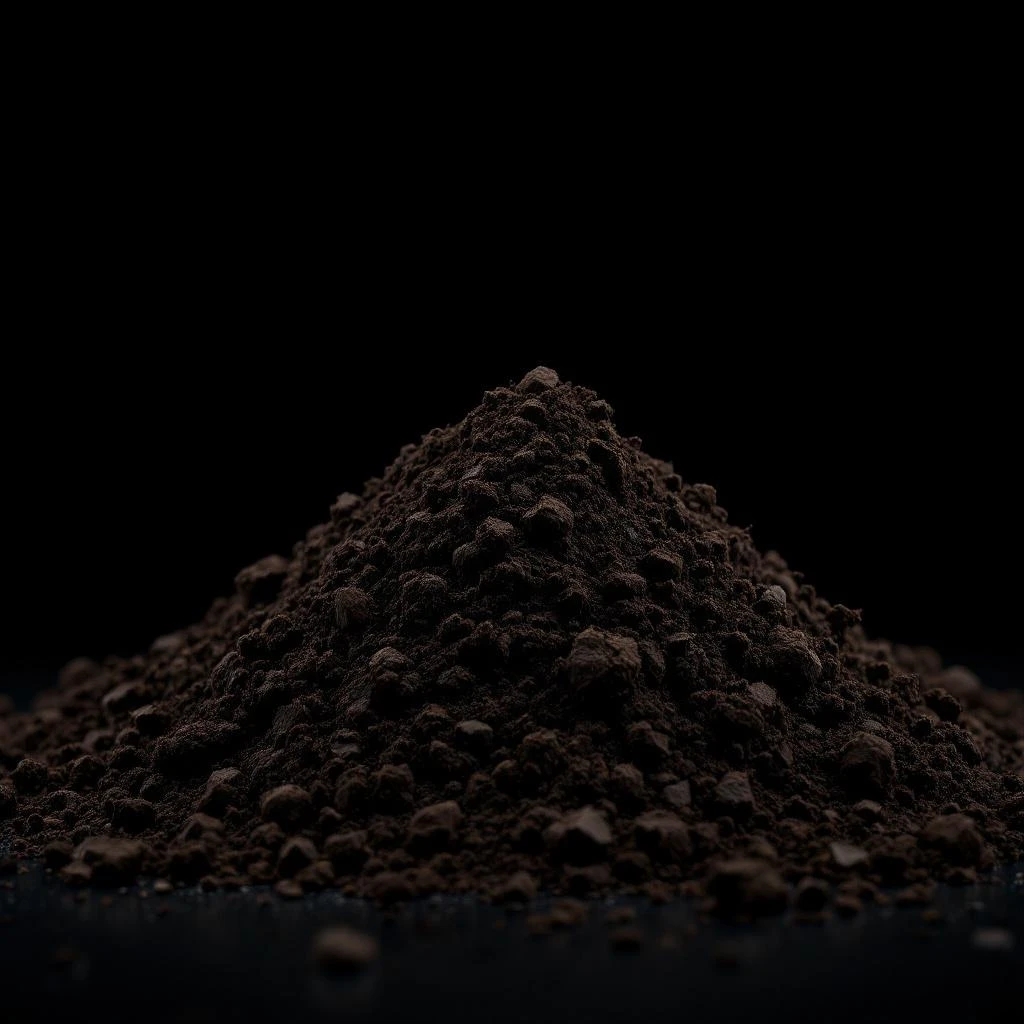
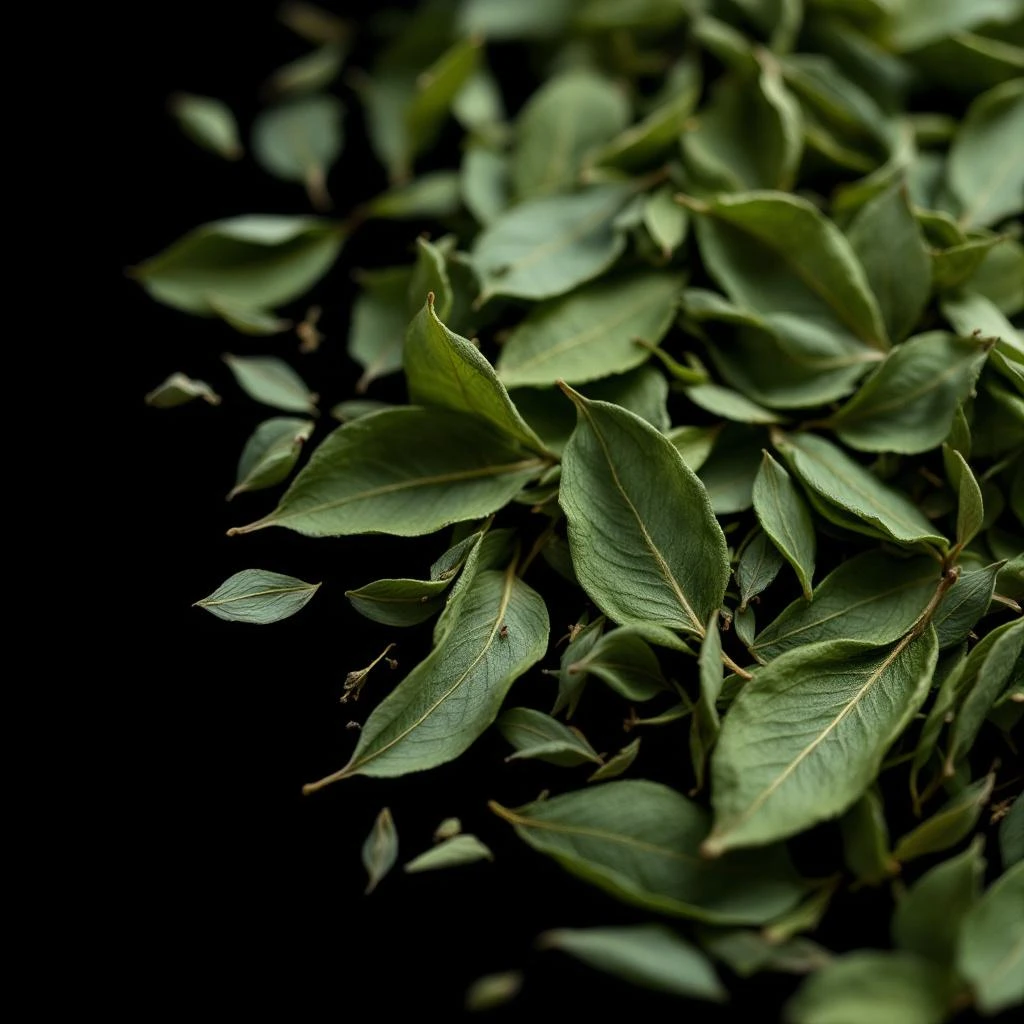
A perfumer's recreation of forest floor after rainfall: the deep, loamy scent of wet bark, crumbling fungi, and sun-warmed timber meeting storm-soaked earth.
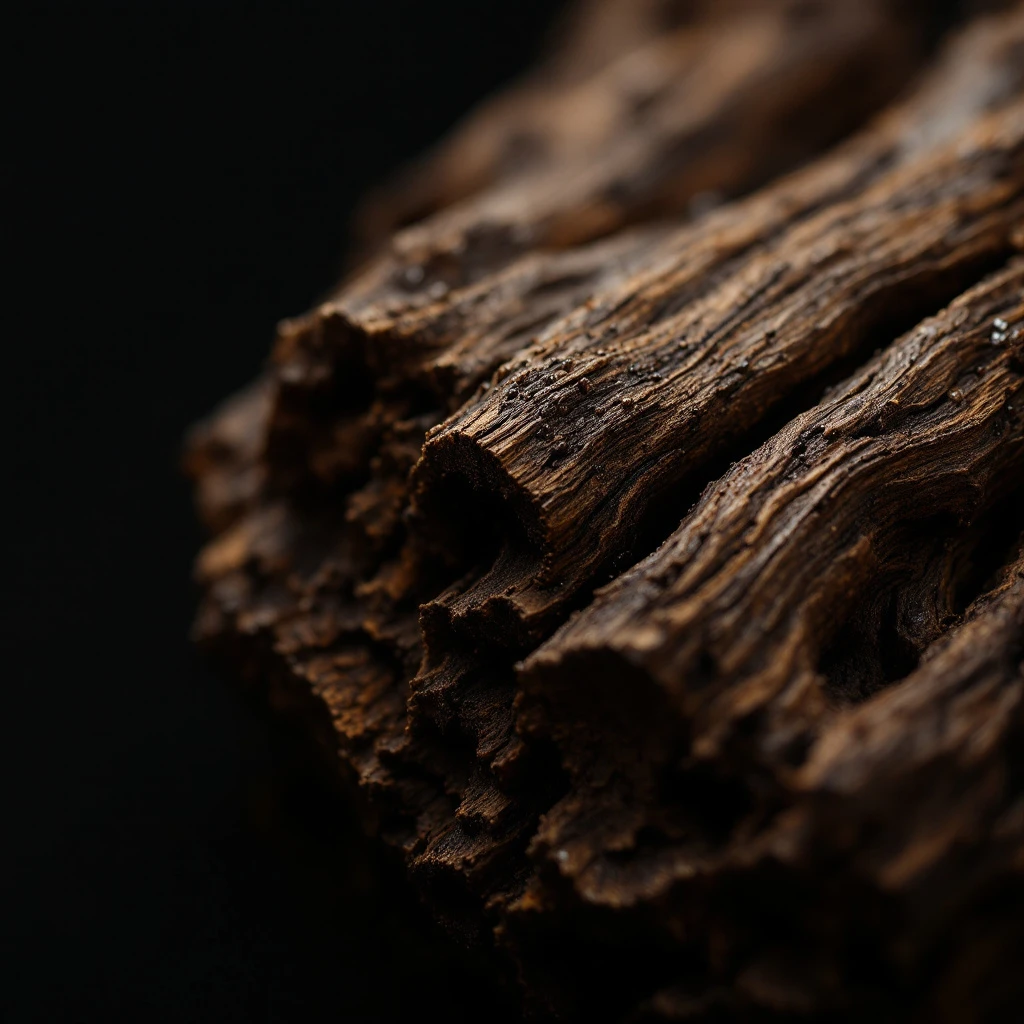
Character
How it smells
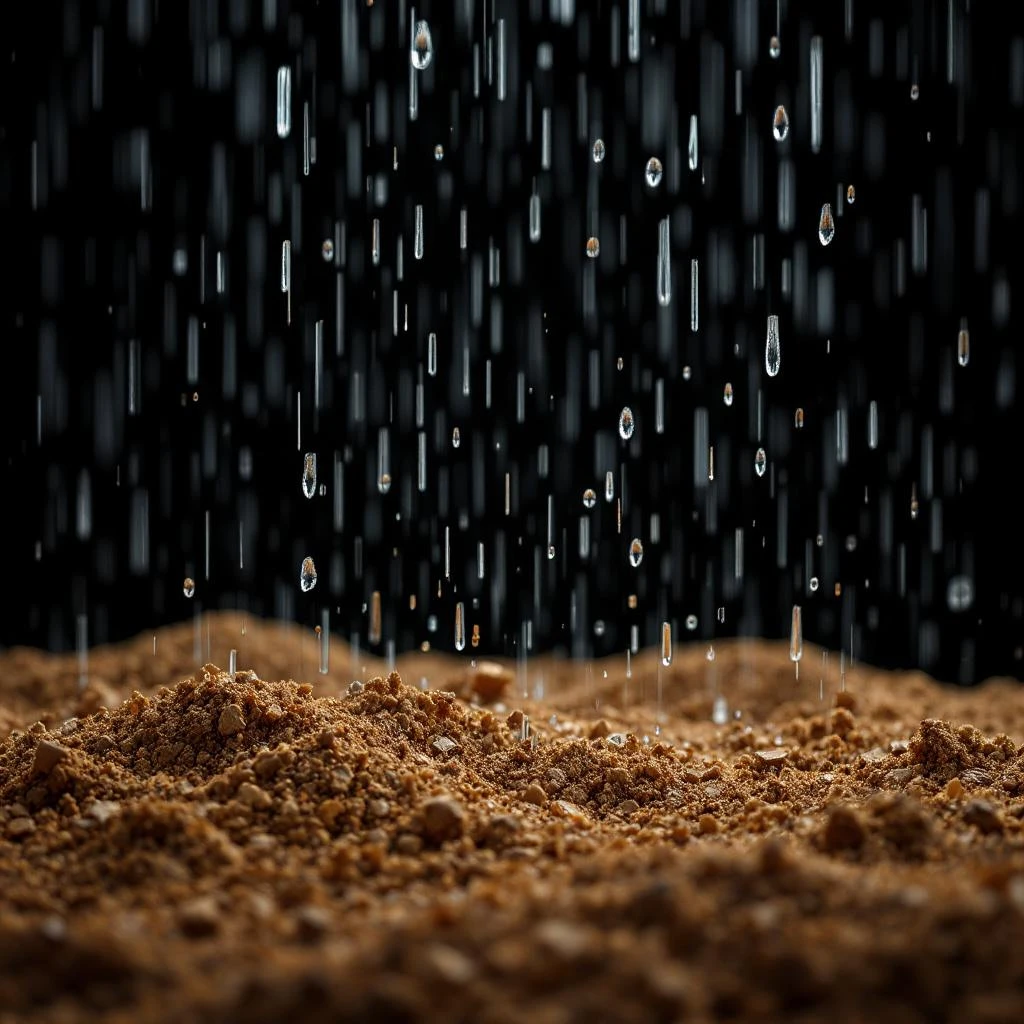
The scent of rain-soaked forest.
Geosmin, the compound that creates petrichor, is produced by soil bacteria called actinomycetes and detected by the human nose at just 0.4 parts per trillion.





Origin
France
Before perfumery had a vocabulary for atmospheric scents, ancient peoples encountered Damp Wood daily in rain-soaked forests. Nordic and Celtic cultures associated the petrichor scent with renewal and purification rituals conducted after storms. Japanese perfumers formalized this sensory experience through their concept of 'forest bathing' and the traditional use of hinoki cypress, whose wood scent transforms when wet.
Western perfumery only began isolating these atmospheric qualities in the late 20th century, when molecular research into geosmin and related compounds allowed perfumers to authentically reconstruct the smell of damp woodland environments. Today, Damp Wood accords appear in perfumes marketed toward consumers seeking nature-realistic rather than idealized scent profiles.
Wears it best
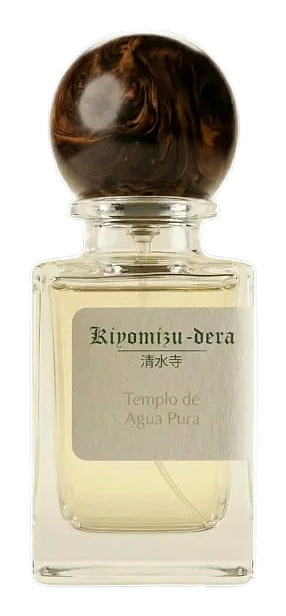
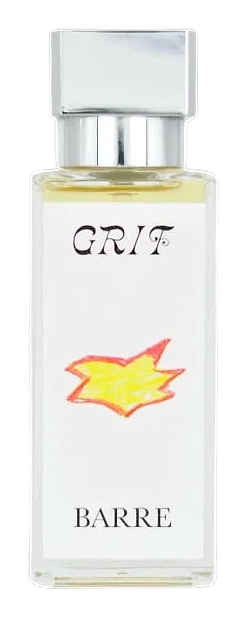
Fragrances featuring Damp Wood
Brands
Brands known for Damp Wood
Good to know
Questions, answered
The essentials on Damp Wood in perfumery: how it smells, where it comes from, and how it behaves on skin.
What does Damp Wood smell like?
Damp Wood captures the scent of wet timber and forest floors after rainfall. It combines earthy, musty, and slightly fungal notes with the mineral quality of rain-soaked soil. The effect is atmospheric and grounded rather than sweet or resinous.
Is Damp Wood a natural or synthetic ingredient?
Damp Wood is an accord created by perfumers, blending natural extracts like oakmoss with synthetic compounds such as geosmin and arborone derivatives. No single ingredient produces this atmospheric effect.
Which perfume families commonly use Damp Wood?
Damp Wood appears primarily in chypre, fougère, and woody fragrance families. It adds depth to masculine and unisex perfumes, though some feminine fragrances use it for an organic, grounded quality.
What gives Damp Wood its characteristic rain-like quality?
Geosmin, a compound released by soil bacteria when rain hits dry earth, provides the distinctive petrichor element in Damp Wood accords. Human noses detect geosmin at extremely low concentrations, making it one of the most recognizable scent compounds.
How long has Damp Wood been used in perfumery?
Perfumery began approximating damp wood scents centuries ago using natural materials. However, the explicit Damp Wood accord emerged in the late 20th century after researchers isolated the molecular compounds responsible for petrichor and wet earth characteristics.
What natural materials contribute to Damp Wood accords?
Oakmoss absolute provides the musty, green base. Birch tar oil adds smoky, wet bark character. Certain mushroom and fungi extracts contribute earthy umami notes. These naturals are combined with targeted synthetics to complete the accord.
Does Damp Wood differ between perfume houses?
Yes, significantly. Each perfumery house develops proprietary Damp Wood accords, varying the ratio of earthy moss notes versus rain-fresh aquatic elements versus deep fungal undertones. This creates distinct interpretations ranging from forest floor to cellar wood.
What mood does Damp Wood create in a fragrance?
Damp Wood evokes groundedness, naturalism, and atmospheric depth. It counteracts synthetic sweetness and adds an organic, lived-in quality that makes fragrances feel connected to natural environments rather than laboratory constructs.