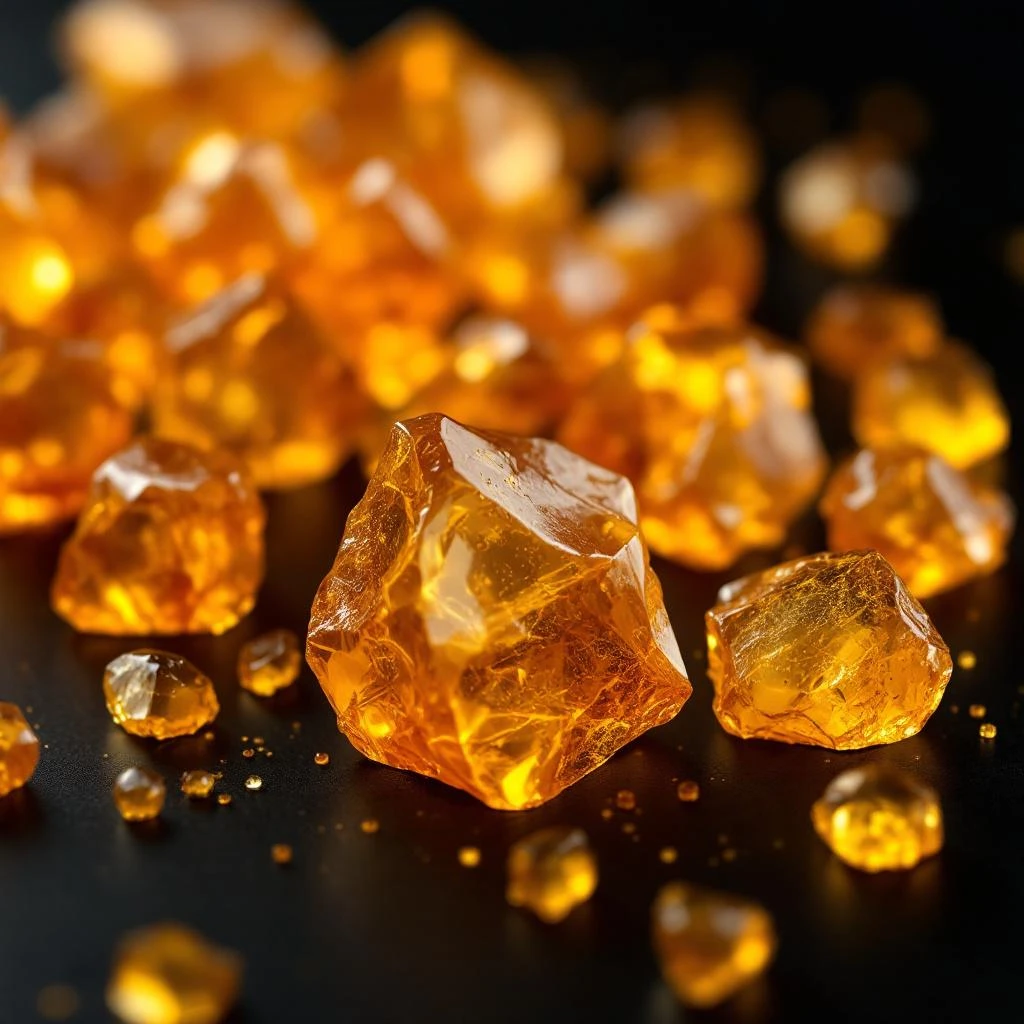
Cuban Amber
Cuban Amber captures the warmth of sunlit Caribbean resin, blending sweet balsamic depth with smoky, honeyed undertones. A modern accord that evokes golden horizons and quiet, salt-touched evenings.
Character
How it smells
Sun-warmed resin meets Caribbean soul
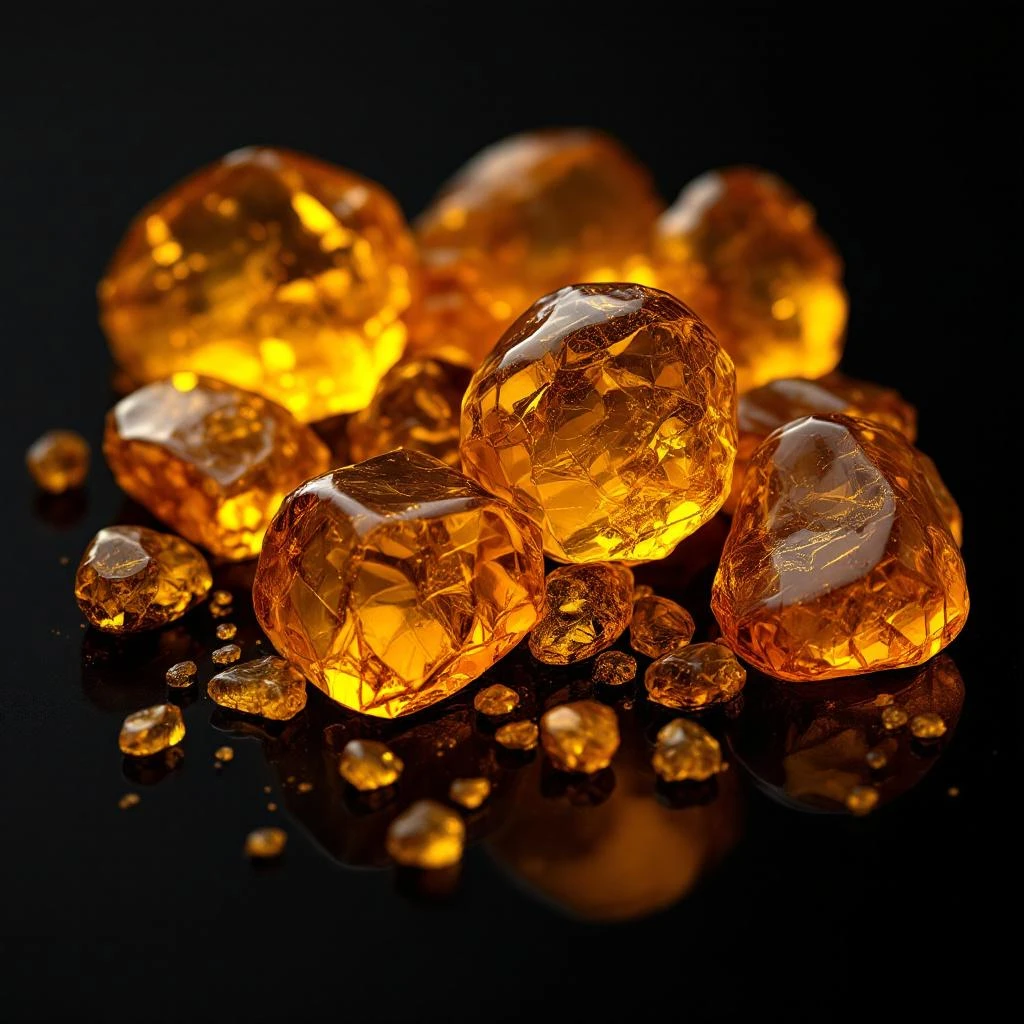
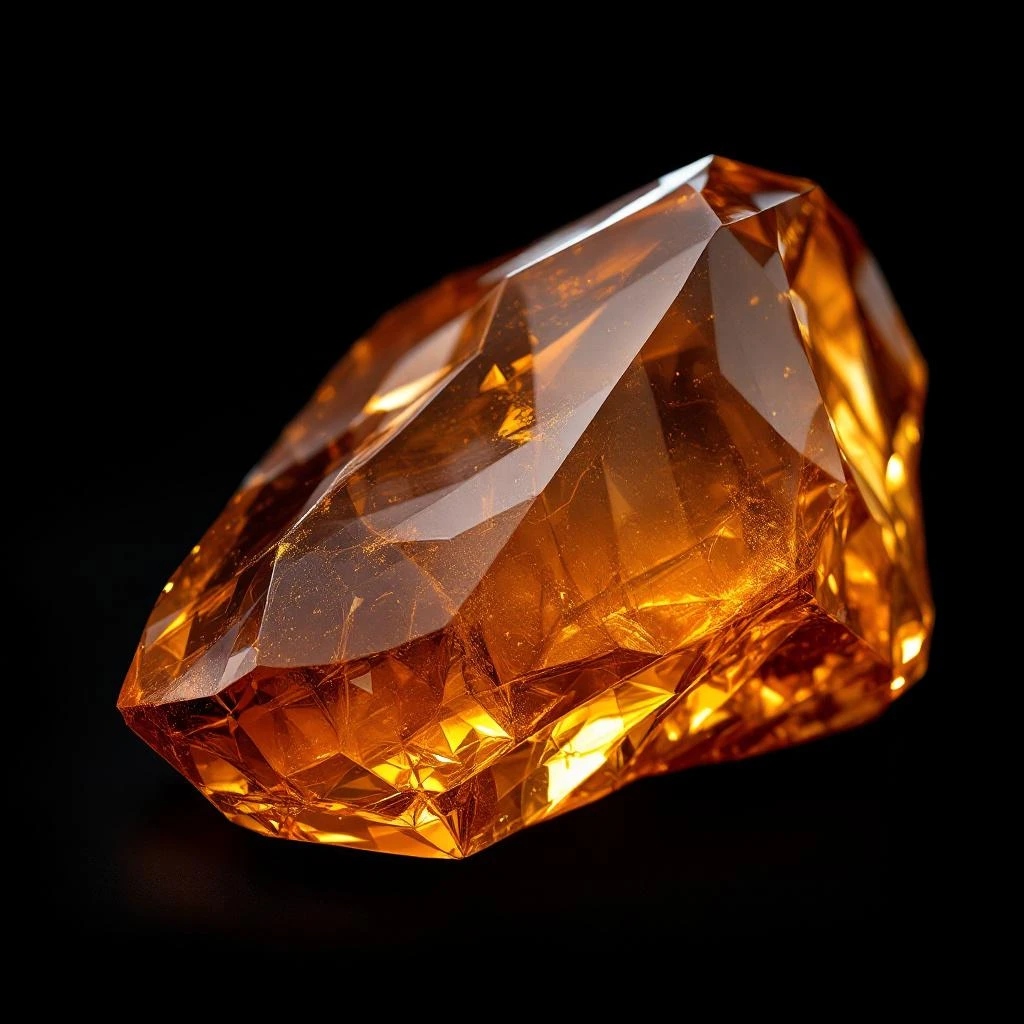
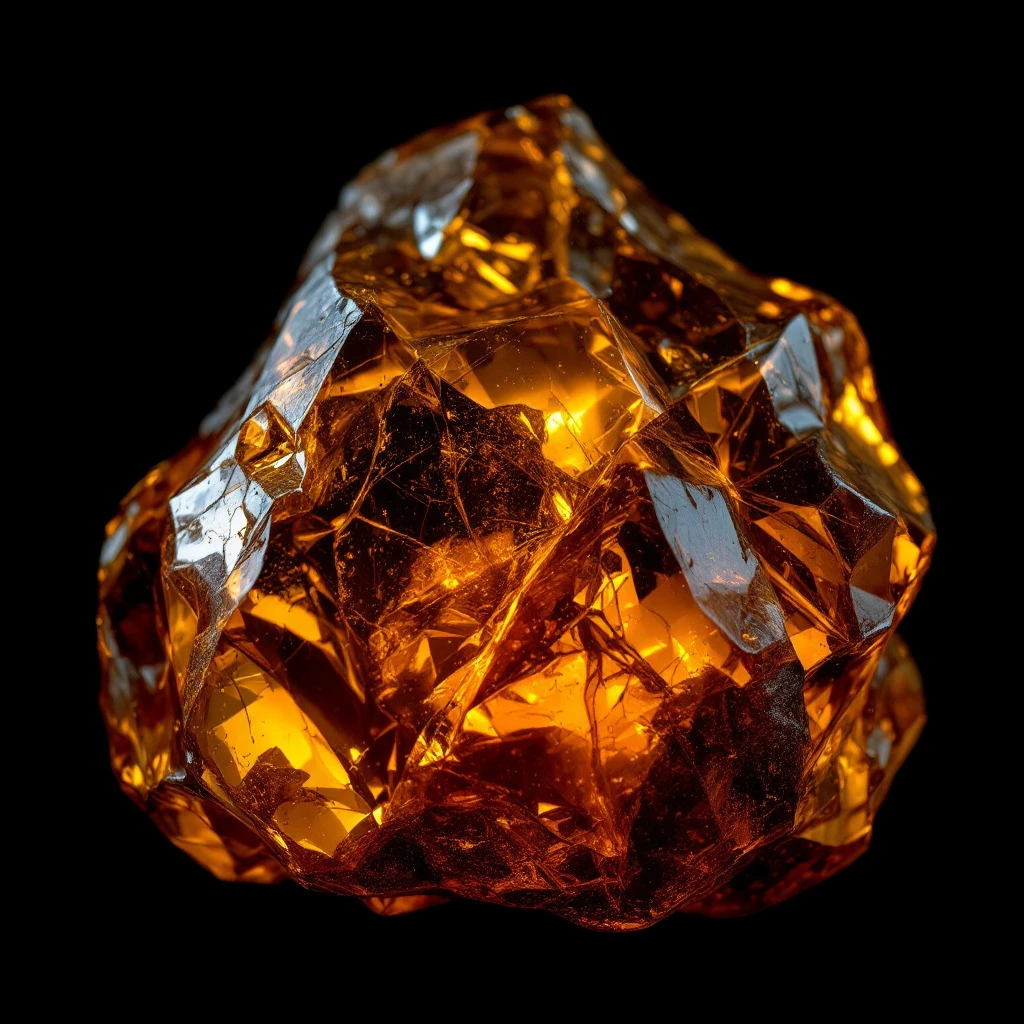
True Cuban Amber draws inspiration from fossilized Hymenaea resin, the same ancient tree family that produced the gemstone-quality amber found across the Caribbean millions of years ago.
Pairs beautifully with

Origin
Cuba
The concept of Cuban Amber emerged in late 20th-century perfumery, when niche creators sought alternatives to restricted ambergris, the waxy substance historically harvested from sperm whales and banned in many markets by the 1970s. Perfumers turned to Caribbean cultural memory, where fossilized resin from ancient Hymenaea protera trees had washed onto Cuban and Dominican shores for centuries.
Indigenous Taíno peoples called these golden stones 'guácara' and burned them as incense during ceremonial rites, believing the smoke carried prayers to ancestors. Spanish colonizers exported the resin to Europe as early as the 1500s, where it was mistaken for classical Baltic amber and used in rosaries and medicinal tinctures.
By the 1990s, fragrance houses began referencing this Caribbean heritage, crafting accords that honor both the region's botanical legacy and its complex cultural layers. Today, Cuban Amber represents a bridge between authentic island tradition and modern sustainable perfumery, recalling sun-soaked coastlines without relying on animal-derived materials.
Wears it best
Fragrances featuring Cuban Amber
Brands
Brands known for Cuban Amber
Good to know
Questions, answered
The essentials on Cuban Amber in perfumery: how it smells, where it comes from, and how it behaves on skin.
What does Cuban Amber smell like in perfumery?
Cuban Amber smells warm, balsamic, and slightly sweet, with resinous depth and a faint smoky edge. It evokes sun-warmed Caribbean coastlines, recalling aged rum barrels and golden honey drizzled over dark wood. The accord reads smoother and rounder than Baltic amber references.
Is Cuban Amber made from real amber resin?
Cuban Amber is a constructed fragrance accord, not a direct extract of fossilized resin. Perfumers blend labdanum, benzoin, vanillin, and synthetic amber molecules to recreate the sensory impression of Caribbean Hymenaea resin without harvesting the ancient fossilized material itself.
How is Cuban Amber different from regular amber notes?
Standard amber notes tend to lean sweet and powdery, often built around vanilla and labdanum. Cuban Amber incorporates warmer, smokier elements suggestive of Caribbean rum and sun-baked wood, giving it a deeper, more tropical character than traditional European amber accords.
Is Cuban Amber a sustainable alternative to ambergris?
Yes. Cuban Amber and similar constructed amber accords emerged partly as sustainable replacements for ambergris, which was restricted under endangered species protections. Modern versions deliver comparable depth using plant resins and synthetic molecules, eliminating the need for animal-derived materials.
What fragrance families feature Cuban Amber?
Cuban Amber appears most often in Oriental, Amber, and Woody fragrance families. It also enriches tobacco-forward compositions, rum-themed colognes, and gourmand bases where its caramelized sweetness enhances vanilla, spice, and leather accords.
Which perfumes prominently feature Cuban Amber?
Niche houses like Parfums de Marly and D.S. & Durga have crafted compositions referencing Cuban or Caribbean amber aesthetics. These blends typically combine the accord with rum, tobacco, coconut, or tropical fruit notes to evoke island warmth.
Can Cuban Amber be worn in warm climates?
Cuban Amber performs well in warm climates. Its resinous sweetness intensifies with heat without becoming cloying, and the smoky undertones add complexity on humid skin, making it a reliable choice for summer evenings and tropical settings.
Is Cuban Amber suitable for unisex fragrances?
Cuban Amber works beautifully in unisex compositions. Its warmth lacks the overt sweetness that skews feminine in some amber accords, while its depth and smokiness provide enough gravity to read as confidently masculine or comfortably shared across genders.