Coranol
Coranol brings the enduring elegance of rose into the modern era. This synthetic rose alcohol delivers the beloved floral warmth perfumers have cherished for centuries, now with consistent quality and lasting power that natural rose simply cannot guarantee.
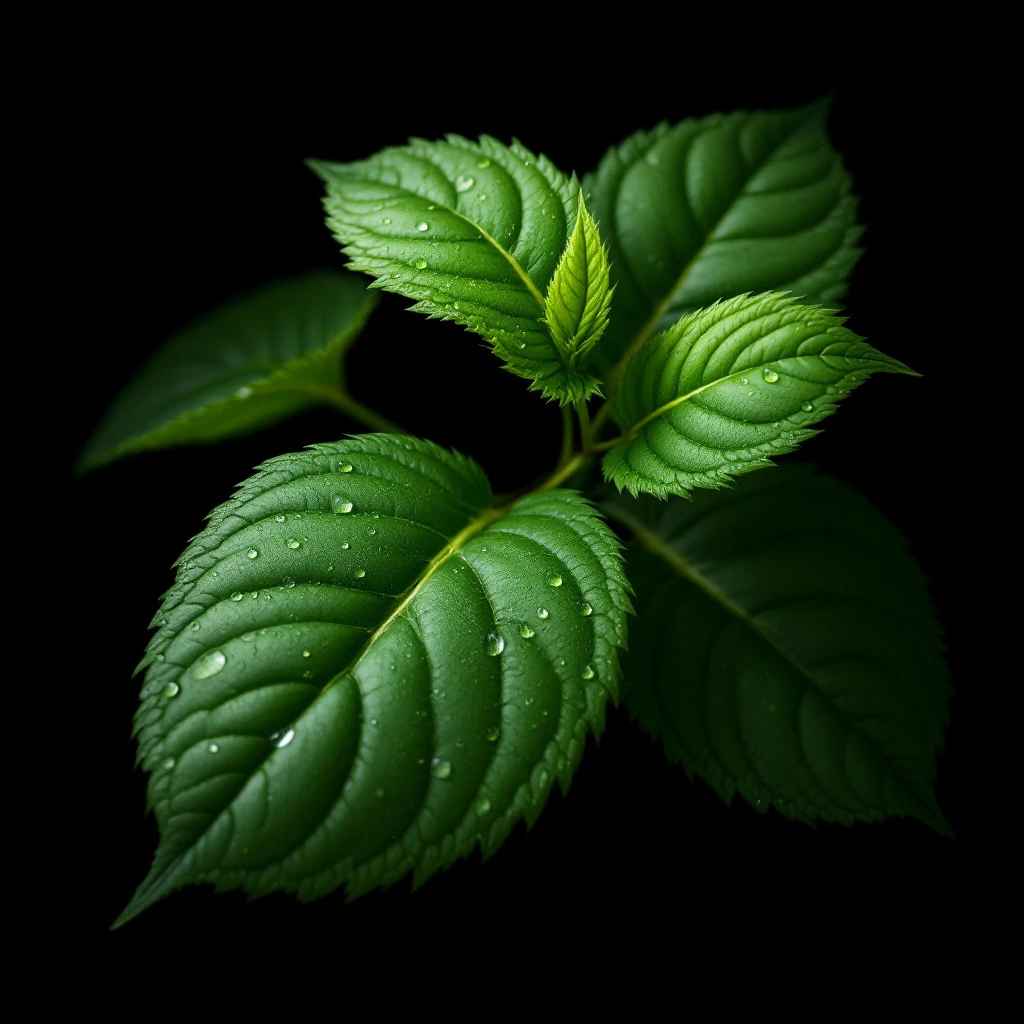
Character
How it smells
Synthetic rose that outlasts nature itself.
Coranol is roughly three times more substantive than natural phenyl ethyl alcohol, meaning fragrances stay on skin significantly longer.
Pairs beautifully with
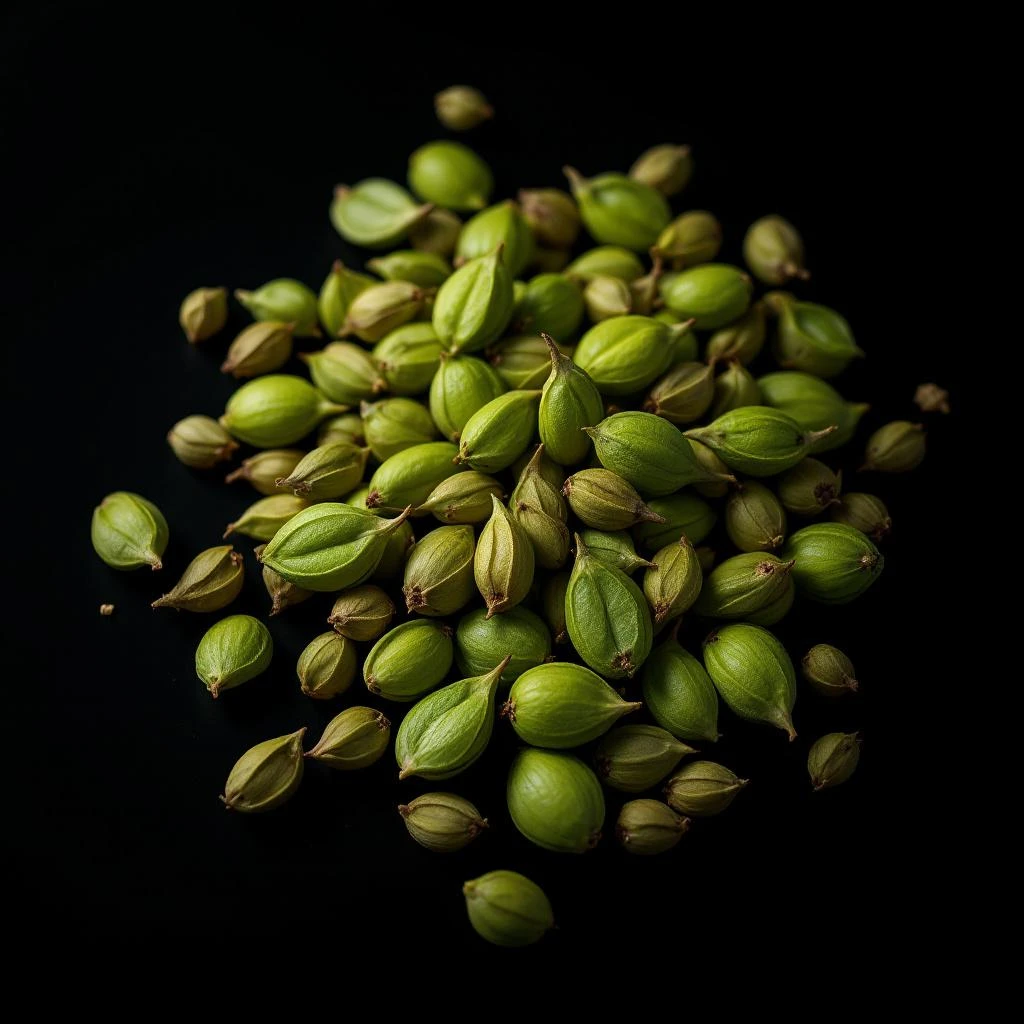

Origin
Multiple global producers
Modern perfumery began shifting in the late 19th century when commercial synthesis of aroma compounds became possible. Coranol represents the evolution of that breakthrough. Perfumers sought rose-like materials that could supplement or replace expensive natural rose otto and phenyl ethyl alcohol.
The fragrance industry developed Coranol as part of a broader effort to create reliable, sustainable alternatives to scarce natural materials. Today it stands as a testament to how synthetic chemistry expanded the perfumer's palette beyond what nature alone could provide.
Wears it best
Fragrances featuring Coranol
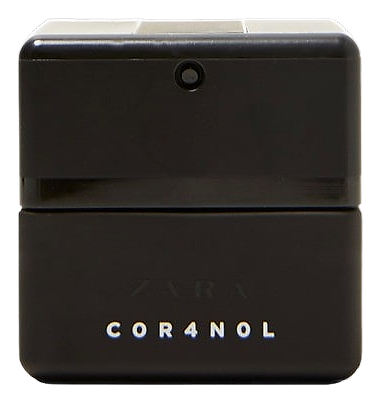
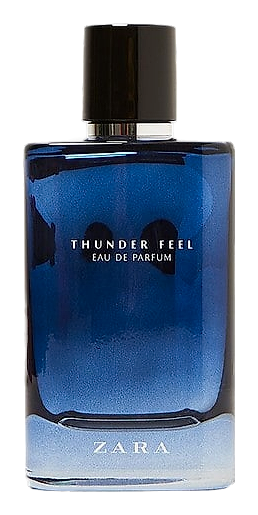
Brands
Brands known for Coranol
Good to know
Questions, answered
The essentials on Coranol in perfumery: how it smells, where it comes from, and how it behaves on skin.
What does Coranol smell like?
Coranol has a fresh, rosy, floral scent reminiscent of natural rose with subtle green and slightly sweet undertones. It provides the romantic warmth associated with rose without the characteristic slightly spicy or honeyed notes of natural rose otto. Perfumists value it for its clean, diffusive floral character.
Is Coranol natural or synthetic?
Coranol is entirely synthetic. Chemists create it through multi-step organic synthesis in pharmaceutical-grade facilities. This production method ensures consistent quality and eliminates the seasonal variations that affect natural fragrance ingredients.
What fragrances use Coranol?
Coranol appears in numerous fine fragrances across various price segments, particularly those featuring rose, chypre, and floral Bouquet compositions. It serves as both a主角 note and a supporting ingredient that enhances the rose character of a fragrance.
How stable is Coranol in formulations?
Coranol demonstrates excellent stability in both alcohol-based fragrances and cosmetic applications. It resists oxidation and maintains its scent profile throughout typical product shelf life, which makes it reliable for perfumers working on long-lasting formulations.
Does Coranol cause skin reactions?
Coranol has a favorable safety profile when used within IFRA guidelines. Current regulations classify it as non-restricted, though professional perfumers always consider concentration levels and base formulas when incorporating any aromatic material into skin products.
Can Coranol replace natural rose in perfumery?
Coranol does not fully replicate natural rose otto, but it provides a consistent, cost-effective rose note that works well in many compositions. Perfumers typically use it alongside natural materials rather than as a complete replacement, combining synthetic precision with natural complexity.
When was Coranol introduced to perfumery?
Coranol entered fragrance formulations during the mid-20th century alongside other synthetic rose alcohols like Phenethyl Alcohol. This period saw significant expansion in synthetic aromatic chemicals as perfume houses sought alternatives to increasingly expensive natural raw materials.
What makes Coranol important in modern perfumery?
Coranol offers reliability in supply and quality that natural rose cannot match. Natural rose otto varies by harvest, weather, and region. Synthetic production ensures perfumers receive identical material every time, enabling reproducible fragrance development at scale.