Clementine peel
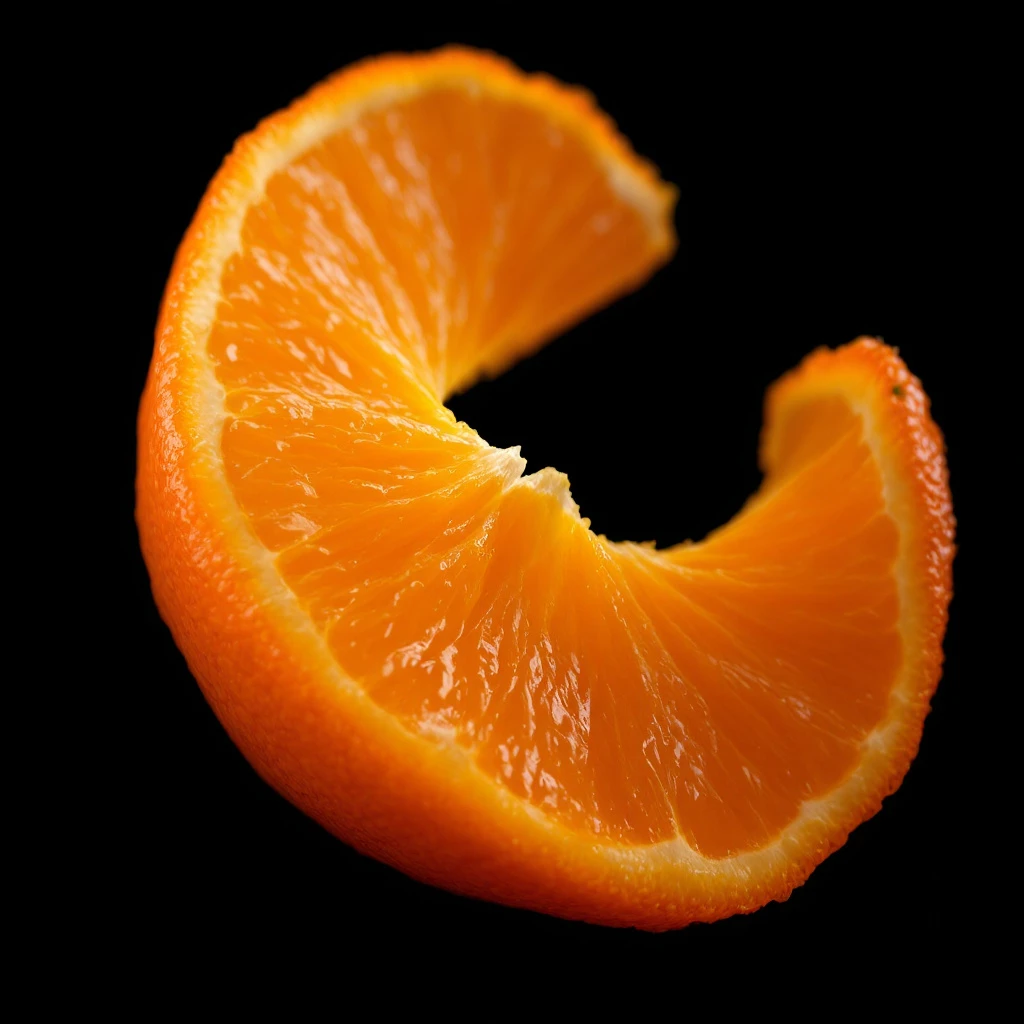
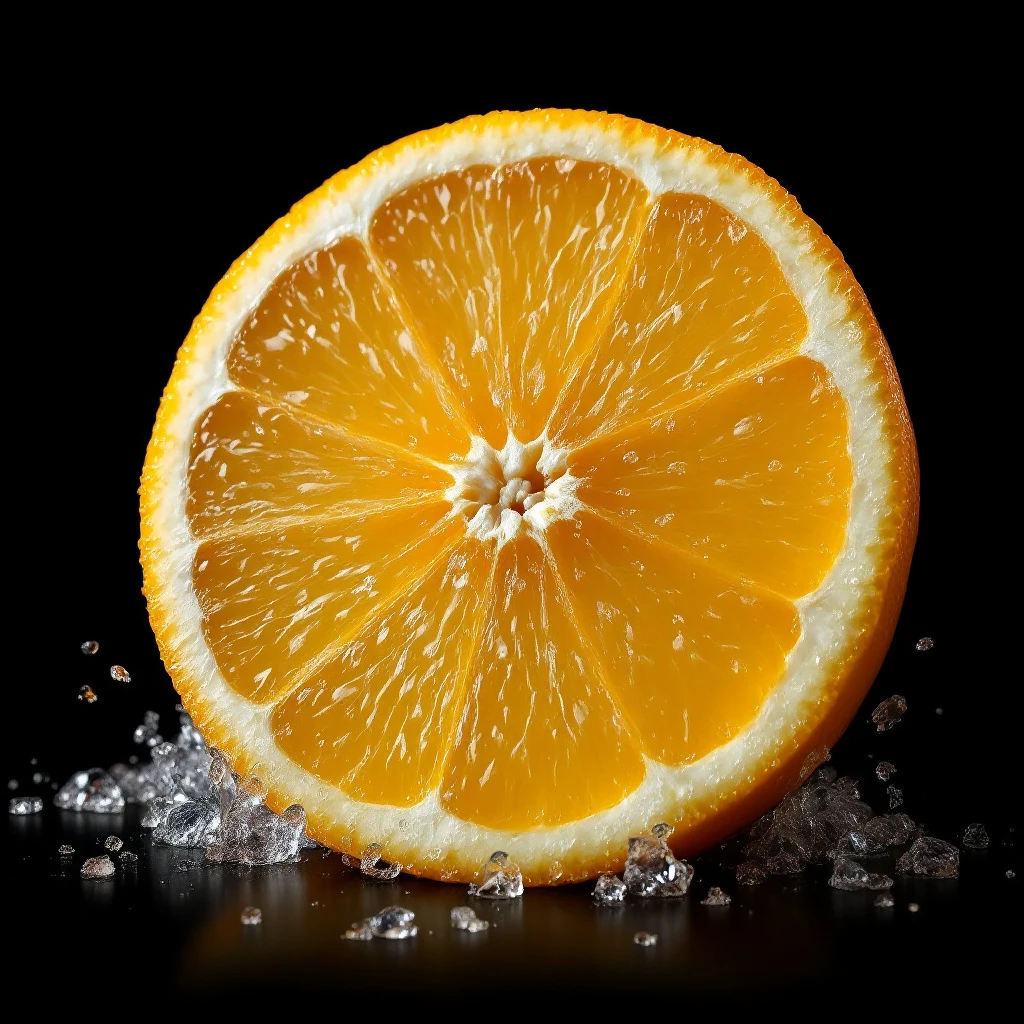
Clementine peel oil bursts from the rind with a sweeter, softer sparkle than orange or mandarin. The bright citrus lift carries subtle floral honey undertones, adding playful freshness to colognes and summer compositions.
Character
How it smells
Sweet citrus sunshine in a peel
Clementines are not a true species but a natural hybrid between mandarin and sweet orange, first documented in Algeria around 1902.



Origin
Algeria
The clementine owes its existence to accidental hybridization. Around 1902, Father Clément Rodier, a French missionary working in the garden of an orphanage near Oran in Algeria, noticed a chance seedling that produced small, seedless, intensely fragrant fruits. He propagated and named it, and by the 1920s the variety had reached Mediterranean orchards and later California and Spain.
In perfumery, clementine peel entered formal fragrance composition in the early twentieth century as formulators sought a rounder, less acidic citrus note than bergamot or lemon. Its oil found a natural home in eau de cologne reconstructions and in eau fraîche style scents popularized in the 1970s and 1990s. Sicily, Spain, and Morocco remain leading producers of clementine peel oil today, with seasonal harvests running from October through January.
The note has become a quiet staple of contemporary citrus chypres and aromatic fragrances, valued for adding approachable sweetness without veering into sugary territory.
Wears it best
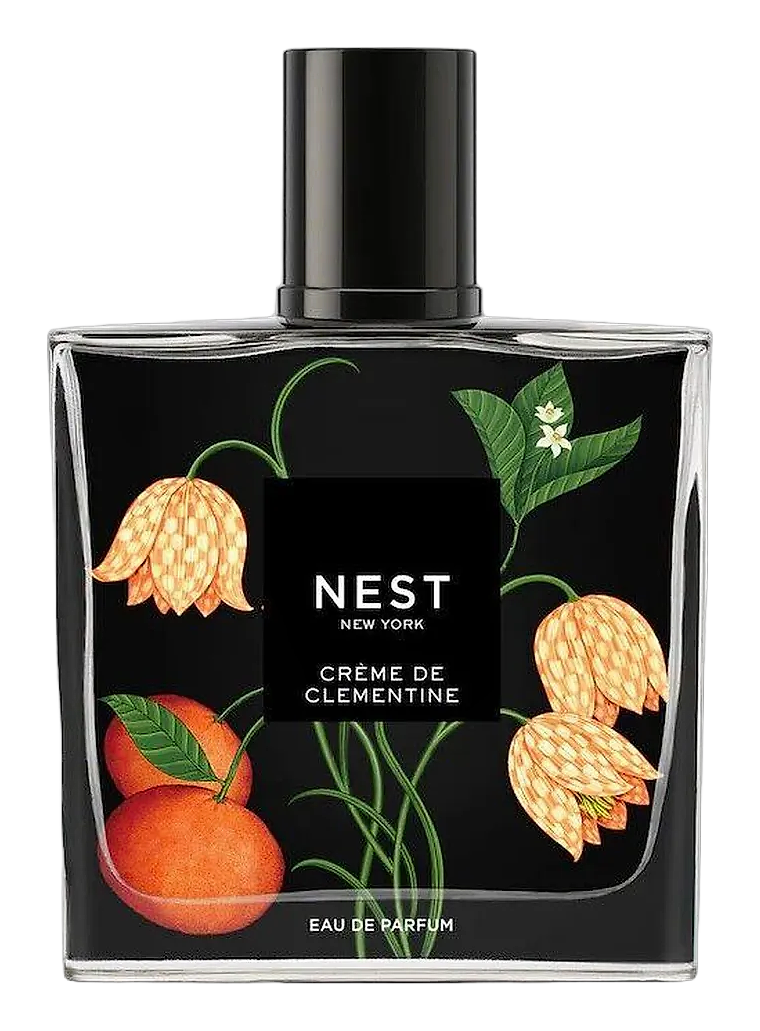
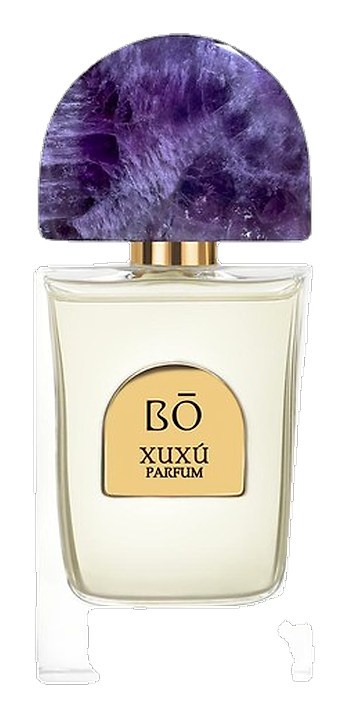
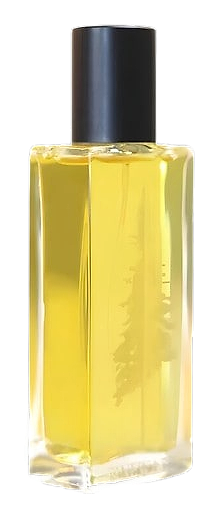
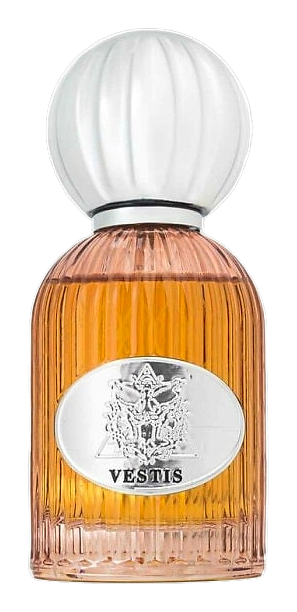
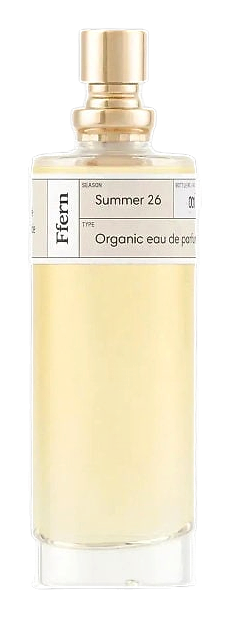
Fragrances featuring Clementine peel
Brands
Brands known for Clementine peel
Good to know
Questions, answered
The essentials on Clementine peel in perfumery: how it smells, where it comes from, and how it behaves on skin.
What does clementine peel smell like in perfume?
Clementine peel smells sweet, juicy, and bright with softer acidity than lemon or grapefruit. The aroma carries subtle honeyed floral undertones and a gentle zesty lift that feels warmer and rounder than standard orange peel.
How is clementine peel oil extracted?
Producers extract clementine peel oil through cold expression, a mechanical pressing method. The peel's oil glands are ruptured by rasping or needle rollers, then the released oil is washed off, centrifuged, and filtered without heat.
Is clementine peel oil different from orange peel oil?
Yes. Clementine peel oil contains higher concentrations of linalyl acetate and certain aldehydes, giving it a sweeter, softer character. Orange peel oil tends to read sharper and more acidic in direct comparison.
Where does clementine peel oil come from?
Most clementine peel oil comes from Mediterranean growing regions. Sicily, Spain, and Morocco lead global production, with the fruit first cultivated commercially near Oran in early 1900s Algeria.
Is clementine peel oil natural or synthetic?
Clementine peel oil is almost always natural, obtained by cold-pressing fresh fruit rinds. Synthetic alternatives rarely capture the full complexity of the natural oil, so perfumers prefer genuine expressed material.
What fragrance families use clementine peel?
Clementine peel appears most often in citrus, aromatic, and eau de cologne style compositions. It also lifts the opening of fresh chypres, sport fragrances, and unisex summer scents with juicy top notes.
How long does clementine peel oil last in a fragrance?
Clementine peel oil is a fleeting top note, typically lasting only 15 to 30 minutes on skin. Fixatives like musk or woody bases help extend its cheerful character into the early heart phase.
Is clementine peel oil safe for skin?
Clementine peel oil is generally considered safe at typical fragrance concentrations. Like most citrus oils, it can cause photosensitivity, so perfumers often recommend avoiding direct sun exposure after application.