Bisabolene
A warm, sweet-spicy sesquiterpene that forms the aromatic backbone of opoponax and contributes to bergamot's complexity. This understated compound provides the resinous depth that defines oriental fragrance families.

Character
How it smells
The warm resinous heart of oriental fragrances
Bisabolene makes up up to 70% of opoponax essential oil, giving this ancient resin its characteristic warm, balsamic depth.
Pairs beautifully with
Origin
Somalia
Bisabolene takes its name from the German term for the opoponax plant, where it occurs in highest concentration. While the molecule itself was isolated through 19th-century advances in organic chemistry, the plants containing it have much deeper roots. Opoponax resin was traded along ancient incense routes connecting the Arabian Peninsula to the Mediterranean.
Egyptian perfumers incorporated myrrh and related resins into their preparations over 3,000 years ago, unknowingly using materials rich in bisabolene. The compound's role in perfumery remained largely uncharacterized until analytical chemistry techniques advanced in the 20th century, when gas chromatography finally revealed its precise contribution to oriental fragrance compositions.
Wears it best
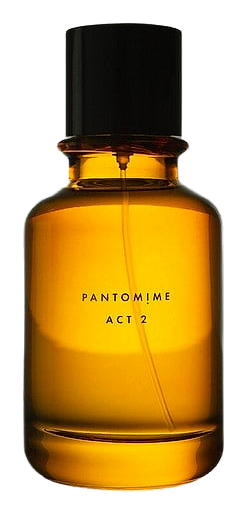
Fragrances featuring Bisabolene
Brands
Brands known for Bisabolene
Good to know
Questions, answered
The essentials on Bisabolene in perfumery: how it smells, where it comes from, and how it behaves on skin.
What does bisabolene smell like?
Bisabolene has a warm, sweet-spicy aroma with balsamic undertones. It adds resinous depth and a subtle woody-spicy character to fragrance compositions, functioning primarily as a base note material.
Which essential oils contain the highest bisabolene concentrations?
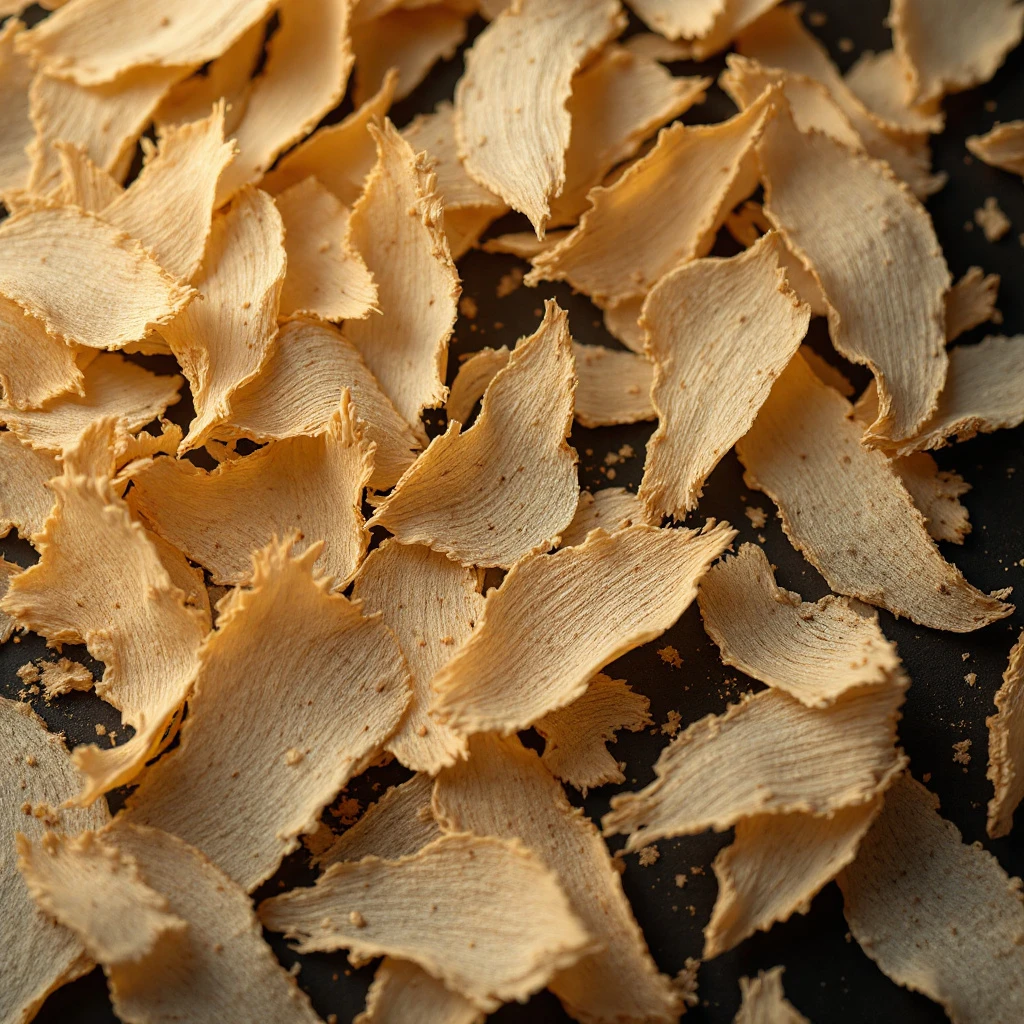
Opoponax essential oil contains the highest concentration, with bisabolene comprising up to 70% of its composition. Ginger root oil, myrrh, and certain cedarwood species also contain significant amounts.
Is bisabolene extracted directly from plants or produced synthetically?
Bisabolene used in perfumery is primarily obtained through steam distillation of natural plant materials, particularly opoponax resin and related botanicals. It occurs naturally as a sesquiterpene in several aromatic plants.
What fragrance families use bisabolene?
Bisabolene appears frequently in oriental and chypre compositions, where its warm, resinous character supports deeper base notes. It also contributes to the spicy complexity found in certain citrus and woody fragrance structures.
How does bisabolene perform in perfume formulations?
As a sesquiterpene hydrocarbon, bisabolene acts as a fixative that slows the evaporation of lighter top notes. It adds warmth and resinous depth without overpowering other ingredients, making it valuable for rounding out fragrance compositions.
Where does the bisabolene used in perfumery originate?
Bisabolene-rich opoponax resin is harvested from Commiphora guidottii, a small tree native to the Horn of Africa, particularly Somalia and adjacent regions. The resin is collected through controlled tapping of the bark.
Does bisabolene appear in any synthetic fragrance chemicals?
Some synthetic aromatic materials share structural similarities with bisabolene, but the compound itself is typically sourced from natural essential oils. Isolating bisabolene from steam-distilled oils remains the standard production method.
Is bisabolene safe for cosmetic and fragrance use?
Bisabolene is generally recognized as safe when used within established concentration limits for fragrance applications. Regulatory bodies including IFRA approve its use in consumer products at specified dilutions.