American oak wood CO2
A supercritical CO₂ extract of American white oak that captures the warm, barrel-aged character found in whiskey and wine. This ingredient brings a rare authenticity to woody, oriental, leather, and gourmand fine fragrances—delivering vanilla-laced warmth and dried fruit depth in a single material.
Character
How it smells
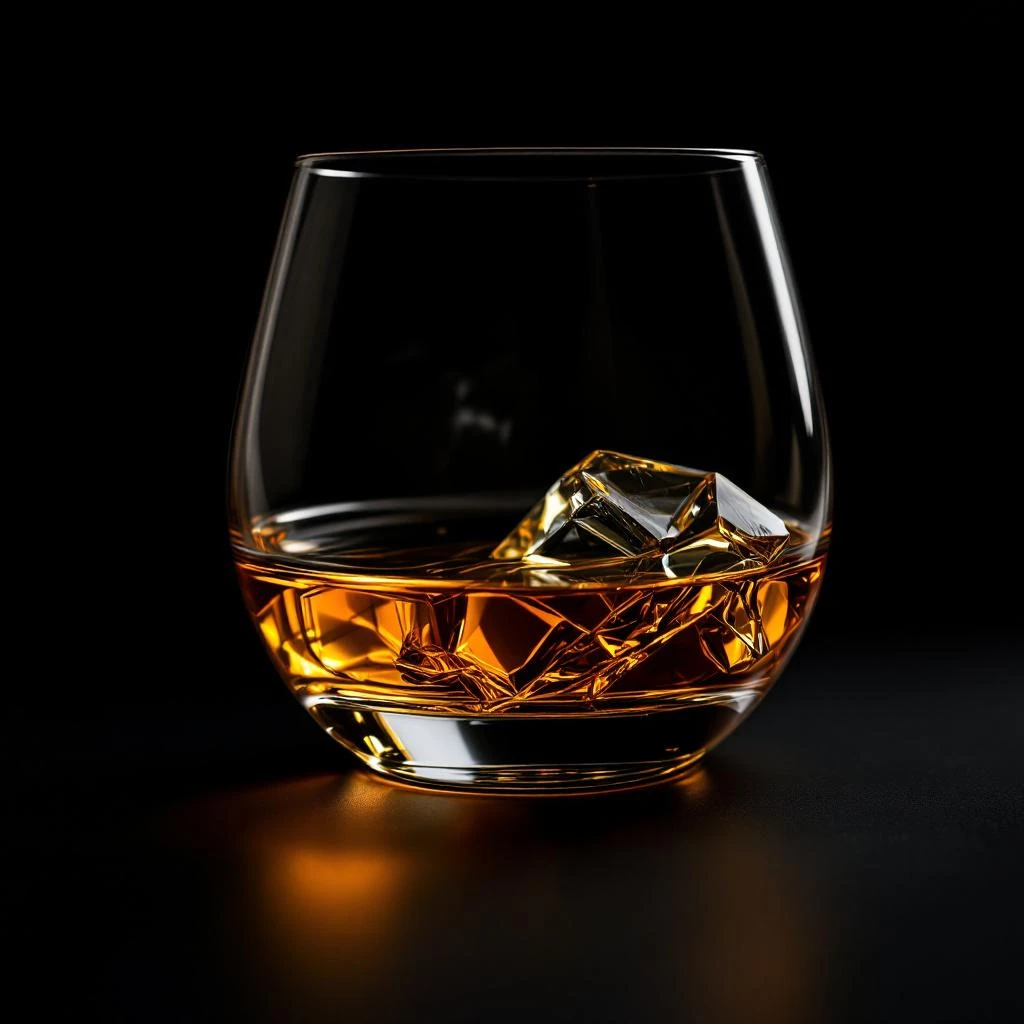
The scent of barrels. Captured in a bottle.
Supercritical CO₂ extraction operates above 31°C and 73 atmospheres—conditions that safely draw aromatic compounds from wood without heat degradation, preserving delicate molecules that steam distillation would destroy.

Origin
United States
American white oak (Quercus alba) has shaped the flavor of bourbon whiskey since the late 18th century, when coopers began charring barrel interiors to加快 reaction with the wood. The toasted and charred layers of these barrels create the vanilla, caramel, and dried fruit notes that define American whiskey's identity.
Before barrels, oak was central to winemaking and medicine cabinets alike—early American settlers used white oak bark in poultices, while colonial coopers supplied casks for rum, wine, and vinegar transport. The craft of barrel-making, called cooperage, eventually merged with the emerging fragrance industry's need for authentic woody materials.
When supercritical CO₂ extraction became commercially viable in the 1980s, it offered a way to capture the exact aromatic profile of aged barrel wood without the environmental cost of sourcing actual barrels. Perfumers gained access to an ingredient that directly channels centuries of American cooperage tradition—a material where every molecule carries the memory of charred oak and slow spirit evaporation.
Wears it best
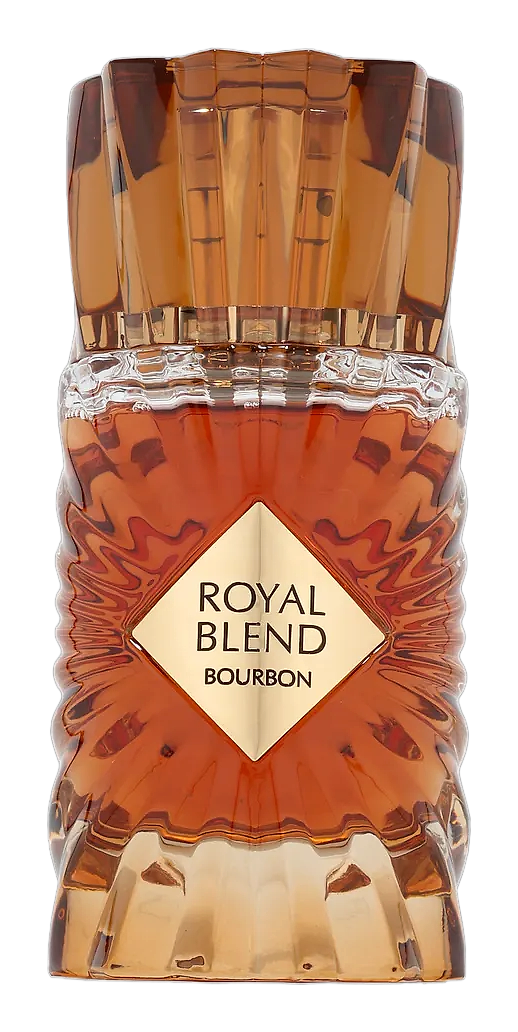
Fragrances featuring American oak wood CO2
Brands
Brands known for American oak wood CO2
Good to know
Questions, answered
The essentials on American oak wood CO2 in perfumery: how it smells, where it comes from, and how it behaves on skin.
What does American Oak Wood CO2 smell like?
It carries a warm, barrel-aged character with prominent woody and vanilla-laced facets. Dried fruit and subtle whiskey or rum nuances round out the profile, making it feel immediately familiar yet distinctly premium in a fragrance composition.
How is American Oak Wood CO2 different from French oak wood extract?
French oak (Quercus robur) tends toward drier, spicier, and more tannic aromatic profiles with earthy depth. American white oak brings sweeter, creamier vanilla character and fruit-forward warmth—closer in spirit to bourbon barrels than Burgundy wine casks.
What fragrance families work best with this ingredient?
It excels in woody, oriental, leather, and gourmand compositions. The ingredient bridges warm woods and edible notes, making it particularly effective in perfumes targeting amber, boozy, and smoky directions.
Is American Oak Wood CO2 safe for cosmetic use?
Yes. When sourced from suppliers operating under IFRA guidelines, the ingredient meets regulatory requirements for fine fragrance and cosmetic applications. Always verify current IFRA certificate specifications for your intended use level.
What is supercritical CO₂ extraction and why does it matter?
It uses carbon dioxide held above 31°C and 73 atmospheres as a tunable solvent. This low-temperature process captures a broader spectrum of aromatic compounds than steam distillation, including heat-sensitive molecules that define the ingredient's authentic barrel character.
How does this ingredient perform in the final fragrance?
Perfumers typically use it at low concentrations (0.1–2% depending on the formula) to add depth without overwhelming the top notes. It works well as a heart and base material, contributing lasting woody warmth that develops over several hours on skin.
How does it differ from synthetic wood replacement ingredients?
Natural CO₂ extraction preserves the full complexity of the wood's aromatic matrix—including trace lactones and phenols that contribute to the barrel-aged impression. Synthetics can approximate individual facets but lack the layered authenticity of the natural extract.
Can I combine American Oak Wood CO2 with other woody ingredients?
It pairs naturally with sandalwood, cedarwood, guaiac wood, and oud. The material also bridges well into amber, vanilla, and leather notes, making it a versatile anchoring ingredient in complex oriental constructions.