Alstroemeria
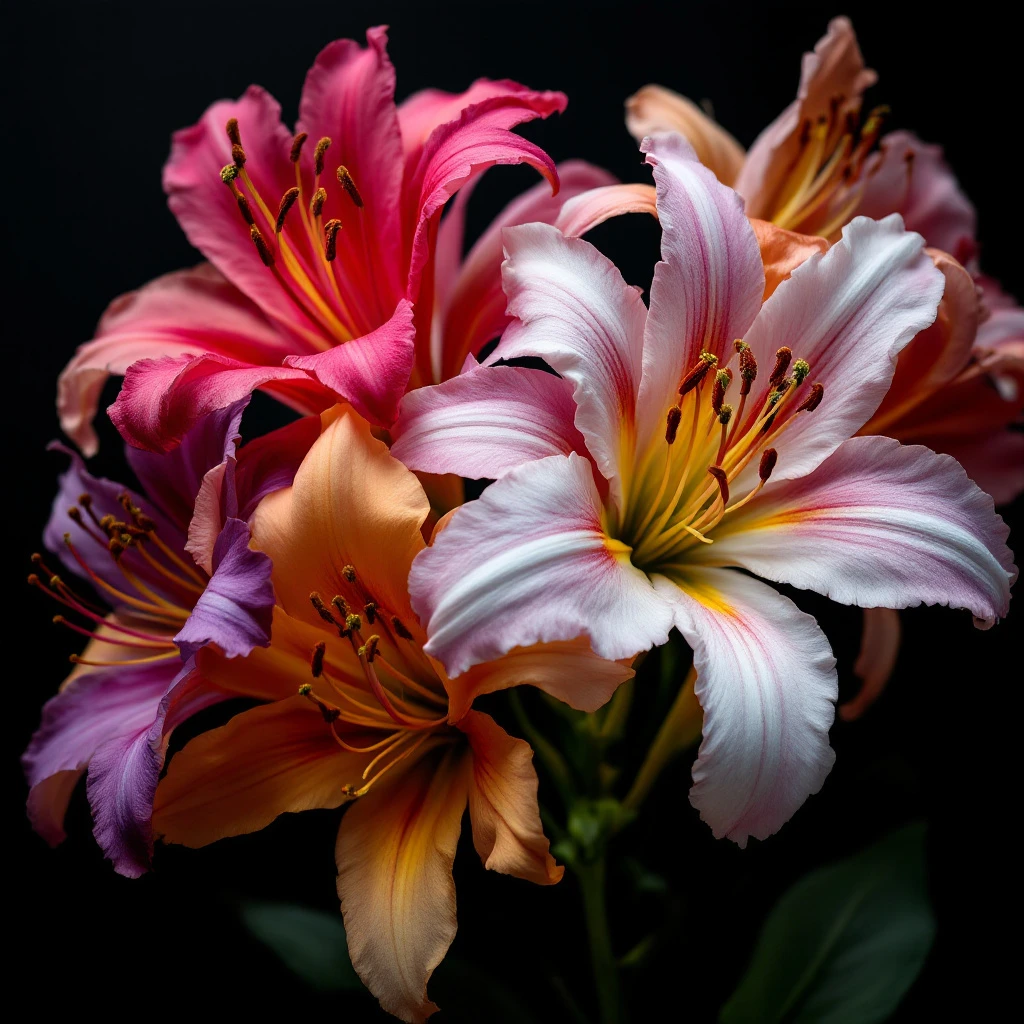
Known as the Peruvian lily, alstroemeria brings a fresh, green-floral softness to fragrances. The delicate note is almost always captured through synthetic recreation rather than natural extraction.
Character
How it smells
A green-floral whisper that lifts fragrance compositions.
Named after a Swedish botanist, alstroemeria's petals contain traces of fragrance too subtle for commercial extraction, prompting the industry to recreate its character synthetically.
Pairs beautifully with


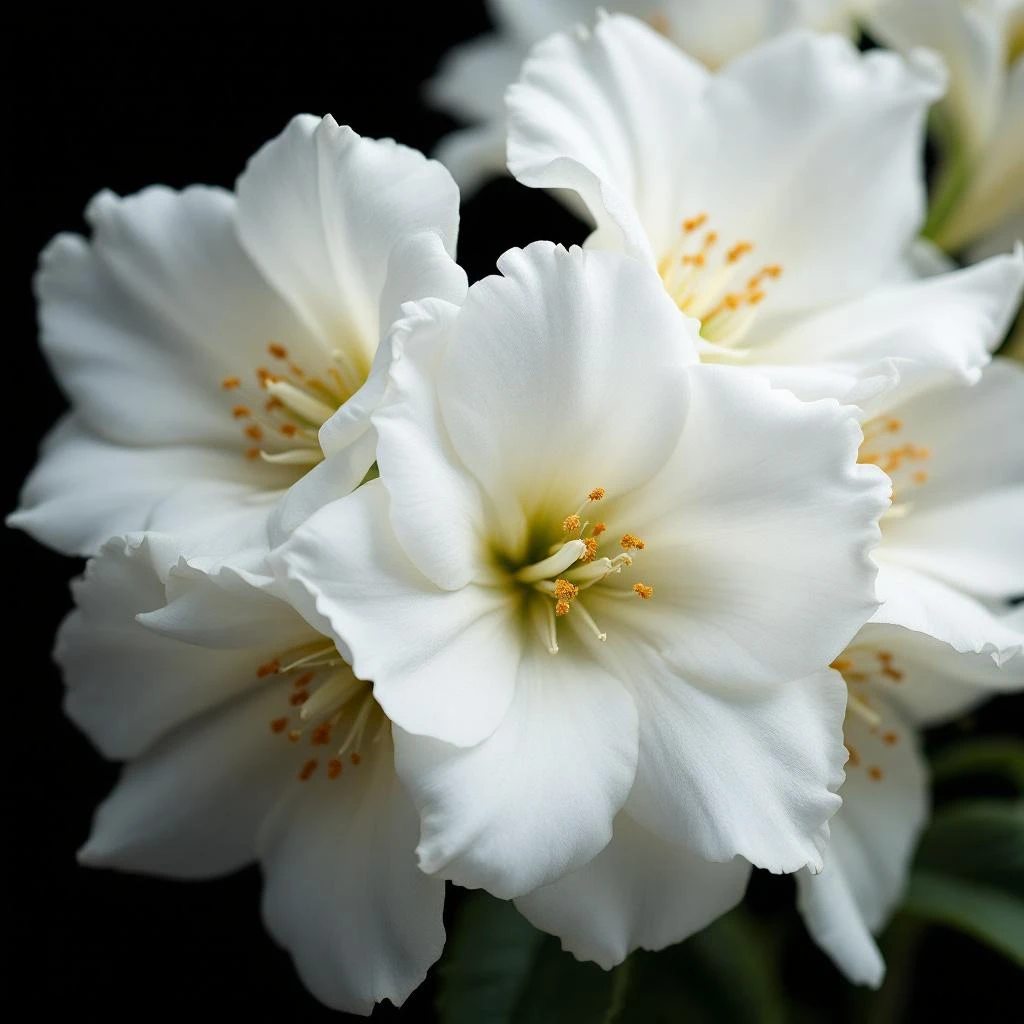
Origin
Chile
The genus Alstroemeria carries the name of Swedish baron Claus von Alstroemer, who collected seeds from South America in the 1780s and shared them with Carl Linnaeus. The botanist officially classified the genus in 1762, before receiving Alstroemer's specimens, establishing nomenclature that honors the collector. Native to the Andes mountain range from central Chile northward through Peru and into eastern Brazil, alstroemeria earned its common name, lily of the Incas, from its Andean heritage.
The plant reached European gardens by the late 18th century and became prized for its striking striped petals and long vase life. While grown primarily as cut flowers today, perfumers recognized alstroemeria's subtle fresh-green character by the mid-20th century. Natural extraction proved unworkable due to negligible oil content, pushing the industry toward synthetic recreation.
The note now appears regularly in contemporary fragrances, valued for its botanical elegance and fresh, green-floral quality.
Wears it best
Fragrances featuring Alstroemeria
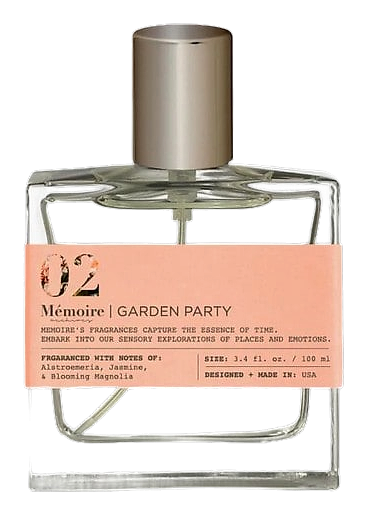
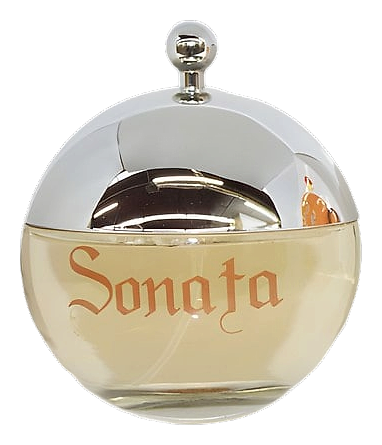
Brands
Brands known for Alstroemeria
Good to know
Questions, answered
The essentials on Alstroemeria in perfumery: how it smells, where it comes from, and how it behaves on skin.
Is natural alstroemeria oil available for perfumery?
Natural alstroemeria oil is not commercially available. The petals contain negligible aromatic compounds, and extraction yields are too low to justify commercial production. Perfumers use synthetic aroma chemicals to recreate the fresh, green-floral character instead.
What does alstroemeria smell like in fragrance?
Alstroemeria reads as fresh, green, and delicately floral with subtle sweet undertones. The note evokes the sensation of a newly opened flower, bringing brightness and natural elegance without heaviness or sweetness overload.
Where does alstroemeria appear in the fragrance pyramid?
Alstroemeria functions primarily as a top note, lending immediate freshness and green floral character to a fragrance's opening. It creates an impression of natural brightness that develops into the heart composition.
Which fragrance families use alstroemeria most often?
Alstroemeria appears frequently in modern florals, green fragrances, and aquatic compositions. It pairs naturally with lily-of-the-valley, freesia, green apple, and fresh aquatic notes to build bright, contemporary scent profiles.
What synthetic chemicals recreate alstroemeria's scent?
Dihydrojasmonate and its derivatives form the floral core, while cis-3-hexenyl acetate contributes green freshness. Blends of these materials with other floral accord molecules reproduce the characteristic fresh, green-floral character.
Does alstroemeria have any traditional perfumery history?
Unlike rose or jasmine, alstroemeria lacks centuries of traditional perfumery use. The note emerged in modern perfumery during the late 20th century as synthetic chemistry enabled recreation of its delicate character.
Where is alstroemeria cultivated today?
Chile remains the natural origin, but the Netherlands dominates commercial alstroemeria cultivation for the cut flower trade. The flower's native range spans the Andes from central Chile through Peru to eastern Brazil.
Is alstroemeria considered a natural or synthetic ingredient?
Strictly synthetic in perfumery. No natural alstroemeria extract exists on the commercial market. The note relies entirely on lab-created aroma chemicals that reproduce the flower's characteristic fresh, green-floral profile.





