The Story
Why it exists.
The beginning
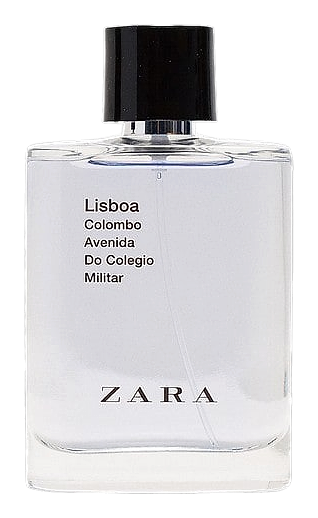
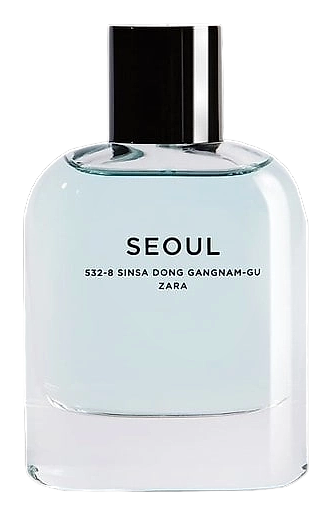
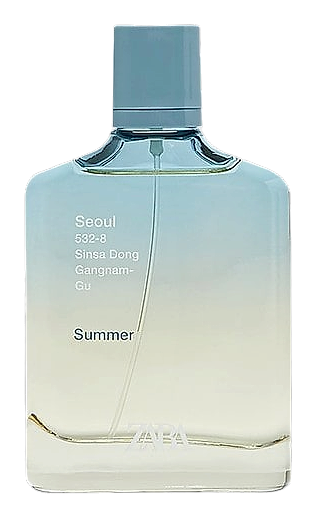
The name pins it to a place: Sinsa Dong in Gangnam-Gu, Seoul's most famous district, where old money parks outside boutiques and younger crowds fill the side streets with something rawer. Zara built this fragrance as a coordinate, not a concept. You smell where you've been, not what the brand wants you to become. The Cities collection has carried Zara fragrances named for London, Tokyo, Lisboa, Sydney, each one a landmark with a zip code. Seoul 532-8 Sinsa Dong follows the formula: a specific block, a specific city, a specific hour of someone else's morning. What you do with that is your business.
The note structure is stripped back intentionally, apple, orange blossom, cedar. Three notes, three stages, no overlap. That's unusual in fashion fragrance, where pyramids tend to inflate. The apple doesn't linger into the heart; cedar arrives before the orange blossom fully fades. It's built like a schedule, not a story. The cedar base is where most mass-market fragrances cheap out with synthetics, but Zara pushed this one toward something drier, almost architectural. Whether it lands or not depends on what you expect from a $35 fragrance trying to smell like a $200 address.
The evolution
Apple hits first, bright, immediate, the kind of clean that feels new. No hesitation. The orange blossom comes in around the ten-minute mark, sweeter than expected, more translucent than the flower usually allows. It doesn't bloom so much as dissolve. Cedar takes over by the half-hour mark and doesn't leave. It's the backbone here, the one thing holding the composition together as the fruit and florals thin out. Four hours in, on skin that runs warm, the cedar has softened into something skin-like, dry but no longer sharp. On fabric, it holds longer, closer to six hours. The next morning, there's a faint warmth at the pulse points. Nothing dramatic. Just enough to remember you wore something.
Cultural impact
Part of Zara's Cities collection, which has included references to London, Tokyo, Sydney, and Lisboa. The naming convention, specific zip codes, specific neighborhoods, positions these fragrances as coordinates rather than concepts. It's fragrance as lifestyle accessory, borrowing the cultural cache of a place without claiming ownership of its fragrance traditions. The Summer variant launched in 2020 alongside the original Seoul, targeting warmer weather wear with the same structure but a lighter touch.