The Story
Why it exists.
The beginning
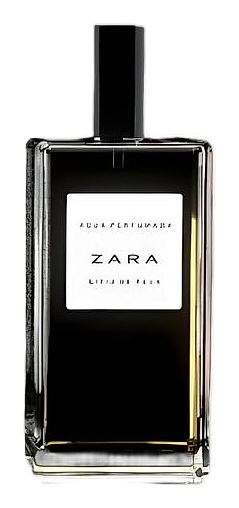
Lirio de Agua translates to water lily, a bloom that sits on the surface but roots in depth. Part of Zara's Agua Parfumada collection developed with perfumer Puig, the 2008 release. The bottle design was minimal, classic, a quiet object on a vanity that understood restraint. This was fragrance as atmosphere, not announcement. The composition leans into iris and sandalwood, creating a powdery, warm presence that settles close to the skin without announcing itself.
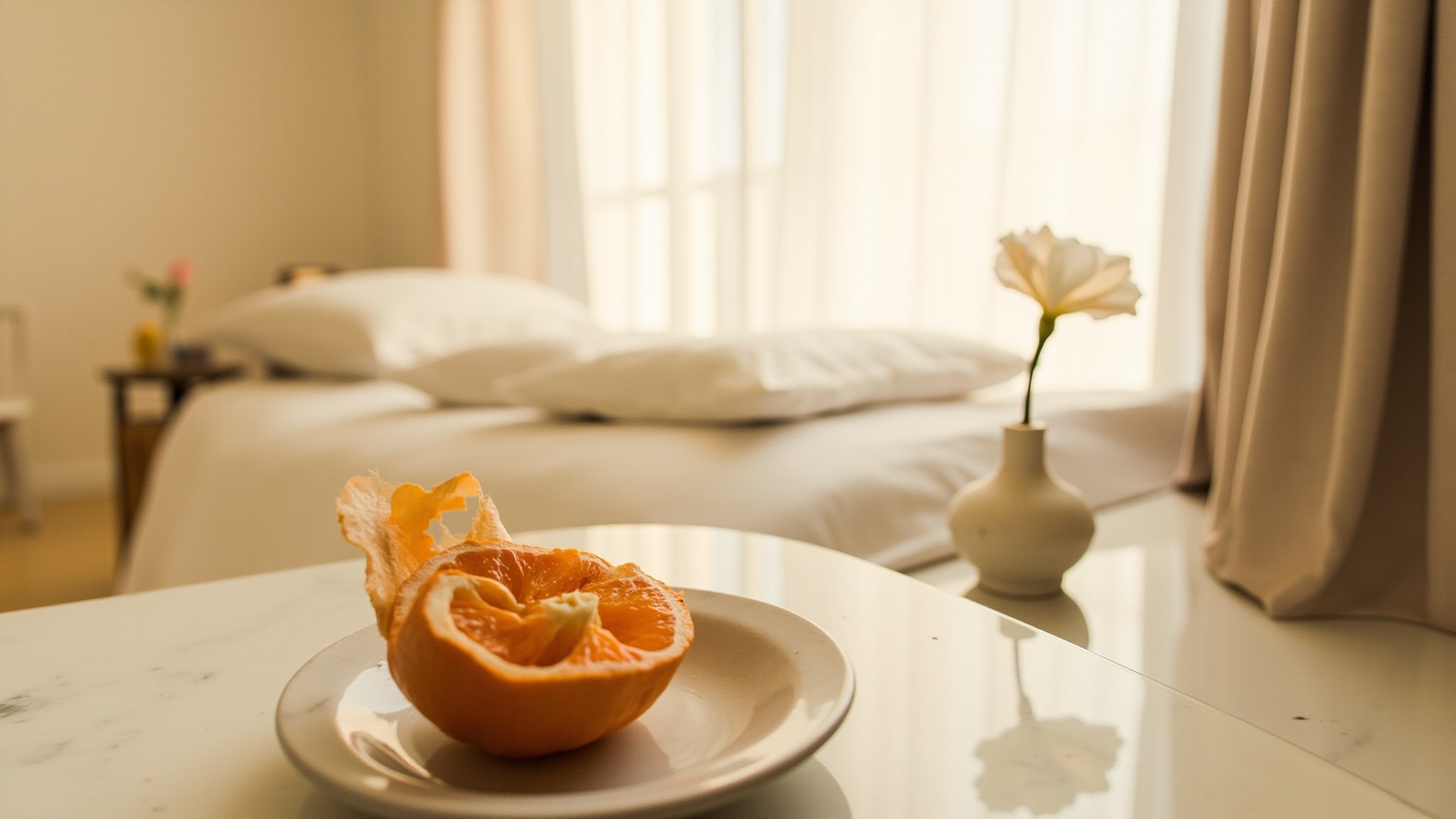
The mandarin-iris-sandalwood triad is deceptively simple. Mandarin opens bright and almost tart, the citrus equivalent of morning light through sheer curtains. Iris is the pivot point, powdery, violet-adjacent, with a rooty earthiness that keeps it from floating into pure abstraction. Sandalwood anchors everything with its creamy, slightly dry wood character. It's a vertical composition: bright at the top, soft in the middle, grounded at the base. No sharp edges. No obvious sillage spike. Just a quiet, coherent arc from top to drydown.
The evolution
The mandarin arrives first, quick, clean, almost instantaneous. The citrus recedes and the iris takes over, bringing its powdery violet character forward like a thought you almost had. The sandalwood doesn't fight for attention; it arrives quietly and settles in as the base, warm and slightly dry, staying close to the skin. The fragrance becomes intimate, a whisper rather than a statement. On fabric, the sandalwood lingers into the next day, softer and sweeter than it reads on skin.
Cultural impact
Part of the Agua Parfumada collection alongside Rosa Bulgara and Flor de Ahazan, Lirio de Agua sits in an era when Zara was building fragrance as brand extension rather than trend vehicle. This release occupies a different register entirely, more subdued, less likely to generate fragrance-world discourse. It presents a clean, competent composition that serves someone who wants iris without the heritage tax.