
The Story
Why it exists.
The beginning
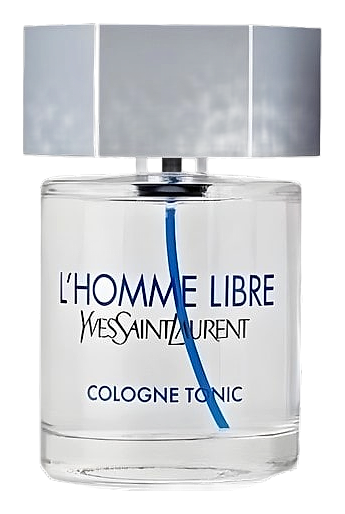
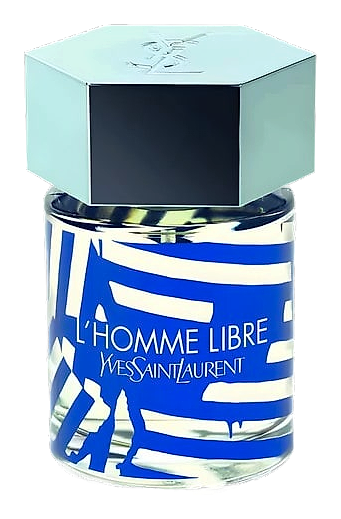
L'Homme Libre translates to 'the free man.' In 2011, YSL tasked perfumers Carlos Benaïm and Olivier Polge with capturing that idea in a bottle, not as a slogan, but as a physical sensation. The name alone carried weight: Yves Saint Laurent built his house on the tension between constraint and liberation, between the tuxedo and what's underneath it. A fragrance called The Free Man had to honor that history without drowning in it. So they stripped things down. Bright top notes. An herbal heart. One base material doing quiet, persistent work. The brief was simple: freedom shouldn't need to announce itself.
Three notes per tier. No filler. That minimalism is the point, every material has to pull its weight because there's nothing to hide behind. The white pepper in the base is particularly unusual for this genre. Most fresh-spicy men's fragrances lean on cedar, vetiver, or amber at the finish. White pepper gives L'Homme Libre a dry, faintly floral warmth that feels more tactile than woody. It's the kind of base that makes you smell your wrist twice in an hour, wondering what shifted.
The evolution
It opens bright and brisk. Bergamot, lemon zest, a jolt of ginger, you smell it for the first fifteen minutes, maybe twenty. Then the heart takes over and something cooler arrives. Violet leaf has that green-bitter quality, like crushed stems. Basil adds an herbal sharpness that tempers the citrus without killing it. The transition isn't dramatic. You just realize, around hour two, that the scent has changed. What arrives next is the tell. The white pepper doesn't arrive so much as settle, a warm, dry bite that hangs in the background while the violet and citrus fade. It lasts for hours. The sillage stays moderate throughout, intimate and close. The next morning, there's a trace on your sleeve. Warm. Muted. Still confident.
Cultural impact
Part of the Art Collection, L'Homme Libre sits in YSL's lineage of masculine fragrances that refuse to be predictable. Released in 2011 during a period when men's grooming was expanding beyond tradition, it offered something different: restraint as power. The Art Collection designation signals a more considered approach, not a statement fragrance, but one that rewards attention.