The Story
Why it exists.
The beginning
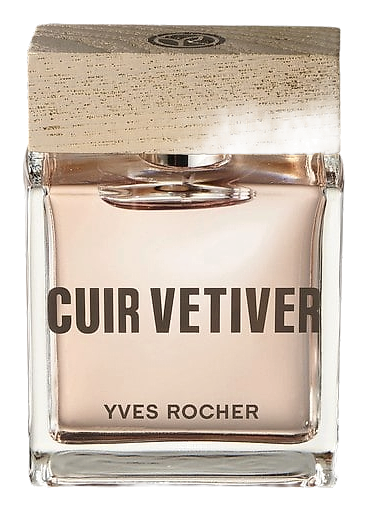
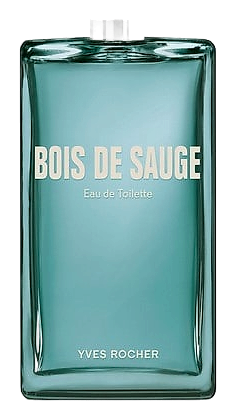
Sonia Constant returned to Yves Rocher in 2020. She'd built Cuir Vétiver for the house years earlier, and the brand trusted her again for Bois de Sauge. The brief was straightforward: clary sage, guaiac wood, patchouli. Three materials, no excess. The name says as much as the brief, bois de sauge, the wood of sage. The plant as the point. Yves Rocher's botanical sensibility shaped the approach. Plant-derived ingredients wherever possible, compositions that feel like they grew rather than were engineered. Constant worked within that framework, choosing materials that could carry weight without ornamentation. Sage for clarity. Guaiac wood for warmth. Patchouli for the earth underneath it all. The result is a fragrance that knows what it is. Not trying to be more.
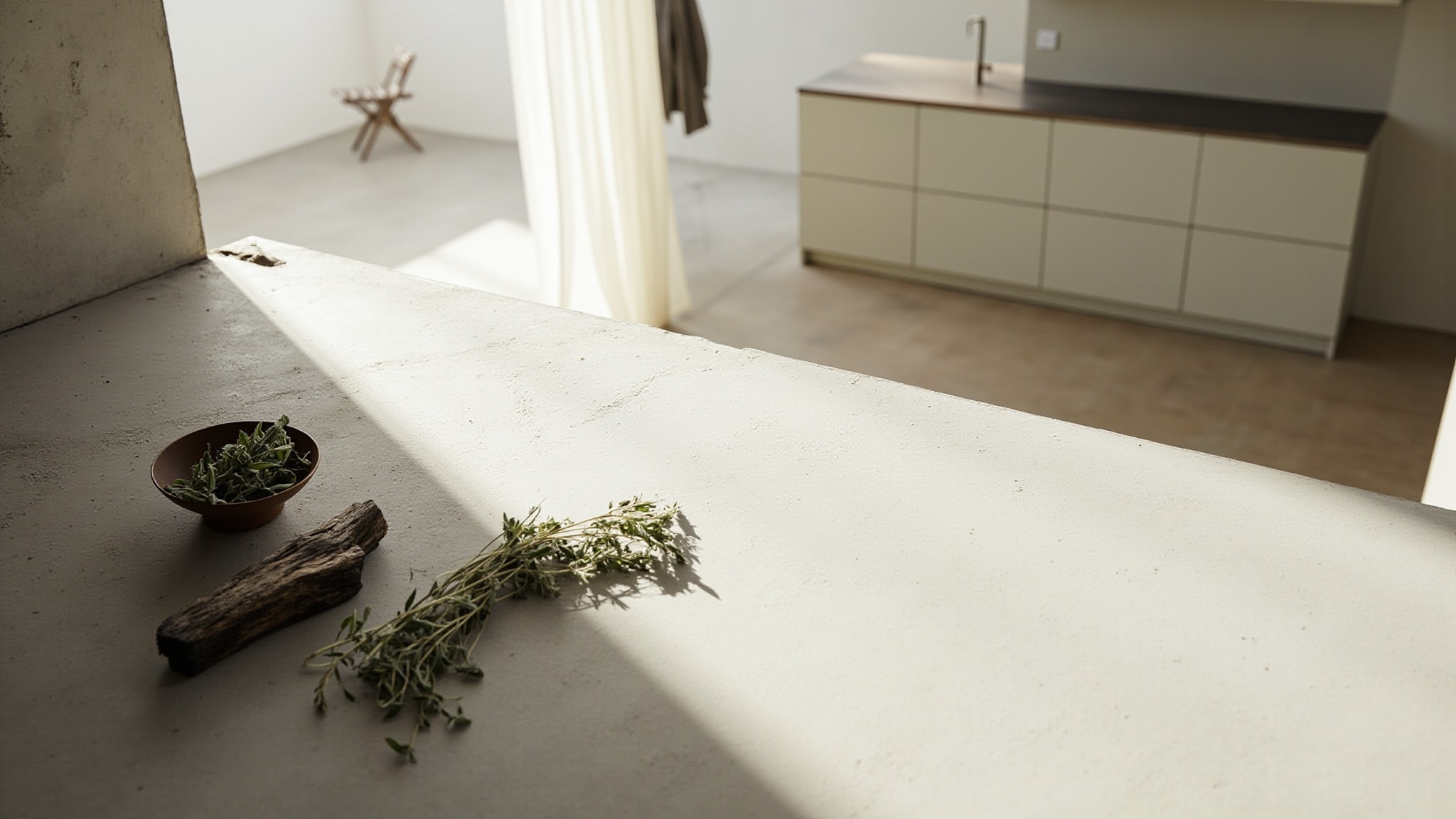
Three notes is a deliberate constraint. Most fragrances expand outward, layering accord upon accord until the structure becomes theoretical. Bois de Sauge does the opposite. Each material occupies its own space without apology. Clary sage is the anchor. Not the culinary sage you'd find in a kitchen, the ornamental variety with a sweeter, slightly nutty quality that reads as herbal without being medicinal. Guaiac wood brings its signature smoky-resinous character, a warmth that recalls burning wood but without the harshness. And patchouli, that grounding earth note that most houses bury under florals or sweetened with vanilla, here allowed to sit close and dry.
The evolution
Bois de Sauge opens on clary sage with the kind of clarity that arrives without announcement. Clean, green, slightly nutty. The herb doesn't push, it arrives and waits. Twenty minutes in, the guaiac wood begins to show. Warm, resinous, faintly smoky. It doesn't overtake the sage so much as settle underneath it, adding body without obscuring the opening. Two materials sharing space without jockeying for position. The patchouli arrives closer to the two-hour mark. Earthy, root-like, dry. It replaces the warmth of the guaiac wood with something flatter and closer to the skin. This is the phase that lasts, the final four hours on most skin types are patchouli's quiet statement. By the end, there's not much left. A faint earthiness, close enough that only the wearer notices. The drydown doesn't announce itself. It retreats.
Cultural impact
Clary sage has long held a quiet place in perfumery, valued for its herbaceous clarity and subtle complexity. Its resurgence in contemporary fragrance reflects a broader shift toward botanical ingredients and stripped-back compositions. Yves Rocher, with its roots in botanical research and plant-based formulations, positioned Bois de Sauge within this tradition, creating a fragrance that honors the ingredient rather than obscuring it. The three-note structure signals a deliberate rejection of complexity for complexity's sake, a choice that resonates with wearers seeking authenticity over spectacle. In a market crowded with layered, multi-faceted releases, this restraint reads as confidence.