The Story
Why it exists.
The beginning
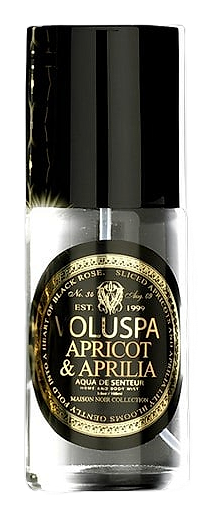
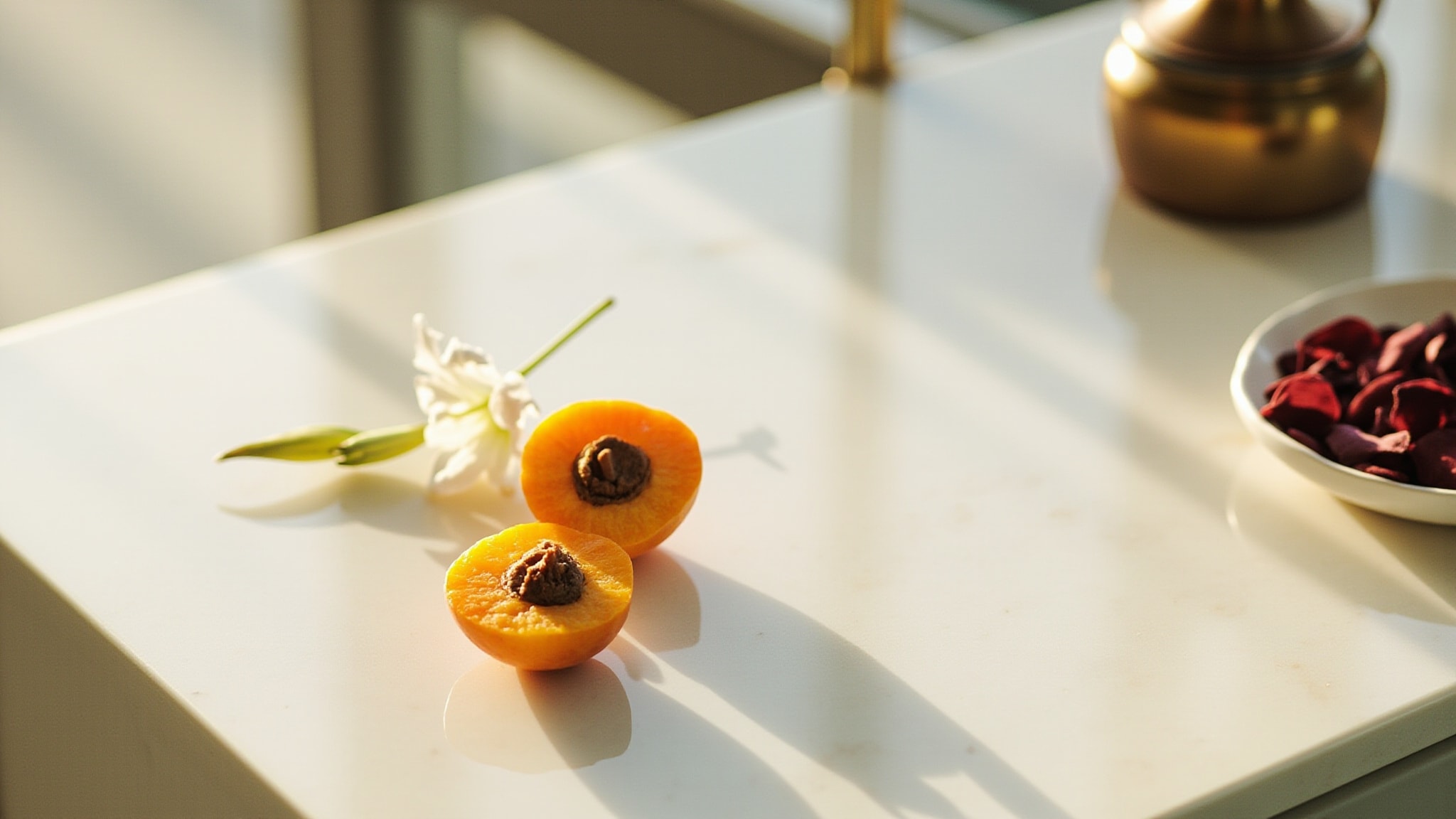
Apricot & Aprilia arrived in 2010, the name itself doing most of the storytelling before the bottle is even cracked. The fruit suggests warmth and ripeness, while the Aprilia lily points to something cooler, creamier, the kind of bloom that shows up in a garden just as the stone fruit hits its peak. Nothing restrained about the combination. The composition goes straight for the throat of summer: stone fruit warmth, a lily's creamy lift, and a rose that refuses to behave like a polite floral. The apricot brings a sun-warmed, almost edible quality, sticky-skinned and lush, while the lily's waxy whiteness keeps the sweetness from collapsing into something purely gourmand.
The move from candle to perfume is never simple. Wax and alcohol read notes differently, and what smells luscious as a room scent can flatten on skin. Apricot & Aprilia is interesting because it commits to the fruity-floral combination without padding it with the usual gourmand scaffolding. Apricot and lily handle the top, black rose takes the heart, and the accords hint at something almost animalic beneath the powder. That tension between edible fruit and something wilder, more lived-in, is what makes the composition worth attention. It's a short pyramid, and that brevity is the point.
The evolution
The first 15 minutes belong to apricot, fleshy and warm, carrying a green stem bite that keeps it from turning into jam. Lily lifts just behind it, white and slightly waxy, the kind of creaminess that makes the fruit feel riper than it actually is. As the lily fades, black rose takes over, and this is where the fragrance shifts. The rose isn't a velvet curtain. It has a metallic edge, a bruised quality, pulling the sweetness somewhere darker. Lactonic and powdery textures settle in, and the animalic accord starts whispering through. The drydown doesn't vanish so much as quiet into a soft, skin-warm trace of fruit and powder that lingers close to the body. What makes the arc satisfying is how cleanly the fruit hands off to the floral and then the floral hands off to the base. The apricot doesn't overstay; it sets the table, then lets the rose take a seat.
Cultural impact
Apricot & Aprilia sits in an interesting space within the broader fruity-floral category, a genre often dismissed as safe or overly commercial. The black rose element gives it enough edge to stand apart from typical offerings in that style, and the combination of ripe fruit, creamy lily, and a rose that carries real texture makes it feel more deliberate than many of its peers. The lactonic and powdery accords add a softness that keeps the composition wearable, while the animalic undertone prevents it from feeling like a simple sweetness exercise.