
Heritage
A house, in its own words
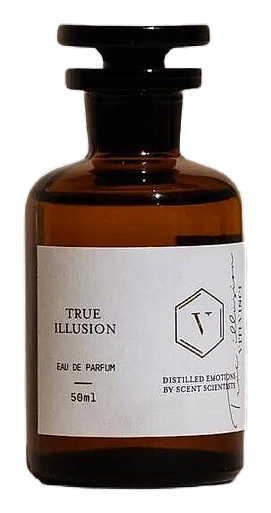
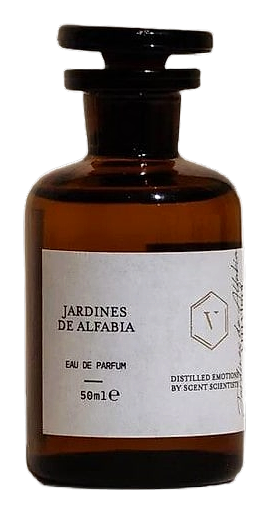
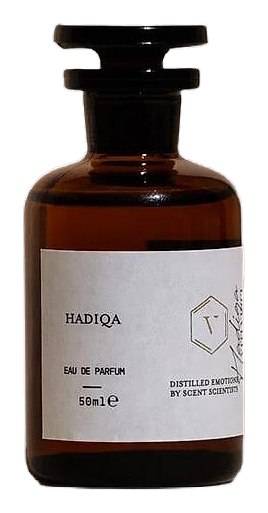
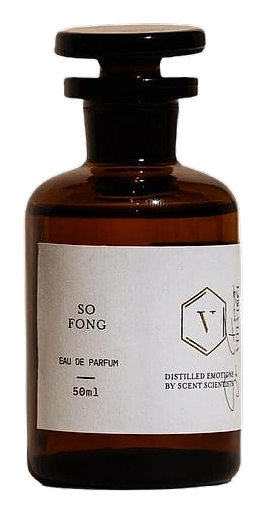
Viti Vinci began in 2020 in Palma, Mallorca, according to the available brand profile. Its founder, Victor Alarcón, is identified as a scent scientist, giving the house a clear connection to fragrance science from its earliest recorded chapter. The name Viti Vinci evokes Leonardo da Vinci, whose notebooks are associated with close observation, experimentation, and the relationship between art and science. That association is interpretive rather than a documented statement of the founder's intentions, so it should not be mistaken for a confirmed brand history. The house emerged in a city with a strong cultural relationship to perfume, Mediterranean life, independent design, and craft production. Within a short period, its catalogue includes Flexible Morale, Hadiqa, True Illusion, So Fong, and Jardines de Alfabia, recorded as 2024 fragrances in the Silloria database. These names suggest a varied and narrative-led fragrance direction, but the supplied research does not disclose their concentration, composition, launch markets, or official creation stories. The broader history of perfume places Viti Vinci within a much older tradition of fragrance making, one shaped by natural materials, later industrial chemistry, and the modern expansion of personal scent. Viti Vinci's specific place in that history remains young and lightly documented. Its verifiable story currently rests on its 2020 founding, Victor Alarcón's scientific background, Palma location, and the later appearance of five named fragrances. Viti Vinci's documented creative premise is the combination of natural fine fragrance, bespoke scent creation, and a foundation in fragrance science. The available profile describes the house as creating bespoke scents, which points toward a practice in which composition and individual intent may sit at the centre of the fragrance experience. The brand's name also carries a suggestive reference to Leonardo da Vinci, a figure strongly linked to disciplined observation, inquiry, and the union of imaginative invention with technical study. Used carefully, this reference gives the house a coherent intellectual atmosphere, although the research does not confirm that it was the founder's stated inspiration. The house's documented direction can therefore be understood through three priorities: attention to natural fragrance, the development of made-to-order or tailored scent concepts, and a scientific approach to the study of smell. The available materials do not establish a formal sustainability policy, a specific definition of natural fine fragrance, or a detailed account of how bespoke commissions are conducted. Likewise, there is no verified information about collaborations, artistic commissions, or a named creative committee. Viti Vinci's philosophy is best described as a personal and research-led fragrance practice rather than a codified artistic manifesto. Its growing list of distinct titles implies an interest in varied scent identities, but the supplied record does not provide enough information to characterise each composition or connect the titles to specific narratives.