
The Story
Why it exists.
The beginning
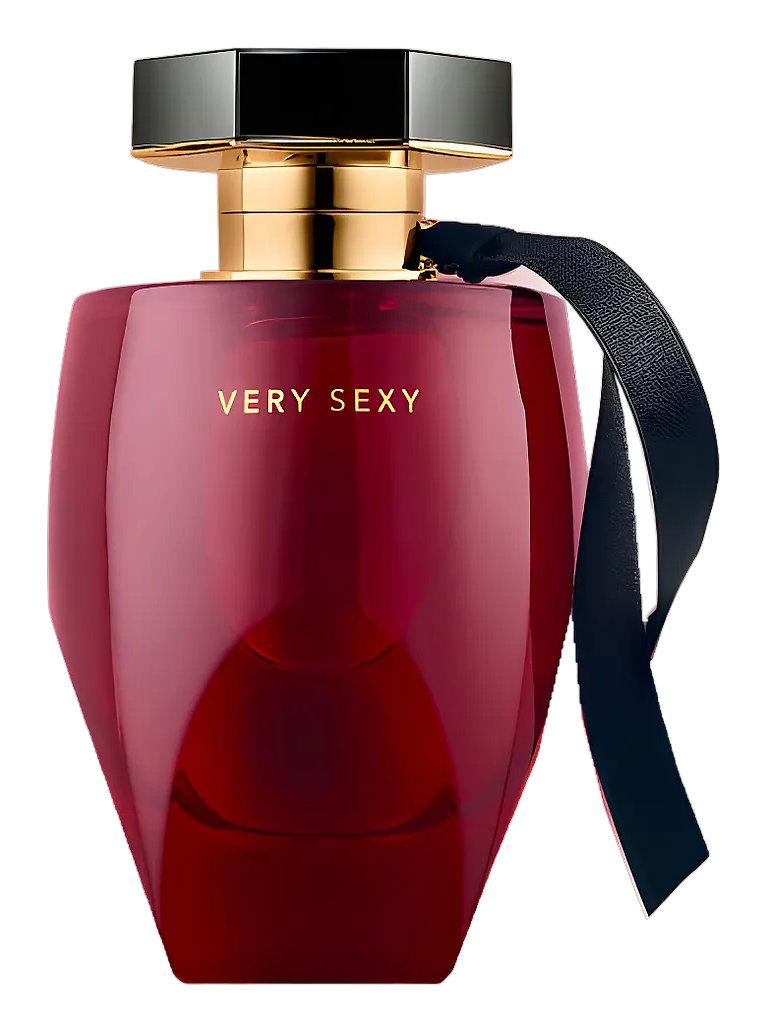
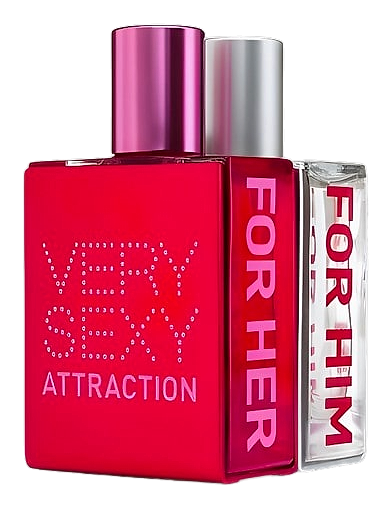
Victoria's Secret released a pair of fragrances in 2008, two bottles designed to stick together magnetically. One was red. One was silver. The red bottle held Very Sexy Attraction for Her, and the name said exactly what the brand was going for: something that pulls you in. Céline Ellena composed it around a tension between sharp citrus brightness and soft floral warmth. The clementine opens eager and fruity. The camellia and orchid keep it grounded in something gentler, almost powdery. It's not a complicated fragrance. But the interplay between that initial burst and the warmth underneath is the whole point, attraction as a balance, not a bombardment.
The combination of clementine with vanilla orchid is more interesting than it sounds. Clementine is bright and juicy, almost aggressively fresh on its own. Orchid, particularly when it's playing up its vanillic undertones, is warm and quietly sweet. Camellia sits between them, neither sharp nor heavy, pulling the two directions together into something cohesive. That balance is what makes Very Sexy Attraction work: a fragrance that opens with a citrus pop but settles into a softness you lean into rather than notice from across the room.
The evolution
Clementine arrives first. That bright, eager burst hits within seconds of spraying, fruity and awake, almost like biting into a fresh segment. It doesn't linger. Within minutes the camellia softens it, the citrus warmth dimming into something powdery and floral. The orchid announces itself slowly, adding a vanillic undertone that makes the whole composition feel warmer, closer to skin. By hour two, it's a quiet floral with a hint of sweetness that stays moderate in sillage, present to you, not necessarily to everyone across the table. It fades gracefully rather than disappearing abruptly, leaving skin with a soft, slightly powdery warmth that lingers another two to three hours.
Cultural impact
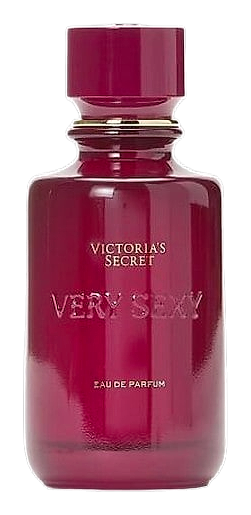
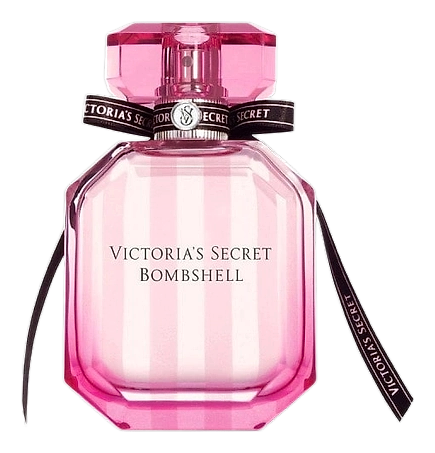
Very Sexy Attraction for Her launched in 2008 during Victoria's Secret's strategic push to elevate its fragrance portfolio beyond the Bombshell era. The Very Sexy line positioned itself as the brand's more sophisticated, self-assured range, targeting women who wanted statement scent without the heavy floral or Gourmand saturation dominating the market at the time. Its clementine-forward opening reflected the late-2000s citrus revival in mainstream perfumery, when bright, accessible top notes became a response to the overly complex compositions of the early 2000s.
The House
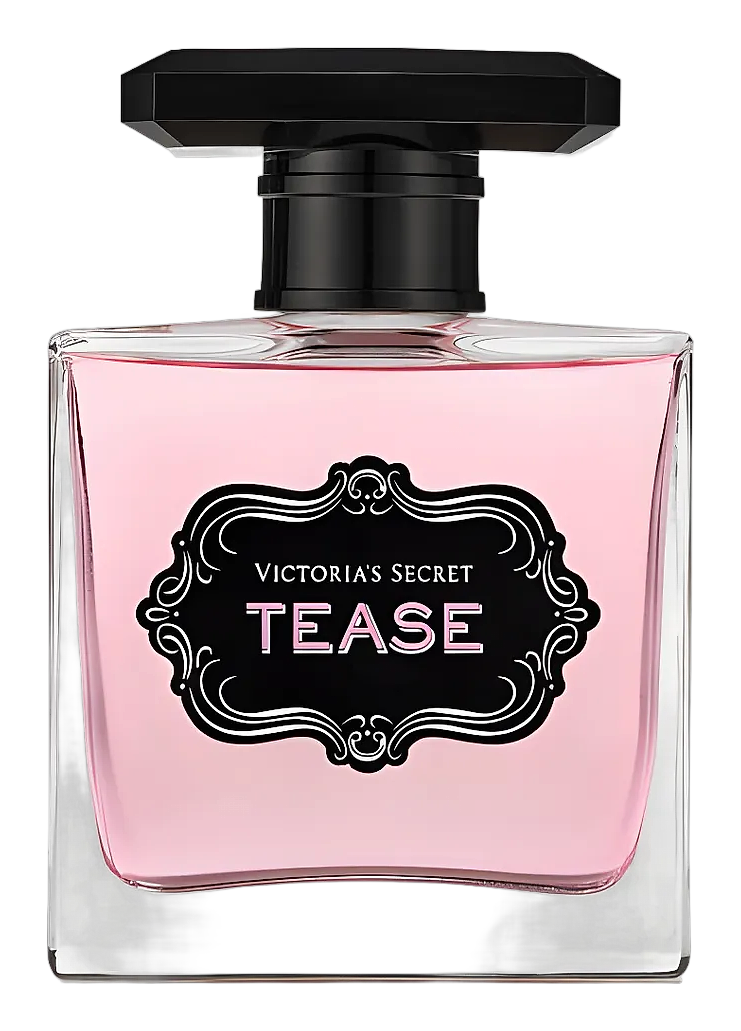
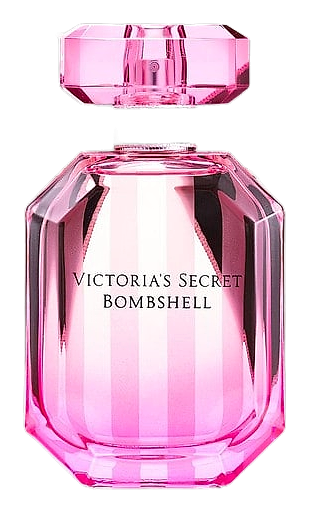
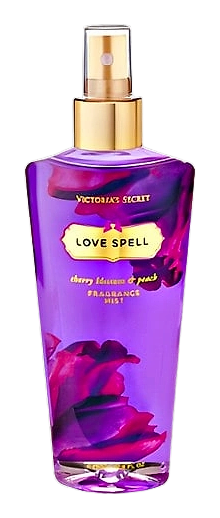
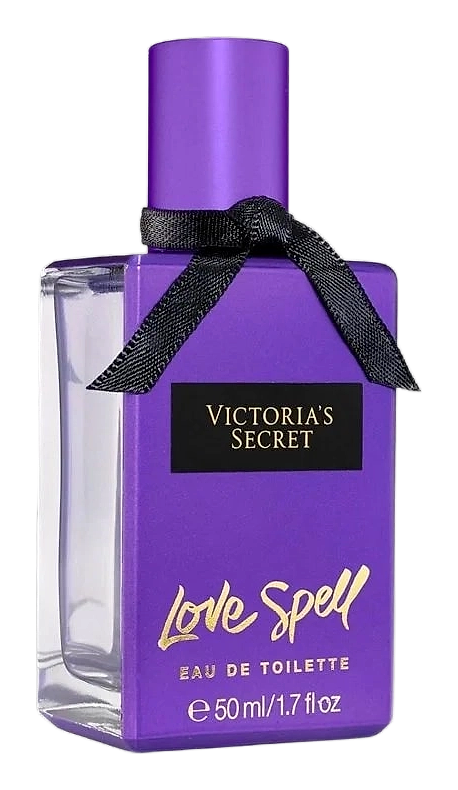
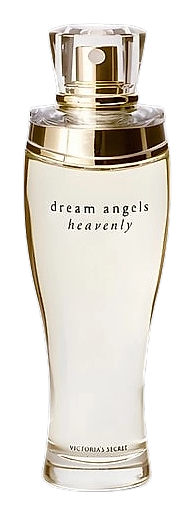
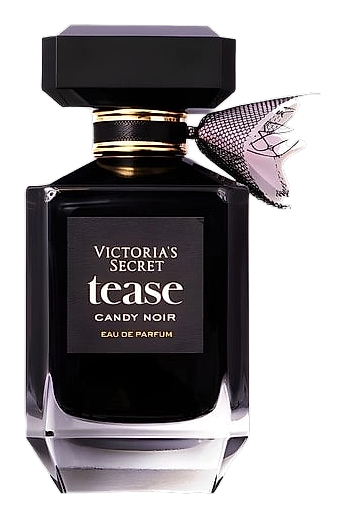
Victoria's SecretVictoria's Secret began as a San Francisco lingerie company founded in 1977 by Stanford graduate student Roy Raymond and his wife Gaye. The brand entered fragrance in 1989, launching its first perfume Victoria as part of a national magazine campaign. By the early 1990s, the company had grown to 350 stores nationwide with estimated sales of $1 billion. The beauty division grew substantially enough to generate nearly $1 billion in sales by 2006. Victoria's Secret fragrances are developed through Givaudan's Paris laboratory, the same fragrance house behind perfumes for Tom Ford, Prada, and Louis Vuitton. The brand works with a rotating roster of over 30 perfumers rather than a single in-house nose, creating scents for its Dream Angels, Very Sexy, Body, and Pink collections. Popular fragrances include Bombshell, Love Spell, Tease, and Heavenly, which ranked as the top-selling fragrance in the United States by both revenue and volume from 2005 to 2010. Victoria's Secret has won 20 Fragrance Foundation awards since 2001. The company offers fragrances alongside perfumed body care products including body mists, body lotions, and eau de parfum in various formats.
The Creator
Céline EllenaEllena favors clean, elegant compositions that feel natural yet intentional. She draws on her Grasse heritage to work confidently with raw materials from fig and peach to vetiver and iris.