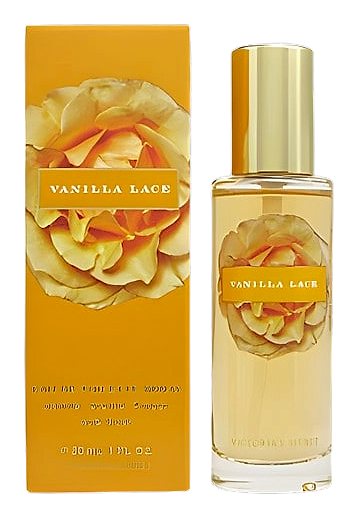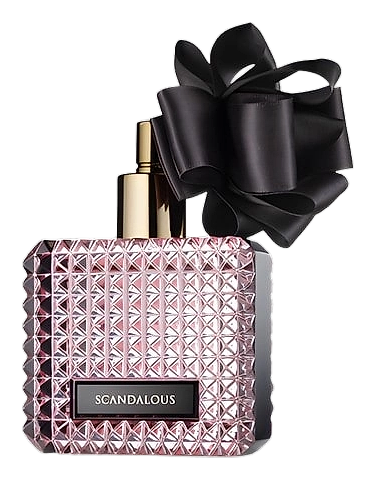

The Story
Why it exists.
The beginning
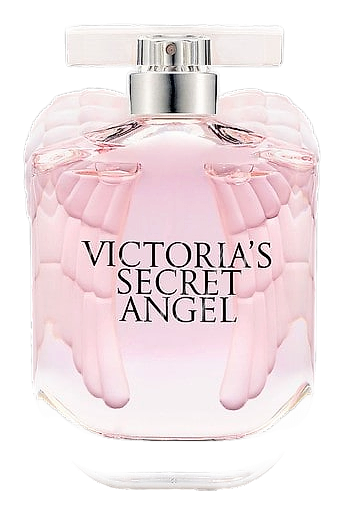
Marypierre Julien composed Angel in 2015, building it around a tension that works: fruit against florals, warmth against cool. The brief was simple on paper, plum, violet, amber, but the execution is where it lives. Julien understood something about Victoria's Secret's customer: she wants to smell feminine without ceremony. Angel gives her that. No dramatic opening, no performance, just a reliable, pleasant arc that goes from bright to soft and stays there. It doesn't announce itself. It settles in.
The plum-violet pairing is trickier than it sounds. Plum is inherently jammy, almost cloying if left unchecked. Violet is its opposite, cool, slightly green, medicinal in the wrong hands. In Angel, they balance each other. The plum gives the violet something to land on, something sweet. The violet keeps the plum from going too far into dessert territory. Then amber enters the picture, not resinous amber, not the kind that screams, but the kind that reads as warmth on skin. It's the difference between perfume and skin that happens to smell like perfume.
The evolution
The opening hits plum first. Bright, a little tart, the kind of sweetness that wakes things up. Within minutes, violet moves in and cools the whole thing down. That transition is the fragrance's most interesting moment, the shift from fruit to flower, from warm to cool, happens fast and it's seamless. The drydown is where amber takes over. Powdery, warm, close to the skin. On fabric, it lasts into the next day. On skin, expect 4-6 hours of something soft and present. The violet never fully disappears. It fades, but it leaves a trace.
Cultural impact
Angel sits comfortably within Victoria's Secret's broader fragrance philosophy: scents designed to enhance, not overpower. The brand's approach has always been democratic, fragrances that work across skin chemistries and budget ranges. Angel fits that mold. It's not trying to rival niche houses or compete for prestige positioning. It's a fruity floral that performs reliably, wears easily, and gets compliments without asking for them. That accessibility is the point.
The House
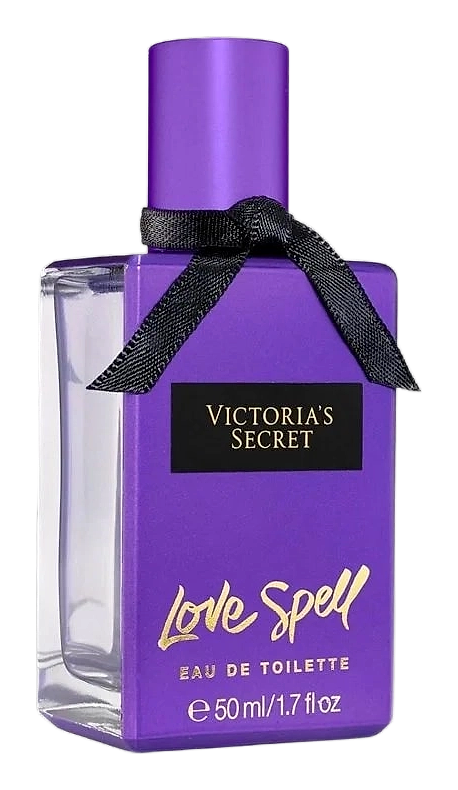
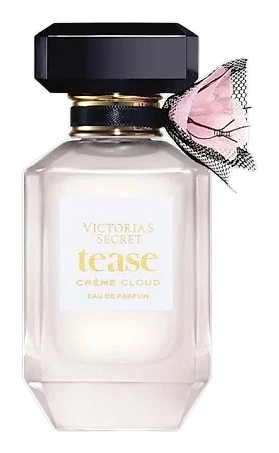
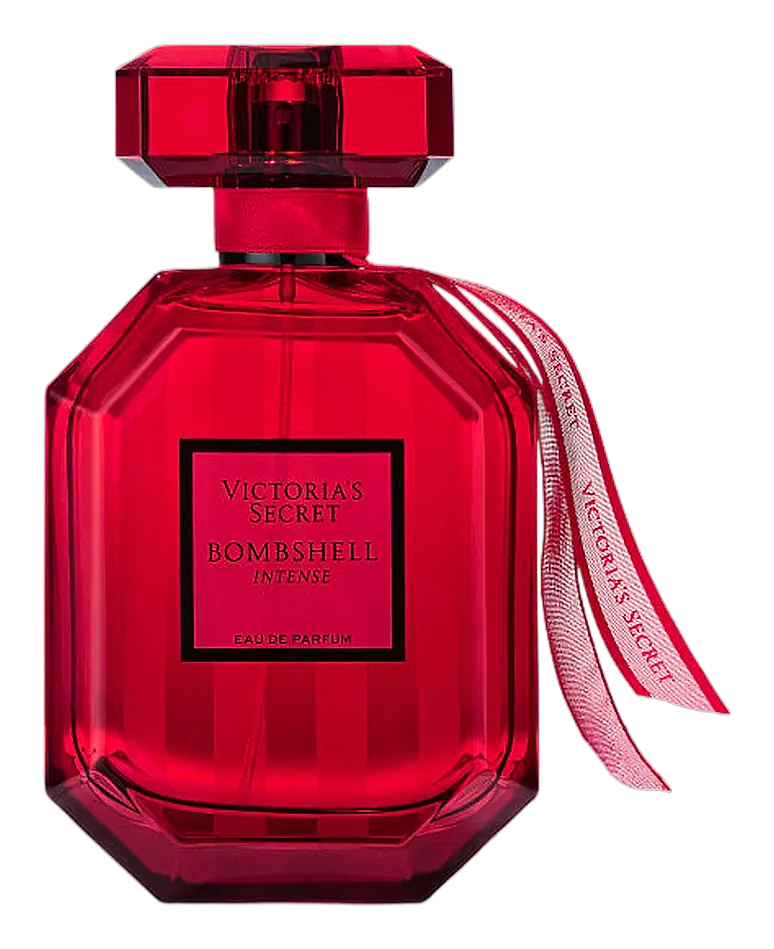
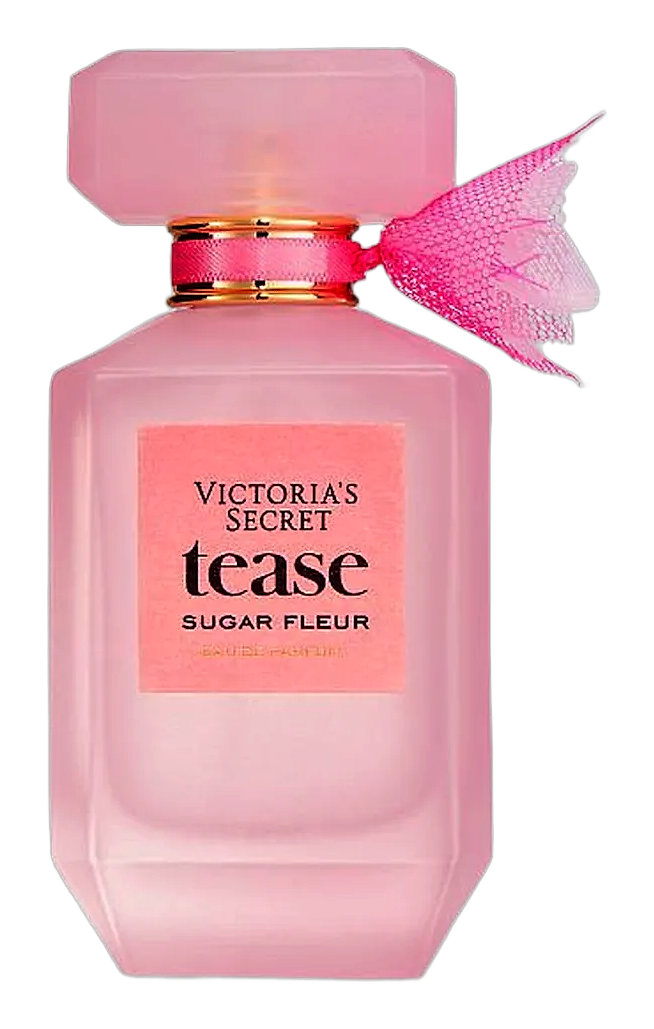
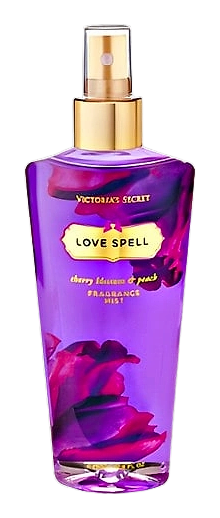
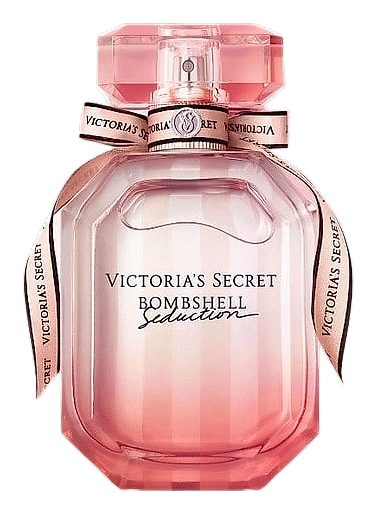
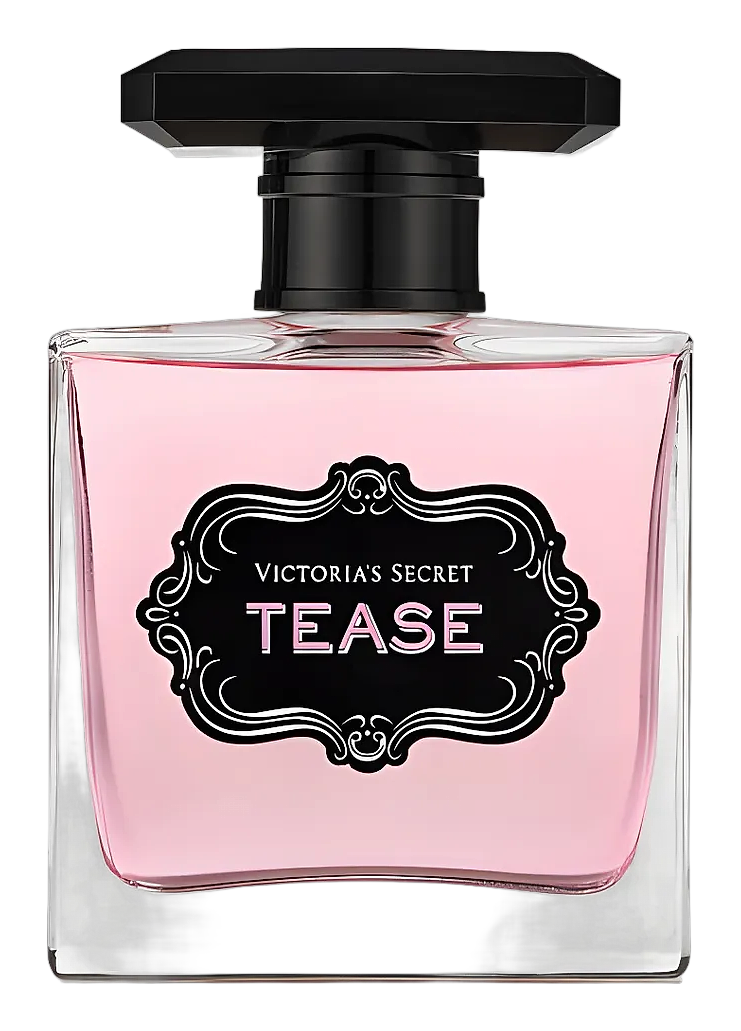
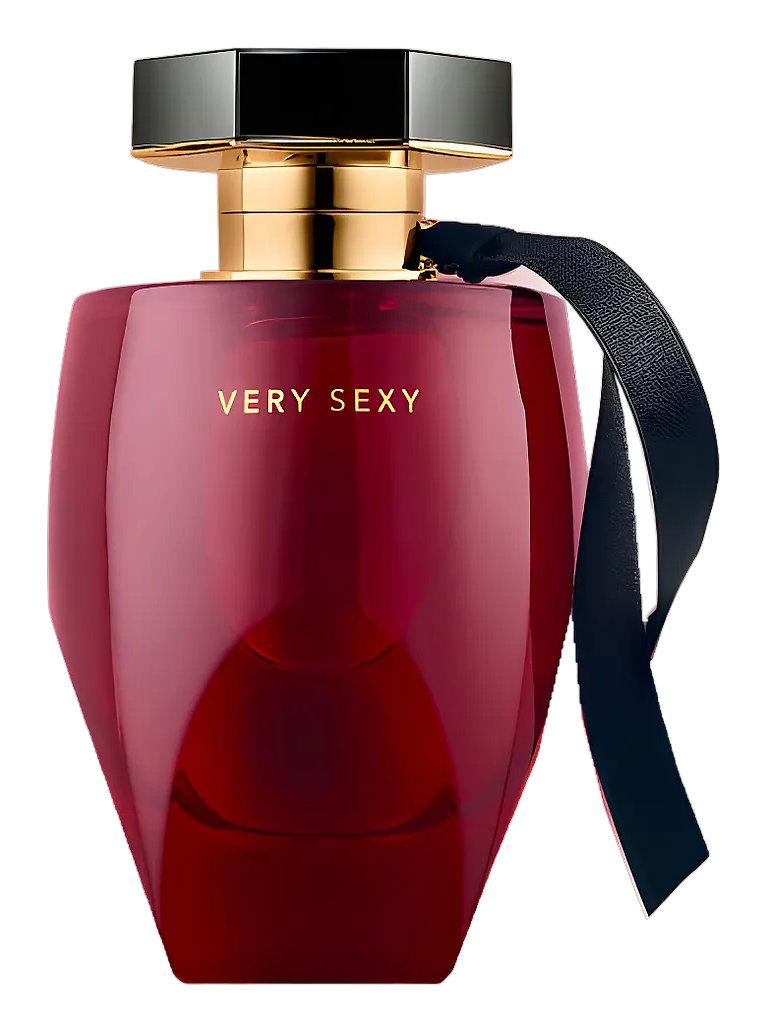
Victoria's SecretVictoria's Secret began as a San Francisco lingerie company founded in 1977 by Stanford graduate student Roy Raymond and his wife Gaye. The brand entered fragrance in 1989, launching its first perfume Victoria as part of a national magazine campaign. By the early 1990s, the company had grown to 350 stores nationwide with estimated sales of $1 billion. The beauty division grew substantially enough to generate nearly $1 billion in sales by 2006. Victoria's Secret fragrances are developed through Givaudan's Paris laboratory, the same fragrance house behind perfumes for Tom Ford, Prada, and Louis Vuitton. The brand works with a rotating roster of over 30 perfumers rather than a single in-house nose, creating scents for its Dream Angels, Very Sexy, Body, and Pink collections. Popular fragrances include Bombshell, Love Spell, Tease, and Heavenly, which ranked as the top-selling fragrance in the United States by both revenue and volume from 2005 to 2010. Victoria's Secret has won 20 Fragrance Foundation awards since 2001. The company offers fragrances alongside perfumed body care products including body mists, body lotions, and eau de parfum in various formats.
The Creator
Marypierre JulienHer signature lies in botanical precision and a particular gift for translating natural beauty into wearable form. Julien gravitates toward floral and herbal accords, her French sensibility softened by a Mediterranean directness.