The Story
Why it exists.
The beginning
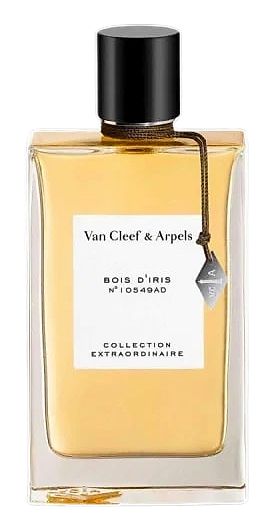
Collection Extraordinaire arrived in September 2009, six fragrances launched together, identical heavy glass bottles, simple black caps. Bois d'Iris was the one built around restraint. Emilie Bevierre-Coppermann chose a palette of four materials where most perfumers would have used twelve. Salt. Iris. Vetiver. Ambergris. The brief was clear: take the jeweler's eye and apply it to scent. Preciousness through reduction, not addition.
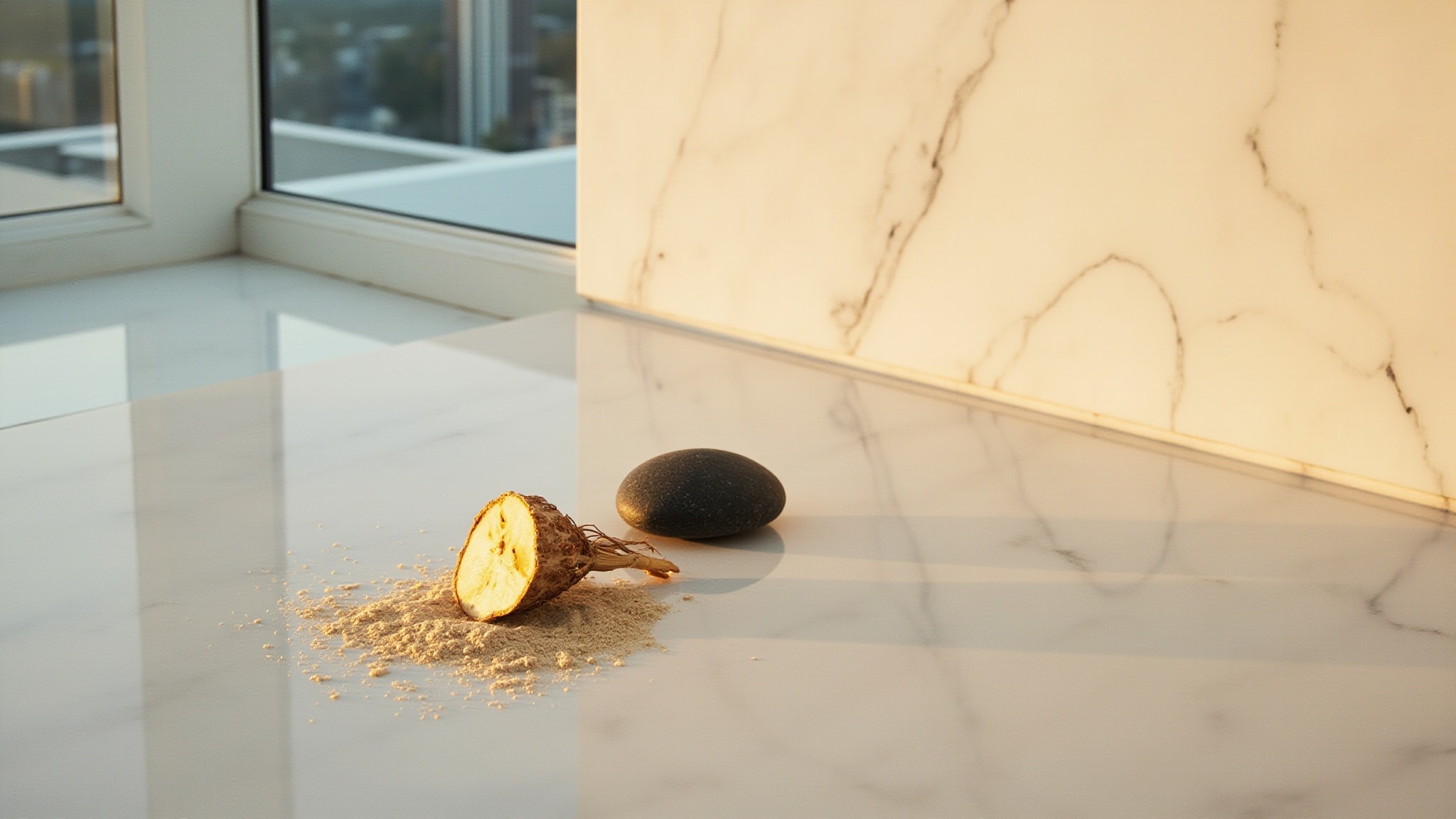
Iris root takes years to develop. The powder you smell in the bottle comes from orris that has been dried, cured, and aged, a material that costs more than many houses are willing to spend. Vetiver adds an earthy mineral quality that keeps the iris grounded in something that reads as wood rather than flower. Ambergris is the fixative that makes the whole thing last. Together, these four materials create a fragrance that doesn't announce itself. It waits to be discovered.
The evolution
The opening arrives quietly. Salt, not oceanic, not marine, but mineral. The kind of mineral that feels like clean stone under fingertips. No sweetness here. No fanfare. Then the iris begins to show itself. Slowly. Powder-dust at first, then something richer as the root's earthiness emerges. By the heart, the iris owns the composition. Vetiver and ambergris build beneath, adding an animalic warmth that stays close to skin. The projection never lifts. This is a fragrance meant to be found, not announced. The drydown strips away the mineral entirely. What remains is vetiver's dry wood, ambergris warmth, and iris lingering like a ghost. It becomes a skin scent in the truest sense, something that reads only when someone is already close enough to touch.
Cultural impact
The Collection Extraordinaire launched in September 2009 with six fragrances at roughly 130 Euro for 75ml, sold at Van Cleef & Arpels boutiques and select retailers. The campaign described the line as an authentic haute couture collection, rare materials, careful construction, a brief to honor the house's heritage through restraint rather than spectacle. Bois d'Iris occupies a specific corner of that project: the iris lover who wants precision over abundance.