Heritage
A house, in its own words
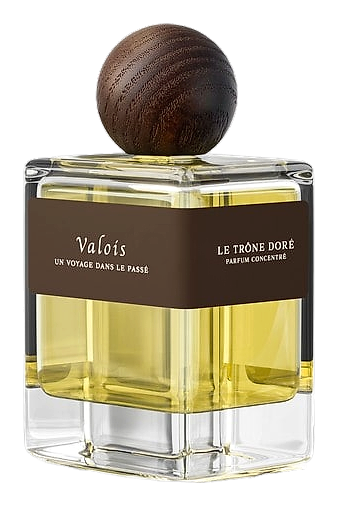
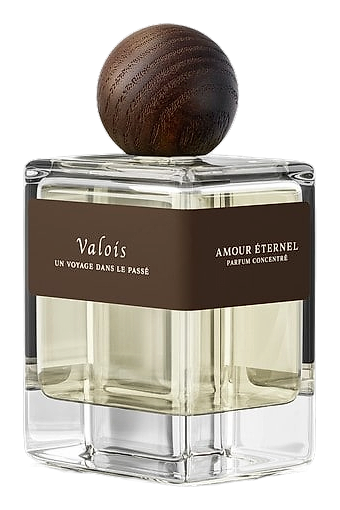
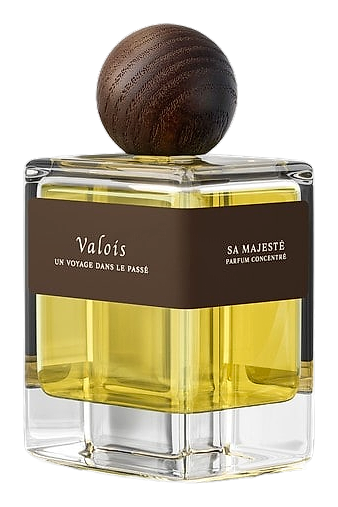
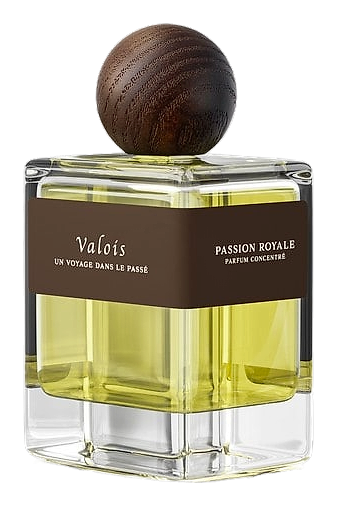
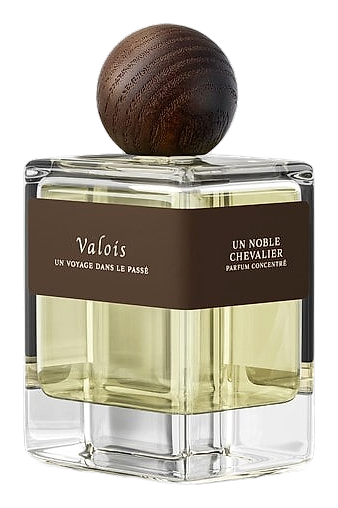
The Valois name carries a particular weight in French cultural memory. The House of Valois ruled France from 1328 to 1589, presiding over the later phases of the Hundred Years' War, the Italian Wars, and the early Renaissance at court. Royalty of that era used perfumed gloves, scented waters, and pomanders as both personal luxury and political instrument, an association that has long shaped how French fragrance narrates its own past. An earlier iteration of the brand, Parfums Valois, was a French perfume house active in the early to mid twentieth century, with a catalog that included Chanson d'Amour and Kasimir, compositions produced in an era when Parisian perfumery was dominated by houses cultivating florals, orientals, and elaborate bouquets for an international clientele. The current Valois brand draws on this dual inheritance, the medieval court and the twentieth century maison, presenting its 2024 debut collection as a continuation of a lineage rather than a beginning. The brand frames its work as inspired by the historical role of perfume in royal European courts, where scent accompanied ceremony, diplomacy, and private devotion alike. Because detailed documentation of the earlier maison's ownership, founders, and exact operating dates remains thin, the precise bridge between the historical house and the contemporary label is left suggestive rather than explicit. Valois approaches perfumery as a form of historical storytelling, treating each composition as an entry point into a specific chapter of court life. The naming conventions across the 2024 collection reveal the framework: Sa Majesté and Le Trône Dore evoke sovereignty and gilded ritual, Un Noble Chevalier summons the pageantry of knighthood, Amour Éternel points toward romantic devotion, and Passion Royale fuses the political and the personal. This is perfumery written in the language of ceremony rather than trend cycles. The brand's stated inspiration, the heritage of the Valois dynasty and the historical role of perfume in royal European courts, suggests an intent to position scent within a longer continuum of courtly aesthetics, one where fragrance functioned as a marker of rank, sentiment, and occasion. Whether that vision translates into the compositions themselves remains for wearers to judge, but the curatorial premise is consistent: every bottle is offered as a small artifact of an imagined, fragrant past. The philosophy privileges mood and narrative over the technical language of modern niche perfumery, and it asks the wearer to participate in that fiction rather than dissect it.