The Story
Why it exists.
The beginning
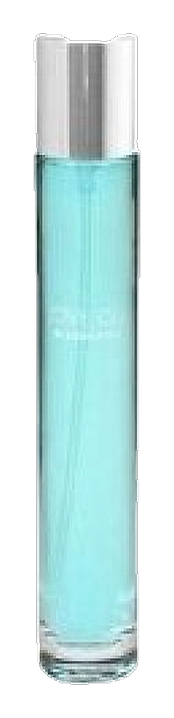
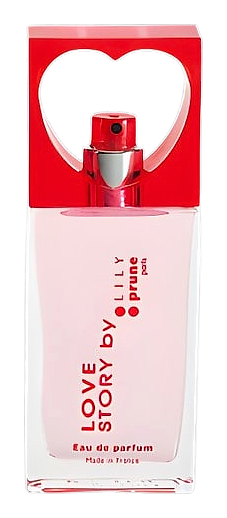
Ulric de Varens built a house on the principle that perfume shouldn't require a trust fund. Founded in France in 1981, the label spent the 1990s expanding across European department stores and specialty retailers, not to chase prestige, but to bring variety to people who simply wanted to smell good. By 2006, when Lily Prune Love Story arrived, the house had accumulated a catalogue spanning musk collections, fruity confections, and crisp citrus EDT formats. The Lily Prune Love Story was the label's entry in the love-fragrance category, a fruity-floral built around peach and lemon that refused to take itself too seriously. Named for the concept rather than a person or place, it captured something universal: the bright, uncomplicated optimism of early romance, when everything felt possible and the only agenda was feeling good.
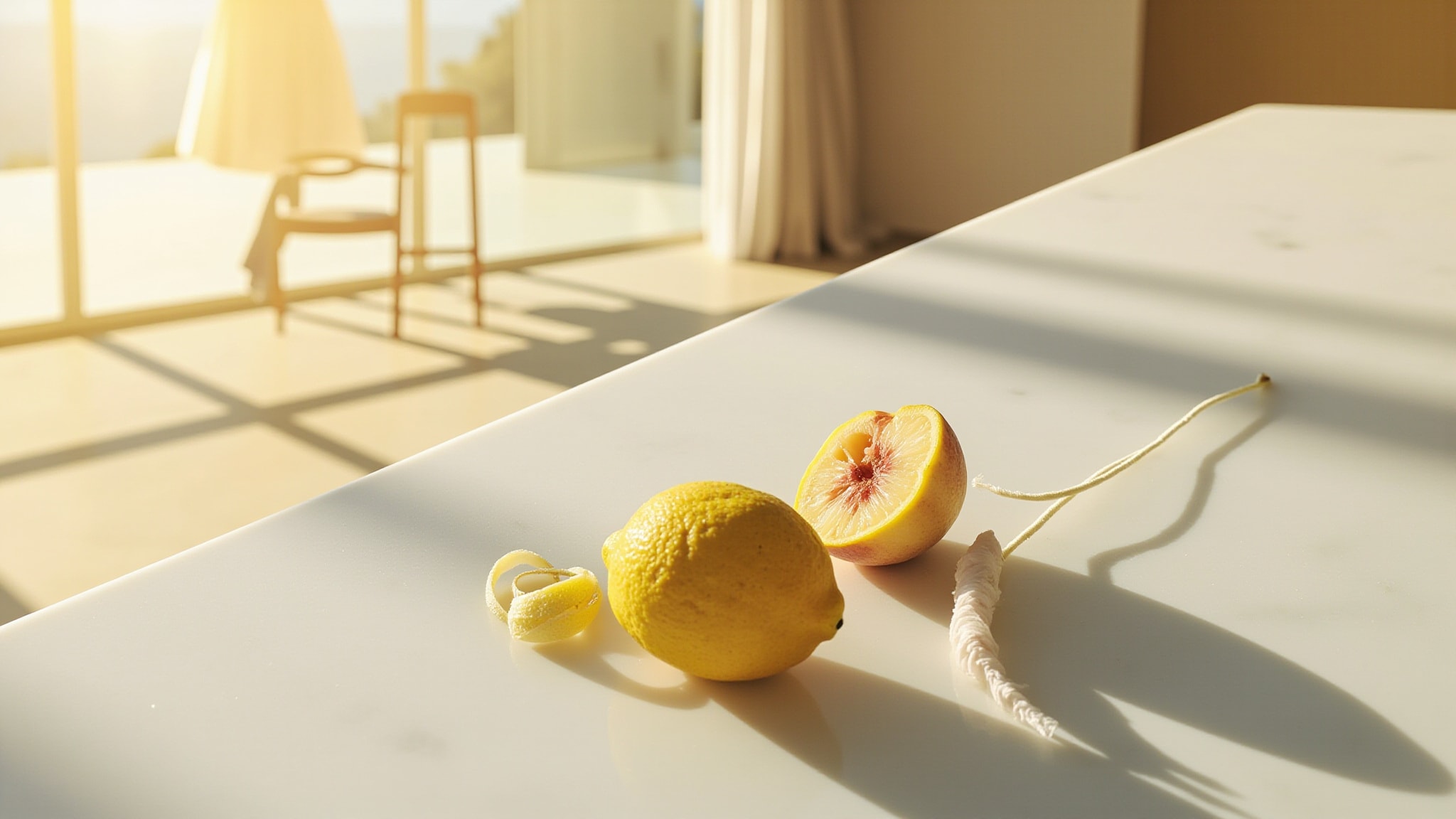
What makes this particular combination work is restraint. Peach and lemon together risk smelling like cleaning product, the citrus sharp, the stone fruit cloying. Here, the Amalfi lemon opens clean and bright, setting up the peach to arrive on its own terms rather than fighting for space. Freesia adds that characteristic powdery-floral edge that lifts the sweetness without turning it childish. The real move, though, is the cedar and amber pairing in the base, they don't try to extend the bright opening. They admit the frivolity, then quietly underline it with warmth that stays close to the skin rather than announcing itself across the room. It's an honest composition for an honest price point.
The evolution
The first five minutes are pure Amalfi lemon, zesty, sharp, the kind of brightness that makes you sit up straighter. Then the peach softens everything. Freesia slides in beside it, powdery and green, and the fragrance transitions from an initial citrus burst to something rounder, warmer, more intimate. By the thirty-minute mark, the lemon has receded and the heart belongs to peach and florals, cushioned. The cedar and amber announce themselves gradually, not as a dramatic shift but as a settling, warm wood, a hint of resinous sweetness, musk at the edges keeping it soft rather than sharp. The drydown isn't a revelation. It's an admission: this was always about peach and the warmth underneath it. On fabric, it lingers another two hours. On skin, closer to four before it becomes a memory you have to lean in to catch.
Cultural impact
Lily Prune Love Story occupies a specific niche in the early-2000s fruity-floral wave, a moment when peach, lychee, and citrus notes were flooding the mass market and making fragrance feel personal rather than aspirational. This one stood slightly apart from the conflate by keeping the sweetness honest: peach and lemon without the synthetic fanfare that plagued cheaper flankers of the era. Community feedback describes it as the scent of first dates and teenage optimism, dismissive from those who've moved on, nostalgic from those who haven't. The 2006 release predates the current niche renaissance but shares its underlying philosophy: fragrance as pleasure, not performance.