
Heritage
A house, in its own words
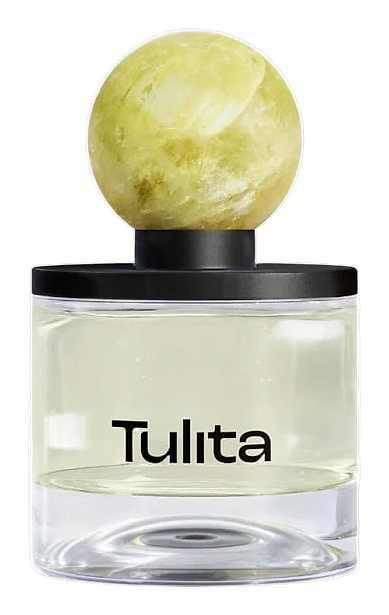
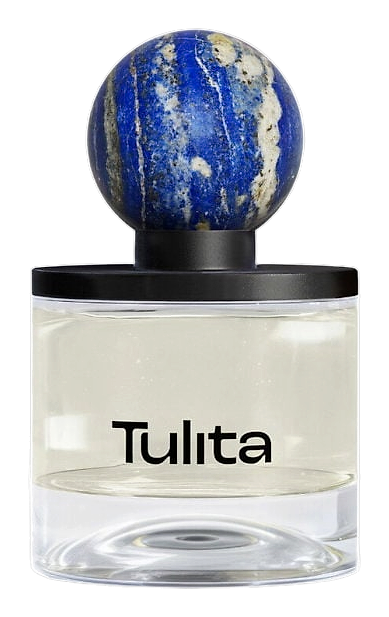
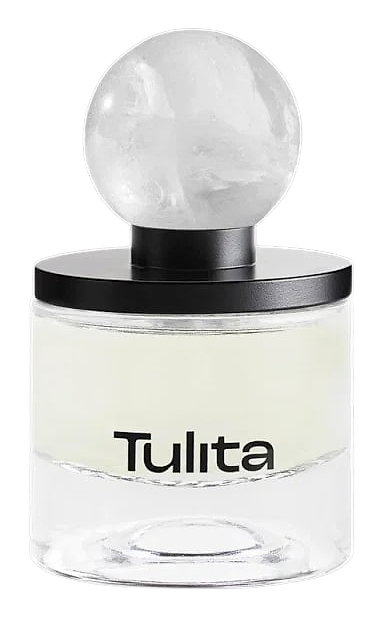
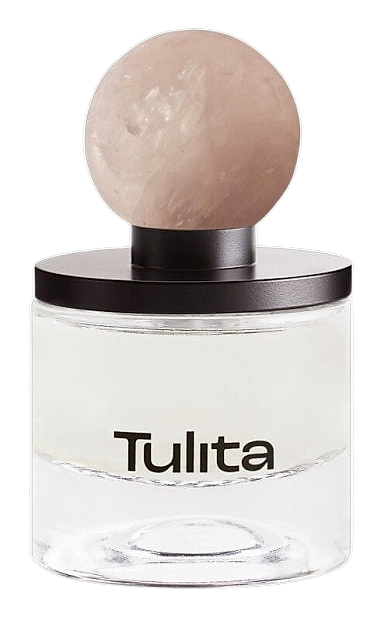
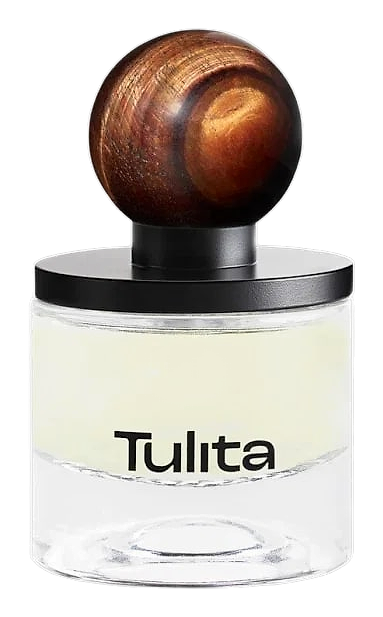
Tulita emerged from a single conviction: that natural fragrance need not mean compromise. Lucy Bradshaw founded the house in Melbourne, Australia, with a vision to set a new benchmark in luxury, ethical, and sustainable perfumery. The name itself carries intention. Drawing on the Sanskrit root meaning balance or equilibrium, Tulita reflects Bradshaw's belief that scent is more than adornment; it is a tool for alignment and wellbeing. From the outset, Bradshaw positioned Tulita at the intersection of botanical craft and modern perfumery. She assembled a team of world-class perfumers whose expertise in naturals could rival the complexity of conventional compositions. The early years were dedicated to proving a point: that plant-derived ingredients, handled with precision, could deliver the depth, longevity, and nuance expected of luxury fragrance. The brand's commitment to the Blue Beauty movement, a framework that goes beyond clean and green to address waterway protection and ecosystem impact, became a defining pillar. Bradshaw positioned Tulita not just as a natural fragrance house but as a regenerative one, asking harder questions about packaging, sourcing, and supply chain transparency. Recognition followed. Tulita's compositions have earned industry awards, validating the house's thesis that natural perfumery can compete at the highest levels. Retail partnerships with curated boutiques like Lore Perfumery helped introduce the brand to discerning audiences seeking alternatives to synthetic-heavy luxury. By the mid-2020s, Tulita had established itself as a reference point for conscious, plant-based perfumery from the Southern Hemisphere. Tulita was built on the idea that fragrance should nourish, not merely decorate. Bradshaw describes each scent as a love letter to ritual, a daily moment of presence and intention. The house structures its collection around the seven chakras, treating scent as a gateway to feeling rather than a performance for others. The creative vision rejects the false binary between natural and luxurious. Bradshaw insists that botanical perfumery can achieve the same depth, sillage, and longevity as its synthetic counterparts, provided the raw materials are exceptional and the perfumer's skill is uncompromising. This conviction shapes every decision, from ingredient selection to aging protocols. Sustainability at Tulita extends beyond surface-level claims. The brand embraces Blue Beauty principles, considering the full lifecycle of each product, from how botanicals are cultivated and harvested to how bottles are filled, packaged, and eventually returned to the earth. Bradshaw frames this not as a marketing angle but as a responsibility intrinsic to making scent from living materials. There is also a deeply personal dimension. Bradshaw speaks of scent as self-care, a way to reconnect with the body and the present moment. Tulita's fragrances are designed to be worn close, inhaled mindfully, and allowed to unfold throughout the day. The house invites wearers to slow down, to treat fragrance as ceremony rather than accessory.