

Heritage
A house, in its own words
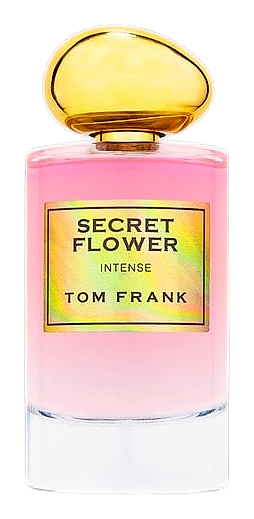
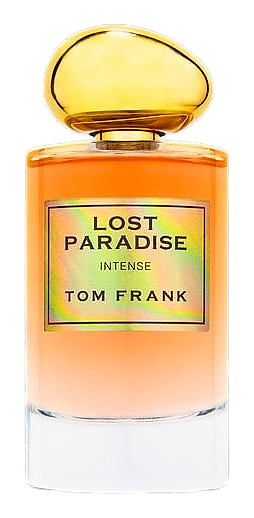
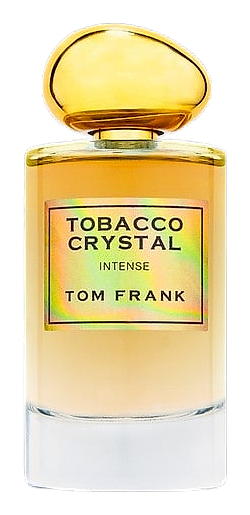
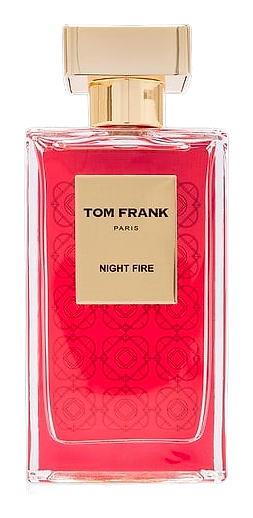
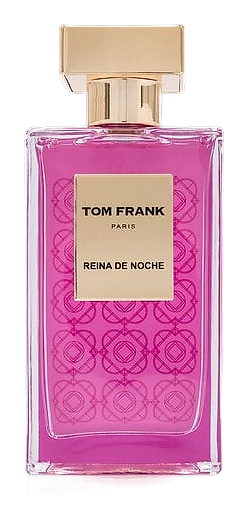
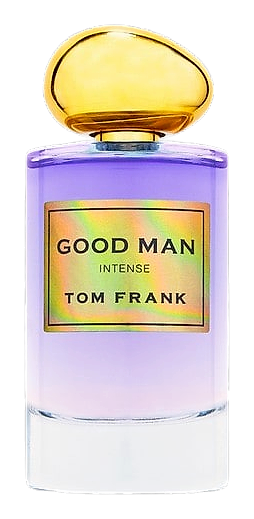
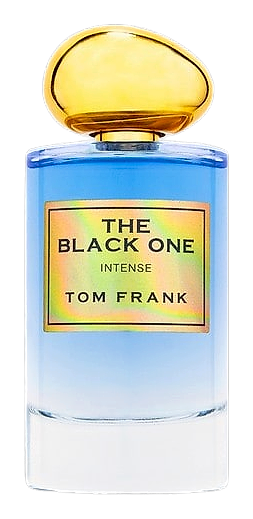
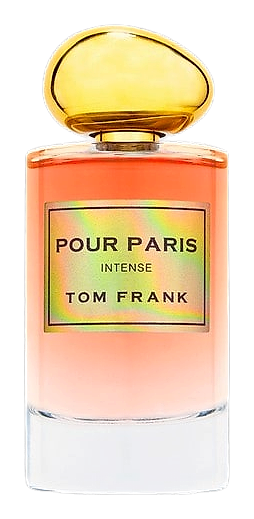
Information about Tom Frank's origins is limited, and the brand does not appear to have a widely documented founding story in independent fragrance media. What is verifiable is that Tom Frank is positioned as one of the houses associated with the Innefablux group, which releases fragrances under multiple brand names designed to appear as independent perfume Maisons. The brand's first documented commercial activity traces to 2018, when ten fragrances, ranging from Night Fire and Black Jasmine to Pour Paris and Lost Paradise, appeared on fragrance databases and e-commerce platforms within the same calendar year. Unlike heritage Parisian houses with archives stretching back to the 19th century, Tom Frank emerged during a specific period when private-label fragrance production in France and the wider European market made it feasible to launch a named label quickly, with formulation, bottling, and packaging handled by partner facilities while the brand identity and marketing were developed separately. The absence of a named perfumer in third-party databases such as Fragrantica and Parfumo reinforces this picture: Tom Frank functions more as a curated brand label than as a composer-driven atelier. The brief 2018 debut window is the brand's most concrete milestone. No subsequent major reformulations, relaunches, or award recognitions from bodies like The Fragrance Foundation or the Art and Olfaction Awards appear in public records. For collectors, that 2018 entry makes Tom Frank a useful reference point in the broader story of late-2010s European niche fragrance proliferation, though the house itself has left few published traces of its own history. Tom Frank's creative direction, as inferred from its 2018 catalogue, appears organized around duality: light and dark expressions sit side by side. Night Fire, The Black One, Black Jasmine, and Perle Noir point toward a nocturnal, smouldering register, while Secret Flower and Reina De Noche extend that mood into warmer, more floral territory. Good Man functions as a straightforward masculine anchor, and Pour Paris gestures toward the romantic idea of Paris itself as a fragrance subject. The result is a debut range that reads less like a single artistic vision and more like a deliberate survey of moods a wearer might want to inhabit. Because no public interviews, perfumer credits, or founder statements from the brand are available, philosophy here can only be sketched from the names themselves. What is clear is that Tom Frank avoids the minimal "one note, one feeling" stance of some contemporary niche houses. Instead, the brand works across orientals, florals, gourmands (Tobacco Crystal), and fresh compositions, trading auteur focus for range. Whether that breadth reflects an intentional aesthetic or simply the practical output of a brand launching multiple SKUs at once is a question the company has not, on the record, addressed.