The Story
Why it exists.
The beginning
Sula Champagne Sugar arrived in 2007 as part of Susanne Lang's broader vision: scent as memory made tangible. But where other fragrances in the collection reach for specific moments, a lover, a place, a feeling, Champagne Sugar aimed for something harder to pin down. The lift. The effervescence itself. Susanne Lang built the Sula line around playful, named offerings: Girl Next Door, Supermodel, Vixen. Fragrance as personality archetype. Champagne Sugar fits the collection's logic, it's a mood as much as a scent. Not a character but a feeling: the moment before.
What makes the composition unusual is the structural honesty. Most fruity-gourmand fragrances use champagne as a marketing word, a shorthand for sweetness and sparkle without the actual fizz. Champagne Sugar takes the note literally. The aldehydic lift in the opening is real effervescence, the kind that pricks the back of the throat. Ginger doesn't just warm the sweetness; it directs it. The sugar doesn't diffuse, it concentrates, creating density in the heart that keeps the fizz from dissipating into thin air. It's a careful balance: festive enough to celebrate in, restrained enough to wear alone.
The evolution
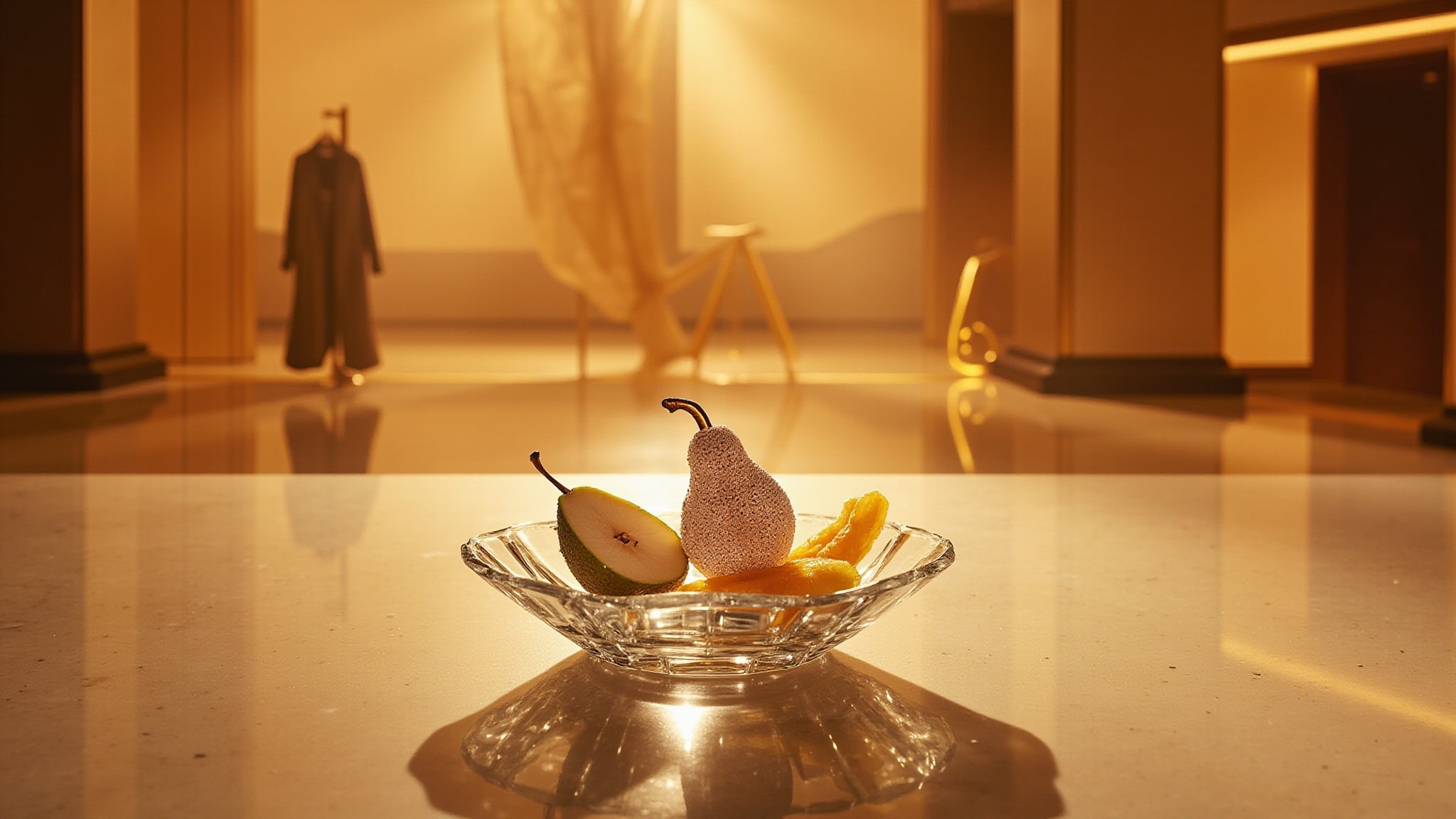
The opening arrives quick, a sharp fizz that carries ginger's warmth on the exhale. For the first ten minutes, the champagne accord dominates, bright and slightly aldehydic. Then the sugar swells. Not aggressively, more like a tide coming in. Candied fruit appears mid-way through the heart: pear and apricot softened by the champagne note itself. The ginger doesn't disappear. It lingers beneath, a clean heat threading through the sweetness. The drydown is where the fragrance earns its name. The fizz retreats but doesn't vanish. Sugar remains warm against the skin, with candied fruit fading last, a quiet sweetness, intimate and close, as if the celebration moved from the room to the space just around you.
Cultural impact
Sula Champagne Sugar arrived in 2007 during a pivotal shift in niche perfumery, when independent brands began positioning playful, personality-driven fragrances against the traditional serious-perfume model. The Sula collection, with names like this one, treated fragrance as character rather than mere accord, influencing how smaller houses marketed their releases. The fruity-gourmand boom it joined would eventually reshape mainstream fragrance marketing, but in 2007, it felt distinctly outsider. Susanne Lang's willingness to name rather than describe, Champagne Sugar as identity, not ingredient list, anticipated the Instagram-era fragrance conversation by a decade.