
The Story
Why it exists.
The beginning
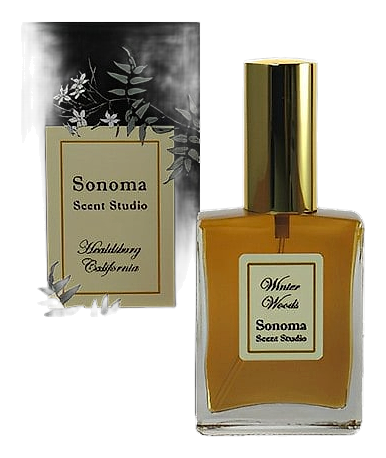
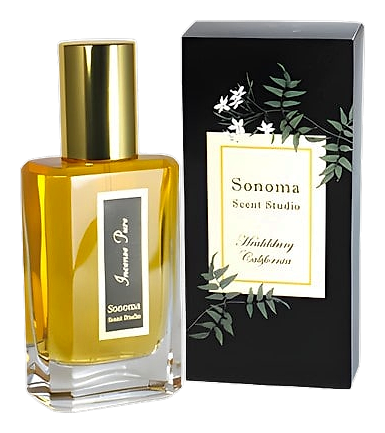
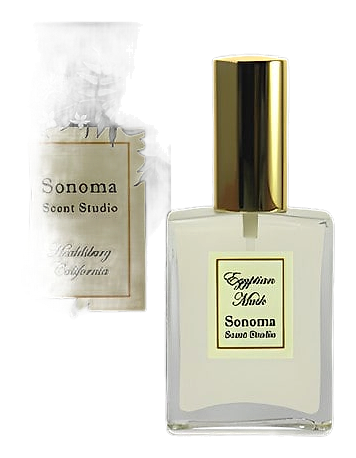
Egyptian Musk arrived in 2006 from Laurie Erickson's hands-on studio in Sonoma, California, the same independent operation where she'd been blending essential oils at her workbench for years before anyone called her a perfumer. The name says it all: not a concept fragrance, not an abstract idea. A material. Erickson wanted to make a musk that did what musks do when they're done right, wrap around the wearer rather than announce themselves. Not loud, not synthetic-screaming, not the Jovan-drugstore cliché sitting in a bathroom cabinet somewhere. Something that actually smelled like skin, but better. The kind of musk you wear when you want to smell like you, warmed up.
What makes Egyptian Musk interesting isn't what it adds, it's what it leaves out. Most musk compositions load up on brightness to seem interesting in the opening, then collapse into something flat. Here, Erickson lets the musk lead from the first moment and keeps leading. The patchouli adds an earthy, slightly bitter counterweight that stops the powder from turning soapy. The sandalwood brings warmth without sweetness. The floral notes, muted, background, keep everything from going too dark. It's a composition that knows what it wants to be and refuses to apologize for it. The restraint is the point.
The evolution
The opening doesn't tease or delay. Egyptian Musk arrives already warm, already intimate, the musk reading as soft powder and skin-close warmth from the first seconds. There's no bright citrus pop, no sharp aldehyde flash. Just warmth, settling in. Within the first half hour, the patchouli begins to surface, earthy and dry, like soil after rain. This is the moment the fragrance earns its complexity. The florals hover in the middle distance, not blooming forward but softening the earthiness, keeping everything wearable. The sandalwood arrives as the drydown deepens, adding a warm woodiness that rounds out the powder. What lingers is close to the skin, a clean-skin scent that never quite disappears, the kind of presence that someone leaning in will notice before someone across the table. On fabric, it holds for hours. On skin, plan for the longevity to depend on your own chemistry, but when it fades, it fades gently, no harsh edge, just warmth that steps back.
Cultural impact
Discontinued now, Egyptian Musk has become harder to find and more sought-after among those who've worn it. In a landscape of loud, projection-obsessed compositions, it represents a different philosophy: scent as intimacy rather than announcement. The kind of fragrance that gets better with a second look.