The Story
Why it exists.
The beginning
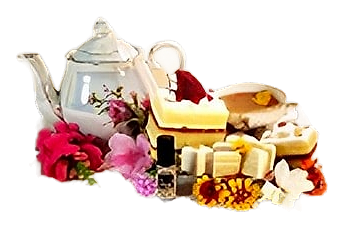
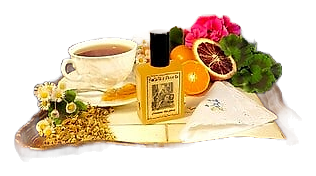
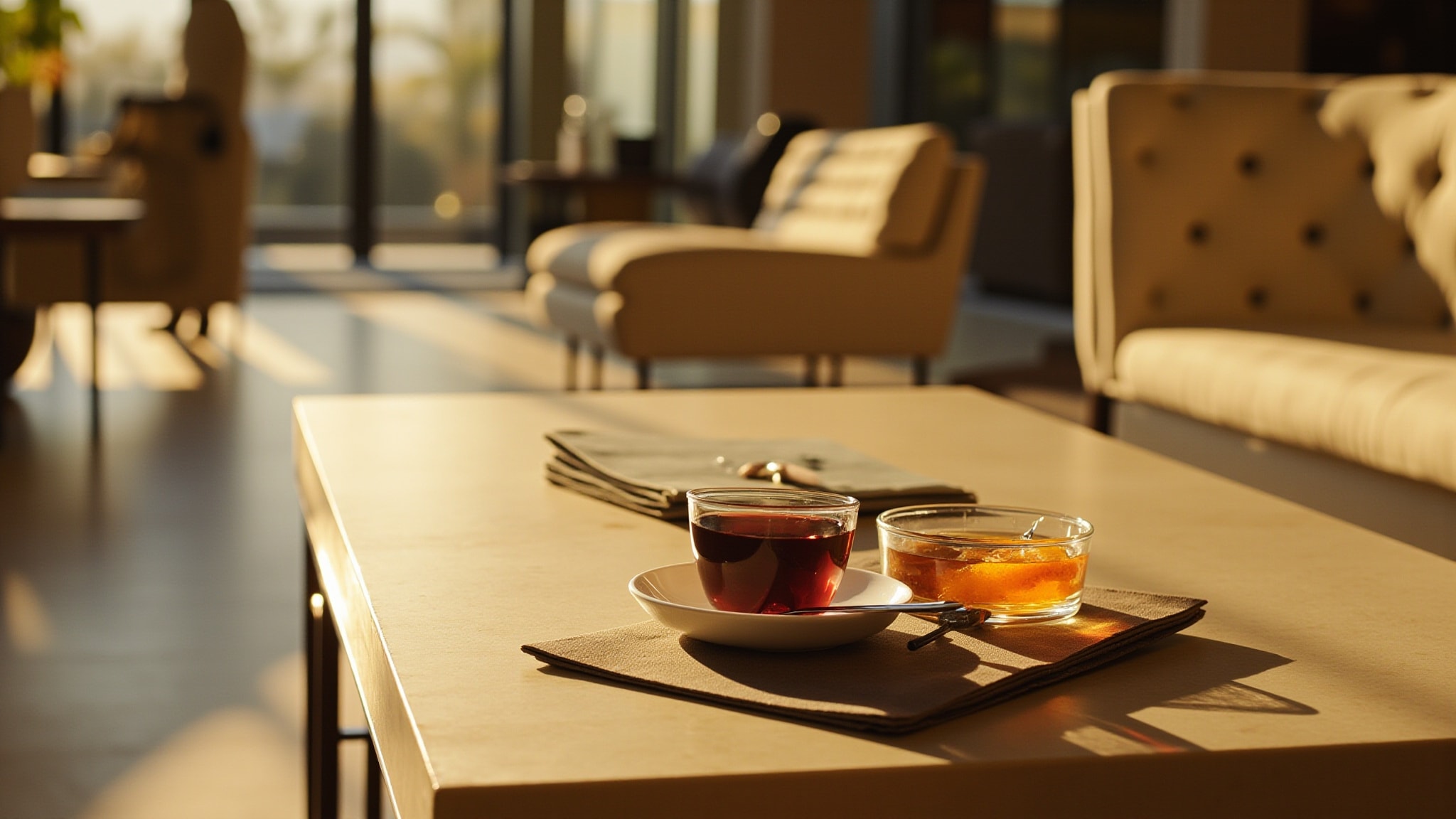
Victorian Tea Room is described as a completely reinterpreted and reformulated version of an earlier release under the same name. The 2018 release that emerged is a bright, juicy composition built around kumquat-orange marmalade, light palmarosa, and Roman chamomile, finished on a vanillic amber base. The fragrance carries a floral-fruital character that lends it a gentle, pleasant register. It's the kind of scent designed for an afternoon where you want something light and soft near your skin, rather than a statement piece that demands attention. The formula pulls together bright citrus, herbal floral, and warm amber elements into a composition that reads as effortless, even though reaching that kind of ease takes careful blending.
What makes this one interesting is the palmarosa. Most people read it as rose or geranium, but it carries a watery, almost tea-like quality that bridges the floral heart and the black-tea drydown underneath. Roman chamomile adds a calm herbal note that softens the entire composition. The kumquat marmalade element gives it a zesty lift, and the natural-and-synthetic rose mix adds a softness that pure naturals alone can't always reach. The fragrance leans on a blend of natural extracts and synthetic materials, with the source materials noted to include both.
The evolution
The first ten minutes are all zest. Kumquat marmalade and lemon lift off the skin in a bright, almost confectionery wave, while palmarosa adds a green, watery shimmer beneath. Roman chamomile settles in early, lending a calm herbal hush that keeps the citrus from veering into anything sharp or synthetic. Around the thirty-minute mark, the rose accord and rose geranium step forward, and the composition turns gentle. The black tea note that was hovering beneath the surface grows more present. Dry and tannic, it carries the dry character of steeped tea leaves. The fruit fades to a suggestion. The florals soften. By hour two or three, you're wearing mostly amber and vanilla. The vanilla reads vanillic rather than gourmand, warm and resinous rather than sweet. The amber underneath gives it weight without pulling it into oriental territory.
Cultural impact
Victorian Tea Room reads as nostalgic on paper, with its marmalade-and-tea concept calling up images of porcelain cups and afternoon windows, but the execution is restrained enough to avoid costume. The fragrance uses a natural-and-synthetic rose mix, which gives the floral heart a softness that pure naturals alone can't always reach. It draws collectors who want something bright and wearable without sacrificing complexity. The bright citrus opening, the herbal-floral heart, and the warm vanillic amber base work together to create something that feels considered and original, rather than leaning on familiar gourmand or oriental territory.