
The Story
Why it exists.
The beginning
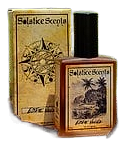
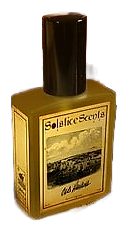
The name carries weight. Old Havana isn't just a location, it's a state of mind, a specific quality of light on weathered buildings and the smell of cigars rolling through warm evening air. The fragrance opens with tobacco and cedar, but also the salt air that cuts through everything. A flash of lime brightness arrives first, a distinctive opening before the depth follows. The composition captures something essential about that place and time.
What makes this composition interesting is its structural contradiction: maritime freshness paired with tobacco warmth. Most fragrances lean toward one direction or the other. This one holds both, and the tension between them is what keeps Old Havana compelling across its wear time. The sea mist accord doesn't just float on top; it threads through the drydown, keeping the tobacco from becoming heavy or one-dimensional. It's a small decision that changes everything.
The evolution
The opening arrives quick, lime zest and salt spray, bright in its initial burst. Within minutes the citrus fades and the tobacco asserts itself, smooth, with cedar providing structure underneath. The sea mist doesn't disappear; it lingers at the edges, a cool counterpoint to the warmth building at the skin. By hour two, the spices arrive, warm, complex, but never aggressive. The drydown is where this fragrance earns its name: tobacco and wood, salt-kissed and close, lasting through an evening without announcing itself.
Cultural impact
Old Havana occupies a specific niche in the indie fragrance world: tobacco compositions that maintain unexpected freshness throughout their wear. The aquatic thread keeps it wearable across warmer evenings, while the tobacco and cedar ensure it holds its own in cooler weather. It's a fragrance that rewards attention, its layers reveal themselves slowly, and the sea mist accord is distinctive enough to catch notice among those familiar with fragrance composition.