Heritage
A house, in its own words
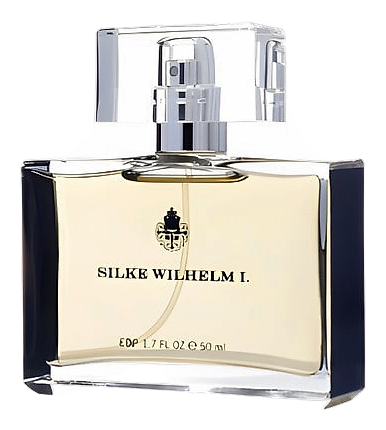
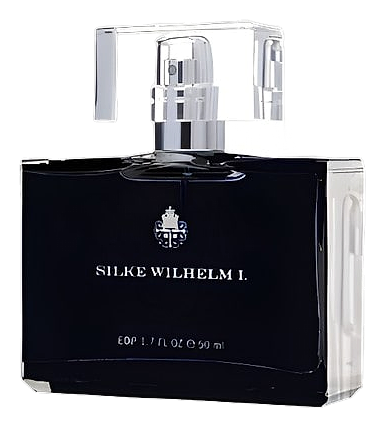
Silke Wilhelm I. was founded by the German designer Silke Wilhelm. The available brand record identifies two fragrances from the house, Lucent and Embrace, and places both in 2009, making the launch year the clearest documented point in its history. One fragrance database notes that it is not aware of release years for the brand, while another lists both perfumes as 2009 releases, which indicates a degree of consistency around the date without providing a detailed company timeline. No reliable sources in the supplied research identify the founding year as a separate event from the fragrances’ debut, and no founder biography, original company name, later ownership changes, or geographic expansion milestones are available. The history of Eau de Cologne surfaced in the research refers to the origins of cologne in Cologne and to names such as Wilhelm Mülhens and Farina, but these references concern the broader history of perfumery rather than Silke Wilhelm I. They should not be treated as part of the brand’s own story. On the evidence available, the house’s heritage rests on a small, concentrated catalogue created by a German designer and its two named releases from 2009. The supplied sources offer little direct commentary on Silke Wilhelm I.’s creative method, so any account of its perfumery philosophy must remain rooted in what can actually be observed from the catalogue. Lucent and Embrace form a deliberate pair of contrasting names. “Lucent” suggests luminosity, openness, and a transparent mood, while “Embrace” suggests closeness, touch, and warmth. Together, they present fragrance as a means of expressing different forms of presence, from something light and lucid to something more enveloping. Because both were introduced in 2009, they also establish the house as a designer-led fragrance project with a compact point of view. There is no verified information naming an in-house perfumer or explaining the briefs behind either scent. For that reason, interpretations of the accords, the intended wearer, or the technical intent behind each name should be treated as readings of the titles rather than confirmed statements from the founder. The most defensible philosophy is one of focused contrast, expressed through two evocative names launched as a unified collection.