Kim Weisswange
Kim Weisswange built her reputation in Hamburg, a port city whose blend of maritime air, spice warehouses, and Hanseatic discipline shaped her sensibility as a perfumer. Trained in the German tradition of precise raw material evaluation, she established her own atelier early in her career, splitting her creative output between bespoke fragrance commissions and a parallel venture crafting fine spirits and gin. This unusual dual practice gave her an intuitive grasp of botanical distillation that few of her peers share. Her breakthrough arrived through high profile commissions that demanded both narrative sensitivity and technical command. She composed the wedding scent for Prince William and Catherine Middleton, spending weeks refining accords meant to translate a very public occasion into something intimate and wearable. Around the same period, her work for houses like Amouage and L'Artisan Parfumeur confirmed her ability to operate within luxury brand structures while retaining an unmistakably personal signature. More recently, she marked a quarter century in fragrance with The Scent of Time, an aromatic perfume calendar that treats the calendar year as a composition in twelve movements.
The hits
Notable creations
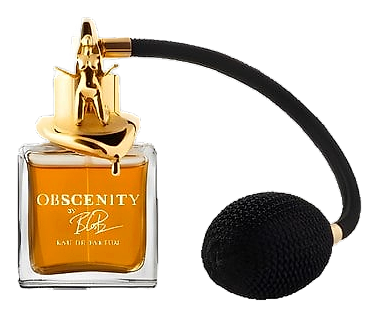
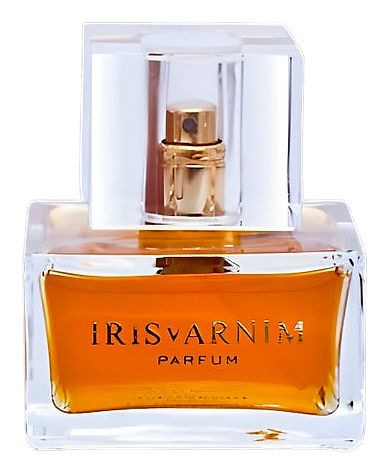
The signature
How Kim composes
Weisswange draws confidently on both fine fragrance and the botanical vocabulary of distilling. Her compositions tend toward clarity rather than density, with transparent structures that let individual ingredients speak. Vetiver appears repeatedly in her work, handled with a green, slightly smoky edge that distinguishes her treatments from the sweeter, rootier versions common in mainstream perfumery. She favors natural essences where the brief allows and is known for her precise dosing of aromatics lifted from gin making: juniper, citrus peels, spice. This gives several of her fragrances a crisp, slightly bitter opening that settles into warmer, resinous bases. Ambergris style materials, smoky woods, and well judged florals recur across her portfolio. Her strength lies in juxtaposition, placing fresh and dark elements in close proximity so the wearer registers a quiet tension between them rather than a single mood.
Philosophy
What drives Kim
Weisswange treats scent as a container for time and memory, not merely as decoration. Her work often begins with a concept or a feeling rather than a raw material, and she builds outward from that emotional center. Cinema, travel, and the rhythms of the seasons feed her briefs as much as any traditional perfumery library. She has spoken about wanting her creations to age with their wearer, revealing different facets across hours and across years. This patience informs her process: she prefers slow maceration and revisits formulas long after most perfumers would consider them finished. Collaboration matters to her. She treats clients and brand partners as co-authors, not recipients, and approaches each commission as a problem of translation. How does a wedding, a city, a season become something one can wear on skin? That question drives her more than any allegiance to a particular family or genre.
The houses