
The Story
Why it exists.
The beginning
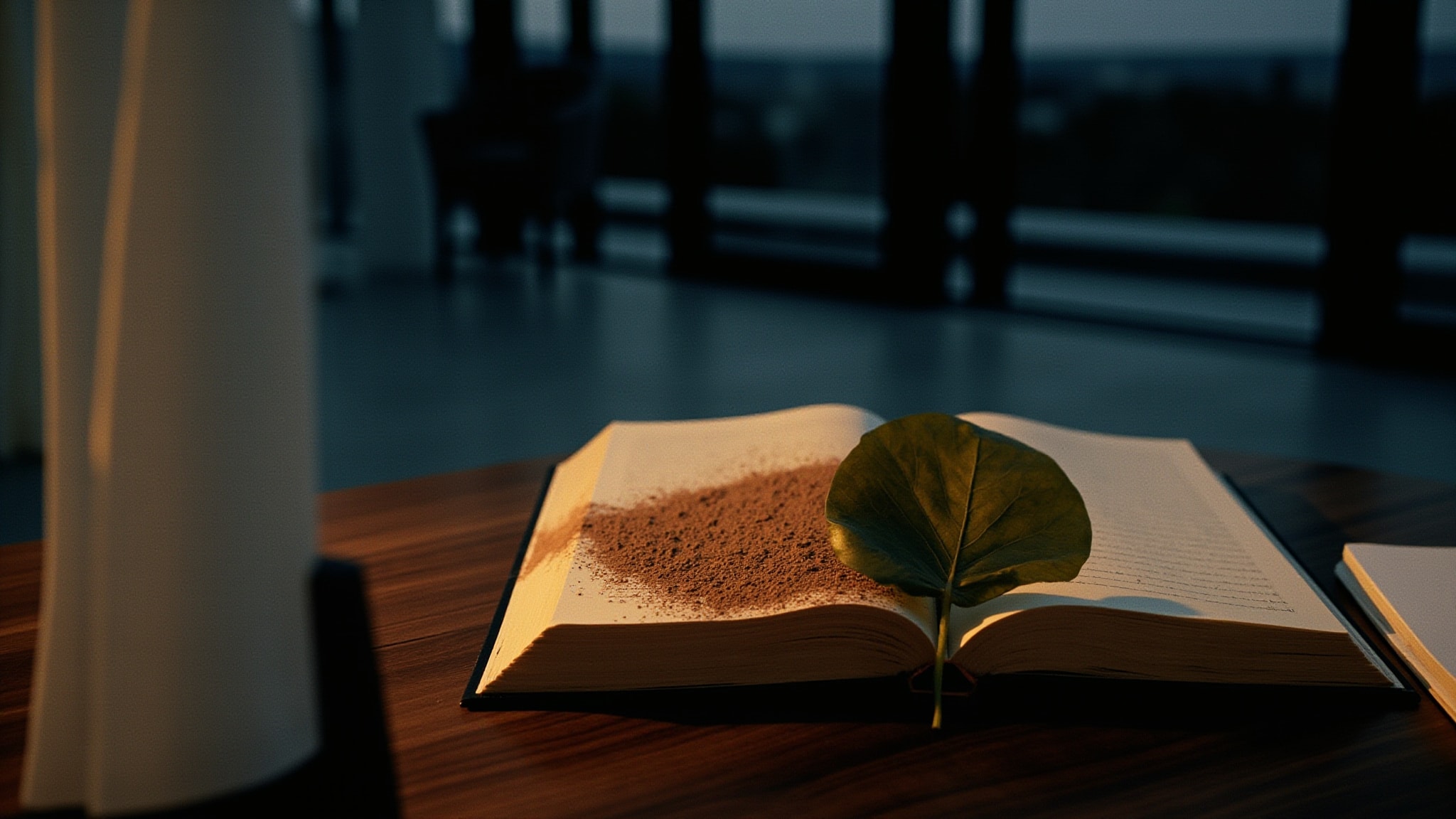
Dust is built around the language of residue and remembrance: the hush of dust, paper that has grown old, and the green presence of fig leaf. Its profile is contemplative rather than nostalgic in a simple way, carrying the quiet tension of what is gone and the relief of what remains. The fragrance opens with a dry, still atmosphere touched by green fig leaf, then settles into warmer layers of fruit, coffee, and fig wood. Cedar anchors the composition as the softer materials recede, leaving a woody, powdery impression that feels intimate and unhurried.
The composition pairs fig leaf and fig wood with dust, cedar, coffee and aged paper. That combination gives Dust an unusual material quality. Leaf and wood keep the fruit from becoming merely sweet, while cedar gives the powdery center something dry and structural. Coffee adds a human warmth, but it is not allowed to become the whole story. Paper and dust sit underneath like an afterimage, making the fragrance feel less like a finished object than a trace left behind by memory.
The evolution
At first, Dust presents itself as a quiet atmospheric wash. Fig leaf gives the opening a green, almost damp edge, while dust and paper make the air feel dry and still. The heart brings fig, coffee and fig wood into focus, adding fruit, bitterness and a rounded warmth without losing the composition's restraint. Cedar becomes the lasting anchor as the sweet and fruity material recedes. The drydown is woody, powdery and intimate, like cedar kept beside a desk after the coffee has gone cold. As the scent settles, the opening greenness softens into a blend of dry paper, dusty texture, fruit, and grounded wood.
Cultural impact
Dust explores fragrance as a medium for atmosphere and recollection. Its language of dust, paper, fig leaf, coffee, and cedar gives the composition a sense of stillness without becoming distant or removed. The green opening offers a natural freshness, while the warmer heart and woody drydown create a close, reflective character. Its appeal lies in the way familiar materials can suggest absence, memory, and continuation at once, making Dust feel suited to quiet moments of attention and discovery.