Heritage
A house, in its own words
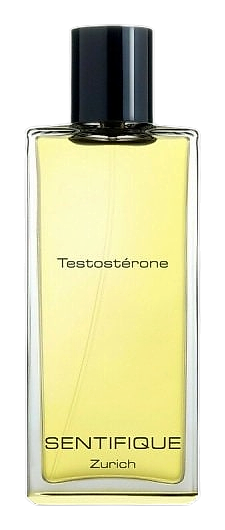
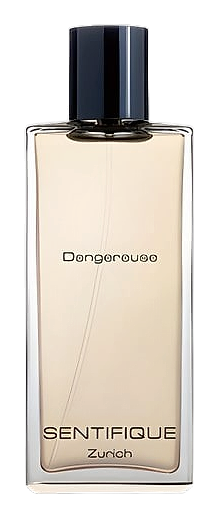
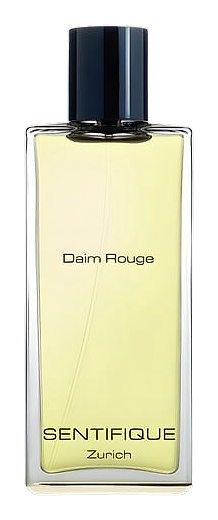
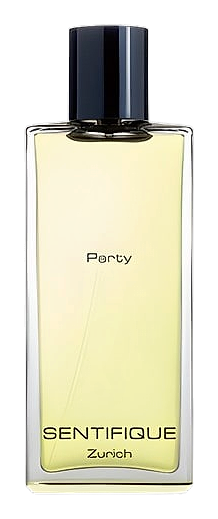
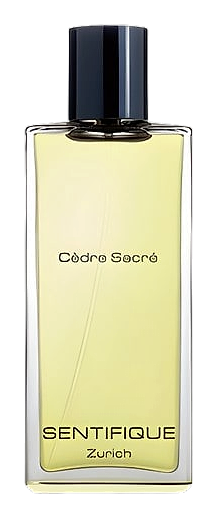
Sentifique emerged in 2012 when Swiss architect Friedemann Ramacher, trained in design and spatial planning, turned his creative attention to fragrance. The founding took place in Zurich, Switzerland, a city known for its concentration of luxury goods craftsmanship and design sensibility. Ramacher brought an outsider's perspective to perfumery, approaching scent composition with the conceptual rigor more typical of architectural practice than fragrance houses operating within traditional perfume industry conventions. The house released multiple fragrances in its debut year, including Testosterone, Dangereuse, Party, and Cedre Sacre, establishing a catalog built on conceptual strength rather than gradual market expansion. In 2014, Sentifique added Daim Rouge to its collection, continuing its pattern of evocative naming and thematic fragrance concepts. The brand's recognition came through ÇaFleureBon, a fragrance publication that included Sentifique among its Zurich Perfumes selections. This accolade positioned the house among Swiss perfumers gaining international attention within the niche fragrance segment. The brand has maintained a focused output, releasing targeted collections rather than pursuing broad commercial distribution. Ramacher continues to lead creative direction from Zurich, applying architectural thinking to the construction of scent narratives. Sentifique operates from the conviction that fragrance names carry conceptual weight beyond mere marketing. The house deliberately chooses provocative titles like Testosterone and Dangereuse, inviting conversation about what a fragrance name communicates and what associations a wearer projects onto a scent. This naming strategy functions as an aesthetic gesture, a conversation starter that draws attention to the conceptual framework surrounding each composition. The brand treats perfume as an intellectual and emotional medium, not primarily a commercial product. Rather than organizing scents into conventional fragrance families or marketing categories, Sentifique invents its own conceptual structures for how its perfumes might be understood and discussed. The approach demands engagement from customers, asking them to think about scent in relation to concept rather than simply following industry-standard descriptors. Each fragrance operates as a proposition, a statement that asks the wearer to consider the relationship between name, expectation, and actual olfactory experience. The brand's philosophy prioritizes the idea preceding the formulation, ensuring that every release carries conceptual coherence from inception through final composition.