The Story
Why it exists.
The beginning
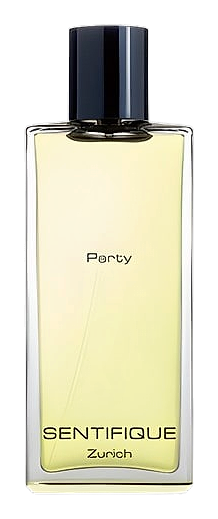
Andreas Wilhelm designed Party, building it around aldehydes in an unexpected role. Conventional perfumery treats aldehydes as transient, a momentary lift before the heart takes over. Here, they persist. They become the spine of the composition rather than its entrance music. The name, 'Party,' functions as a statement: it demands attention. The fragrance refuses to be background noise.
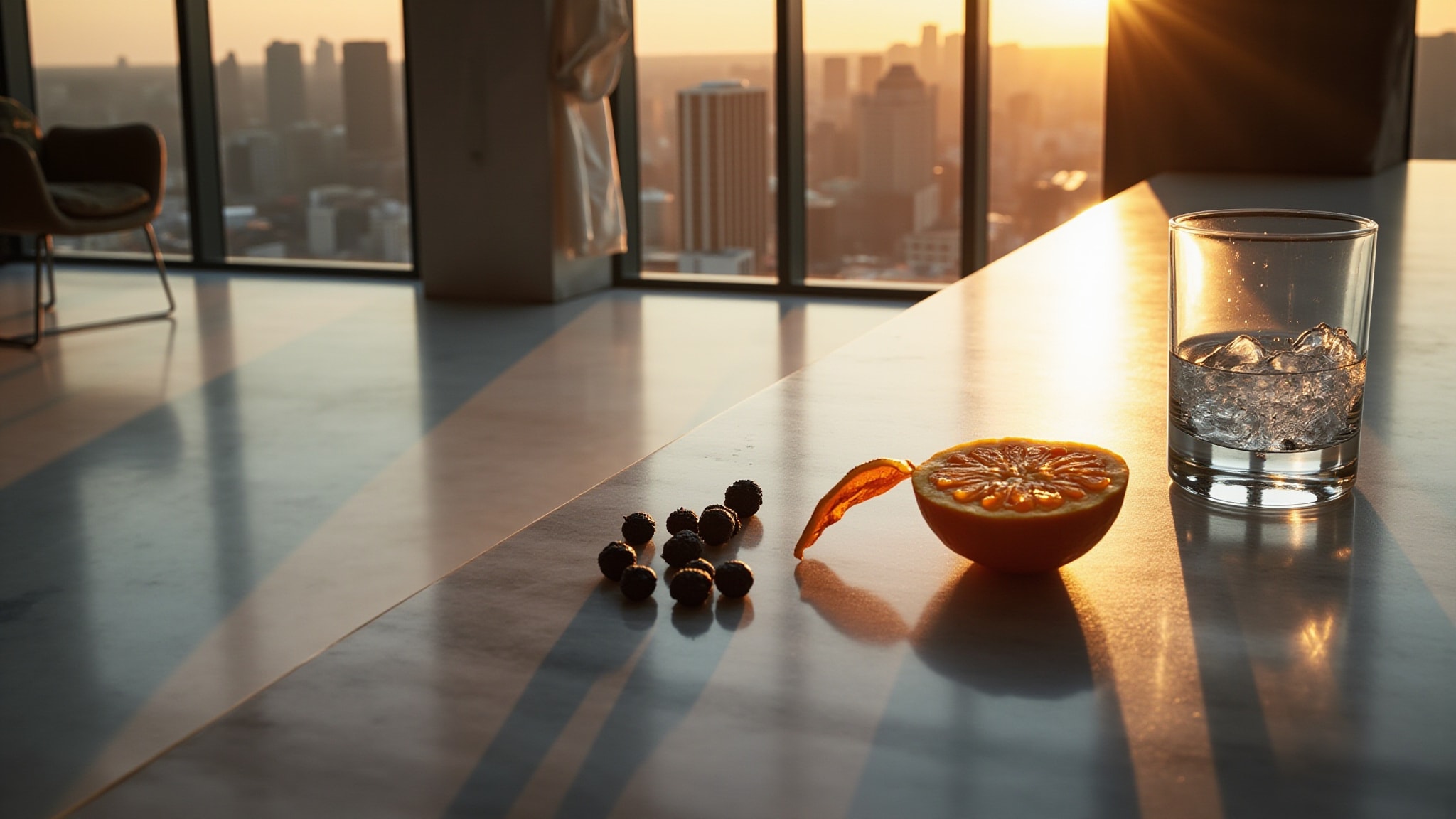
Aldehydes typically serve as a fleeting top note, a champagne bubble that disappears within minutes. In Party, Wilhelm made a structural decision that reads as almost architectural: he kept them. The pimento, with its warm allspice heat, arrives early and stays, but the aldehydes never fully concede. They hold the center through the heart phase, then resurface in the drydown, creating a soapy-clean signature that keeps the fragrance coherent from first spray to final fade. Magnolia adds a soft floral counterweight to the aldehydic sharpness, while mandarin orange zest provides the initial brightness that makes the opening feel welcoming before the spice takes hold.
The evolution
The opening is immediate: aldehydes and mandarin orange zest cutting bright and sharp, almost medicinal in their cleanliness. Magnolia appears within minutes, softening the citrus with something creamy. Then the pimento arrives, faster than expected, pushing into the heart with an aromatic warmth that shifts the entire register from crisp to warm spicy. The aldehydes don't disappear. That's the tell. They linger beneath the pimento, maintaining a soapy-clean thread that keeps the composition from becoming simply a warm spice fragrance. By the drydown, the aldehydes reassert themselves, holding magnolia close to the skin. Pimento settles into a quiet warmth rather than disappearing. The longevity rating sits at 6.9 out of 10, with a sillage rating of 5.8, suggesting a fragrance that stays present without projecting loudly into a room.
Cultural impact
The aldehydic backbone of Party pays homage to the grand perfumery traditions of the 20th century while the modern spice and citrus elements appeal to contemporary tastes. Mandarin orange zest opens bright and sharp, almost medicinal in its cleanliness. Magnolia softens the citrus with something creamy, appearing within minutes of application. Pimento pushes into the heart with aromatic warmth, shifting the register from crisp to warm spicy. The aldehydes linger beneath, maintaining a soapy-clean thread that prevents the composition from becoming simply a warm spice fragrance.